



South Africa’s blood-stained xenophobia: Silence, complicity and the time for Nigeria to respond
By Uche J. Udenka
Nigeria must stop looking away
The recurring attacks on African migrants in South Africa have become one of the greatest moral failures of post-apartheid Africa. Each new episode follows a depressingly familiar pattern: inflammatory anti-immigrant rhetoric, organized protests, looting of foreign-owned businesses, destruction of livelihoods, injuries, and, tragically, the loss of innocent lives. The recent killing of a Nigerian businessman in front of his office has once again sent shockwaves throughout the African continent and reopened an uncomfortable question that many African leaders have avoided asking publicly: How much longer can the South African government claim innocence while xenophobic violence repeatedly unfolds under its watch?
Whether through inability, negligence, or political calculation, the South African state has repeatedly failed to convince the rest of Africa that it has both the determination and the political will to eradicate this recurring menace. Every outbreak is followed by official condemnations, promises of investigations, and appeals for calm. Yet the violence returns with alarming regularity. At some point, repeated failure ceases to be accidental and begins to resemble official tolerance. Even more troubling are reports that leaders of anti-immigrant movements had engagements with President Cyril Ramaphosa before recent demonstrations. While such meetings do not, in themselves, establish government endorsement of subsequent violence, they inevitably raise difficult political questions. When the objectives of protest organizers are publicly known to target foreign African nationals, why were stronger preventive measures not visibly put in place to protect those communities? Why were security agencies not deployed in overwhelming numbers to prevent attacks that many feared were foreseeable?
READ ALSO: Nnenna Oti: When integrity makes all the difference
Governments are judged not merely by their statements after violence erupts but by their actions before violence occurs.
South Africa has every sovereign right to formulate immigration policies, regulate its borders, and enforce its laws against illegal migration. No responsible nation disputes that right. However, there is a profound difference between lawful immigration enforcement and allowing public hostility toward foreign nationals to degenerate into intimidation, mob violence, and murder. No democracy should permit political movements to normalize hatred against an identifiable group of people. When slogans blaming foreigners for unemployment dominate public discourse, violence often follows. History has repeatedly demonstrated that dangerous rhetoric eventually finds expression on the streets. Perhaps the greatest irony lies in the argument repeatedly advanced by anti-immigrant activists — that foreigners are responsible for South Africa’s unemployment crisis. The facts simply do not support such sweeping claims. Foreign nationals constitute only a relatively small proportion of South Africa’s population. They did not create decades of economic inequality. They did not design failed economic policies. They did not institutionalize corruption or mismanage public resources. They did not create rolling power shortages or weaken investor confidence.
No African should become a foreigner in Africa!
Blaming migrants for structural economic failures may be politically convenient, but it is intellectually dishonest and economically indefensible. Foreign entrepreneurs have, in many cases, created jobs, established businesses, paid taxes, and contributed to local economies. Instead of being recognized for their contribution, many now live under constant fear that their shops may be burned, their property looted, or their lives violently cut short simply because they were born elsewhere in Africa.
This tragedy becomes even more painful when viewed through the lens of history.
Nigeria was among the foremost supporters of South Africa’s liberation struggle. Long before apartheid collapsed, Nigeria committed enormous financial, diplomatic, and political resources to the campaign for freedom. Ordinary Nigerians contributed to the Southern Africa Relief Fund. Nigerian governments offered scholarships, funded liberation movements, and consistently championed sanctions against the apartheid regime. Billions of naira were spent in support of a free South Africa, not because Nigeria sought economic advantage, but because it believed that the freedom of one African nation was inseparable from the freedom of all Africans. Many Nigerians therefore find it deeply painful that citizens of the very country their nation helped liberate now live in fear of violence there. This is not merely a diplomatic issue. It is a question of historical memory, gratitude, and continental responsibility.
Nigeria can no longer afford to respond with routine diplomatic protests whenever its citizens are attacked abroad. Strongly worded statements expressing concern have become predictable — and predictably ineffective. A nation that cannot convincingly protect the dignity and security of its citizens risks diminishing its standing in the international community. It is time for Nigeria to fundamentally review its diplomatic and economic relationship with South Africa. The Federal Government should immediately demand credible investigations into every attack on Nigerian citizens, insist upon swift prosecution of perpetrators, and seek appropriate compensation where victims have suffered unlawful harm. Nigeria should also initiate a comprehensive review of bilateral agreements to determine whether the existing relationship continues to reflect mutual respect and reciprocity. The increasing number of Nigerians expressing willingness to be voluntarily repatriated from South Africa should deeply concern both governments. No African should feel compelled to abandon lawful businesses, careers, or investments because their safety can no longer be guaranteed.
Some voices have demanded that Nigeria retaliate by shutting down South African businesses operating within its borders and deporting South African nationals. These calls reflect understandable public anger and frustration. However, Nigeria’s response should remain firmly anchored in the rule of law and its international obligations. Retaliation that violates legal principles would undermine the very values Nigeria seeks to defend. Nevertheless, lawful economic and diplomatic measures remain available. Nigeria has the sovereign right to reassess commercial partnerships, review investment incentives, reconsider bilateral cooperation, and adopt proportionate reciprocal measures if the safety of its citizens continues to be threatened without adequate protection.
Respect among nations must be mutual.
The African Union cannot continue preaching continental integration through the African Continental Free Trade Area while Africans are hunted by fellow Africans because of their nationality. Pan-Africanism cannot survive as a conference slogan while xenophobia becomes an accepted feature of daily life. Economic integration cannot flourish where fear replaces fraternity. South Africa now stands at a historic crossroads. It must decide whether it will confront xenophobia with the same determination that it once confronted apartheid, or whether future generations will remember it as a nation that defeated one system of discrimination only to tolerate another. President Cyril Ramaphosa’s government carries a heavy responsibility. It must demonstrate — not merely declare — that every lawful resident within South Africa, regardless of nationality, enjoys equal protection under the law. Justice must be visible. Criminals must be prosecuted. Victims must be protected. Empty assurances are no longer enough.
Nigeria, for its part, must also rediscover the courage that once made it the undisputed voice of Africa. The defence of Nigerian citizens abroad should never be negotiable. The lives of Nigerians cannot become collateral damage in another nation’s domestic politics. Africa fought together to dismantle apartheid because injustice anywhere on the continent threatened justice everywhere. That same principle must now guide Africa’s response to xenophobia. The blood of innocent Africans should never become the price of political convenience.
Silence in the face of xenophobia is complicity in its consequences.
If South Africa truly believes in the ideals for which Nelson Mandela and countless freedom fighters sacrificed their lives, then it must act decisively to end this shameful cycle of hatred. And if Nigeria truly values the lives and dignity of its citizens, it must replace passive diplomacy with principled, firm, and lawful action. The time for polite expressions of concern has passed. The time for decisive leadership has arrived.
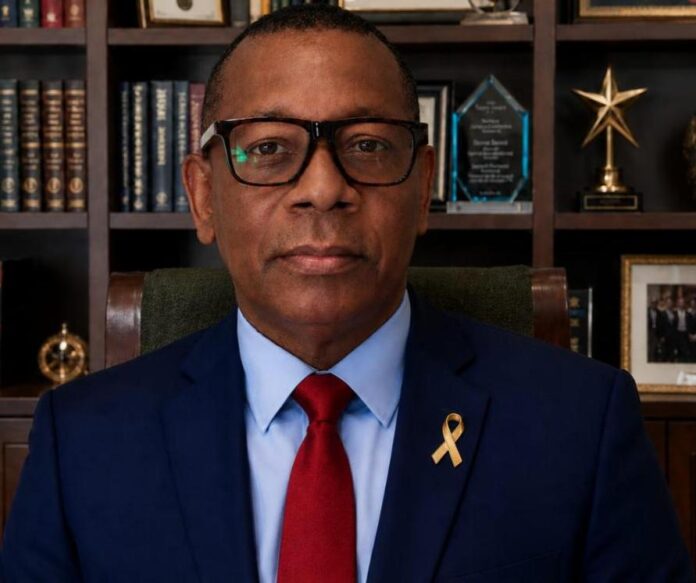
- Arc. Uche J. Udenka, social and political analyst – #AfricaVisionAdvancementTrust – is the C.E.O. Igbo Renaissance Awakening.


