




Life in the diaspora: Tattoos – self-expression in British culture
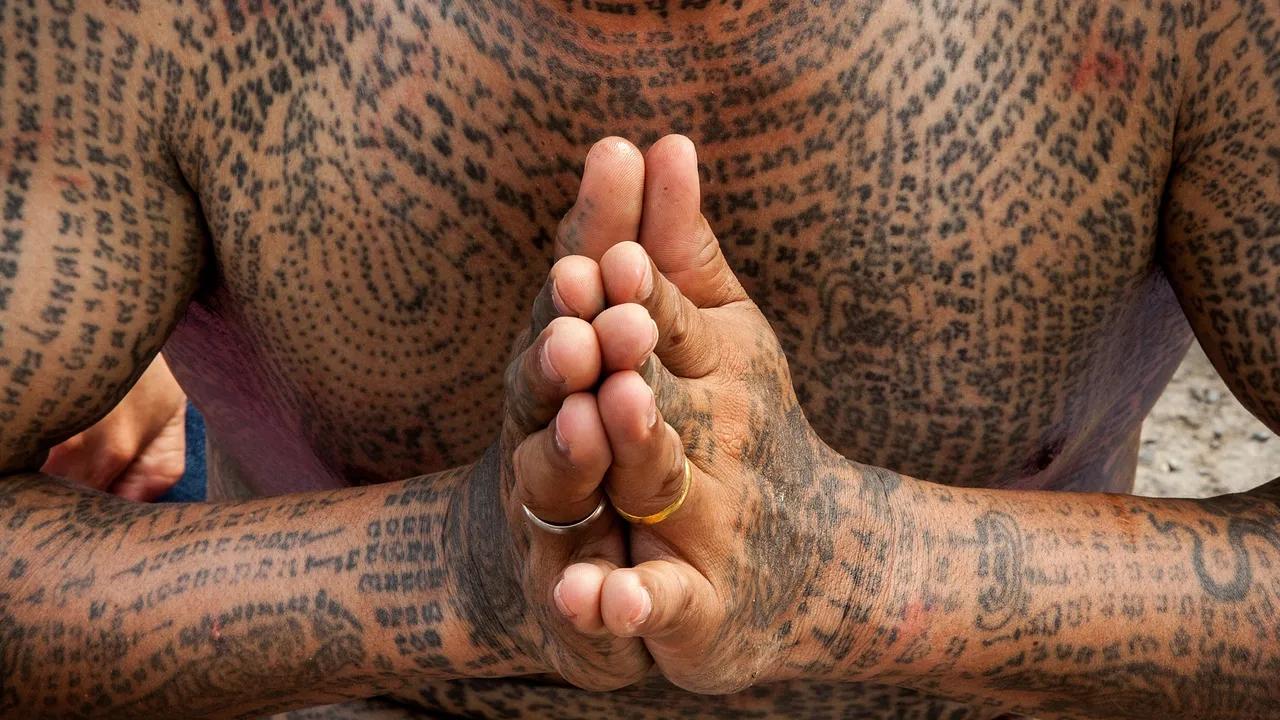
A completely tattooed body
By Mary Opii
Walking through the streets in the United Kingdom, it does not take long to notice something that may feel unfamiliar to many immigrants; tattoos are everywhere. On arms, necks, legs, and sometimes even faces, people proudly display body art as part of their identity or culture.
For many Nigerians just arriving the UK, this can be quite a cultural shock. In traditional settings, tattoos are often associated with specific meanings; tribal marks, spiritual symbols, or, in some cases, negative stereotypes. Visible body markings may be linked to rebellion, stigma, or questionable lifestyle choices. As a result, tattoos are not always widely accepted in professional or social environments back home.
Life in the diaspora: Paying for healthcare before you even arrive
In the UK, however, tattoos carry a very different meaning. They are widely seen as a form of self-expression rather than a sign of deviance. People use tattoos to tell their stories, honour loved ones, express beliefs, or simply embrace art on their bodies.
It is not unusual to see professionals, doctors, teachers, healthcare workers, corporate employees, and bankers wearing visible tattoos without judgement. In many workplaces, tattoos are accepted as long as they are not offensive. This reflects a broader cultural value in the United Kingdom: individuality is respected.
I remember the first time I had a proper conversation with someone who had multiple tattoos on her body. Out of curiosity, I asked her what they meant. Instead of a vague answer, each tattoo came with a story; family, life experiences, personal struggles, and milestones. That totally changed my perception. What I had initially seen as mere body decoration turned out to be deeply personal expressions.
Tattoo studios are also common across UK cities, operating as legitimate and regulated businesses. Hygiene standards are taken seriously, and the artists are often highly skilled professionals. Getting a tattoo is treated as a deliberate and thoughtful decision rather than an impulsive act.
Another surprising aspect is how early exposure shapes perception. Many young people in the UK grow up seeing tattoos as normal. It is not necessarily viewed as rebellion but as a personal choice that comes with adulthood. Parents may not always agree, but the level of acceptance is generally higher compared to the Nigerian society.
For Nigerians in the diaspora, adjusting to this cultural difference can take time. The initial reactions may include surprise, curiosity, or even discomfort. However, living in the United Kingdom often broadens perspectives. Over time, many people learn to separate personal beliefs from societal norms.
This does not mean everyone embraces tattoos. Some Nigerians still choose not to get them due to cultural, religious, or personal convictions. But there is a growing understanding that in the United Kingdom, tattoos are not automatically linked to character or behaviour.
The visibility of tattoos also highlights a deeper cultural theme: freedom of expression. People are encouraged to present themselves in ways that reflect who they are, as long as it does not harm others. This openness can be both refreshing and challenging for immigrants navigating a new social environment.
Living in the UK teaches many immigrants subtle lessons about tolerance and diversity. Tattoos are just one example of how societies can interpret the same practice in completely different ways.
For Nigerians in the diaspora, this cultural shift invites a reflection. It challenges long-held assumptions or beliefs and encourages a broader understanding of identity and self-expression.
And in time, what once seemed unusual may simply become another normal part of everyday life in the diaspora, just another reminder that culture is not fixed, but constantly evolving.


