
Centuries old, yet still standing – what the UK’s historic buildings teach us: Across the UK, historic buildings form part of everyday life. People do not simply admire them from a distance; they live in them, work in them, study in them, and worship in them. History is not confined to museums. It exists on ordinary streets where people go about their daily lives.
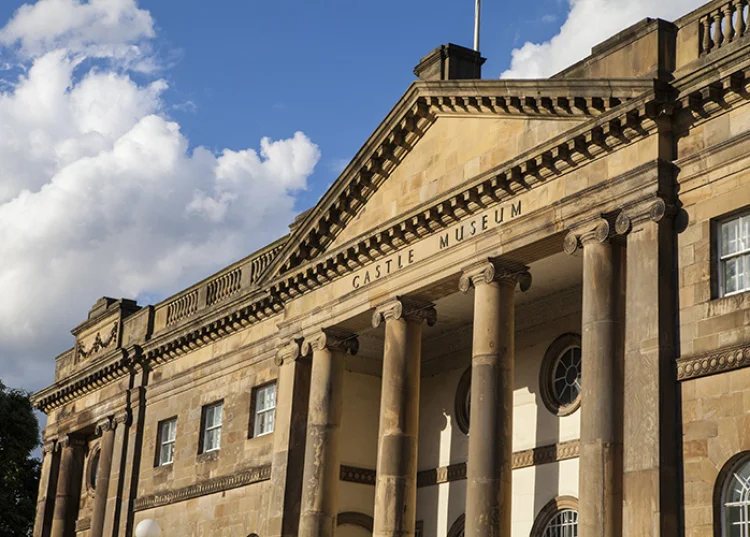
Situated in the shadow of Clifford’s Tower, York Castle Museum is home to a wealth of exhibits surrounding the rich history of York and wider Great Britain, where historical sights from Georgian gowns to Dick Turpin’s prison cell may be found. Though opened as a museum in 1938, the site on which it stands holds an important place in York’s history because it is originally part of the York Castle complex built upon by William the Conqueror in 1068. Image Credit: Shutterstock
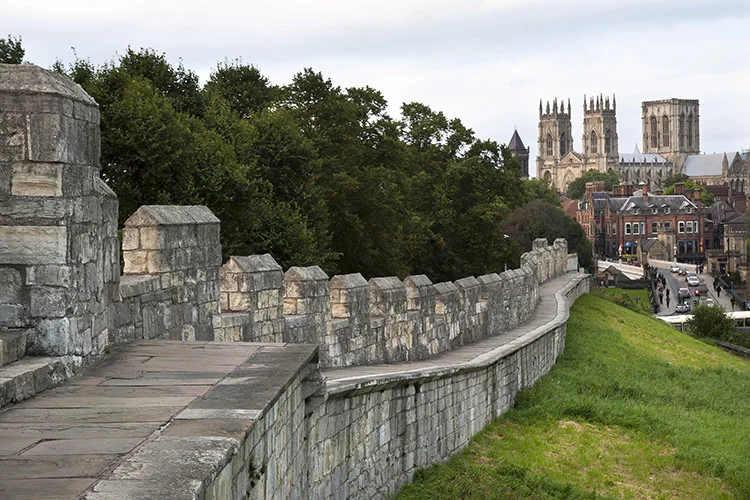
The York City Walls, England’s most complete set of city walls, an integral part of York’s history, were originally established in 71 AD during Roman times. Image Credit: Shutterstock
By Mary Opii
One of the things that never ceases to amaze many of us Nigerians living in the United Kingdom is the number of old buildings that are still standing and serving their original purpose. It is not unusual to walk past a church, a house, a school, or a public building that is hundreds of years old and still in regular use.
For someone coming from Nigeria, this can be quite remarkable.
In many parts of Nigeria, buildings are often demolished and replaced as communities expand or as structures deteriorate. Modern developments frequently take the place of older ones, and only a handful of historical buildings are preserved. In the UK, however, age is often seen as something to be protected rather than erased.
I remember walking through parts of York for the first time and reading plaques on buildings that revealed they had stood for centuries. Some were built long before Nigeria became an independent nation. Others had survived wars, economic changes, and countless generations, yet they continued to function as homes, businesses, places of worship, and public institutions.
It was both fascinating and humbling.
As I explored more towns and cities, I realised that this was not unique to York. Across the UK, historic buildings form part of everyday life. People do not simply admire them from a distance; they live in them, work in them, study in them, and worship in them. History is not confined to museums. It exists on ordinary streets where people go about their daily lives.
This preservation is not accidental. The UK places significant value on protecting its architectural and cultural heritage. Many historic buildings are legally protected, meaning owners cannot simply alter or demolish them without permission. While this may involve additional responsibilities and costs, it ensures that important parts of the nation’s history are preserved for future generations.
These buildings also contribute to the character of British towns and cities. Walking through areas lined with centuries-old stone buildings creates a sense of continuity between the past and the present. It reminds residents and visitors alike that history is something to be lived with, not forgotten.
Of course, preserving old buildings does not mean resisting progress. Many have been carefully modernised on the inside while retaining their historic appearance on the outside. Modern heating, lighting, internet connectivity, and safety features are discreetly incorporated without destroying the building’s original character. For instance, the York St John University blends the original 1841 Victorian Gothic Quad building with eco-friendly modern architecture. It is an impressive balance between preservation and innovation.
For many Nigerians in the diaspora, this approach offers an important lesson. It demonstrates that development does not always require starting from scratch. Sometimes, preserving what already exists can be just as valuable as building something new.
Historic buildings also play a significant role in tourism. Every year, millions of people visit the United Kingdom, especially historic cities like York; to experience its castles, cathedrals, universities, bridges, and ancient streets. These landmarks not only preserve history but also contribute to the country’s economy by attracting visitors from around the world.
Living in the UK has made me appreciate the importance of preserving heritage. Every old building tells a story. It speaks of the people who built it, those who lived within its walls, and the generations who cared enough to ensure it remained standing.
As Nigerians, we also have a rich history and remarkable cultural heritage. Seeing how the UK values and protects its historic buildings encourages us to reflect on the importance of preserving our own historical sites, monuments, and architectural treasures for future generations.
Life in the diaspora is often about learning from another society while deepening our appreciation of our own. The enduring buildings of the United Kingdom remind us that history is not merely something we read about in books. It is something we can preserve, respect, and pass on.
And every time you walk past a building that has stood for two or three hundred years, you are reminded that good craftsmanship, careful maintenance, and a commitment to preservation can allow the past to continue serving the present.