Life in the diaspora: Body piercing – between culture, identity and acceptance
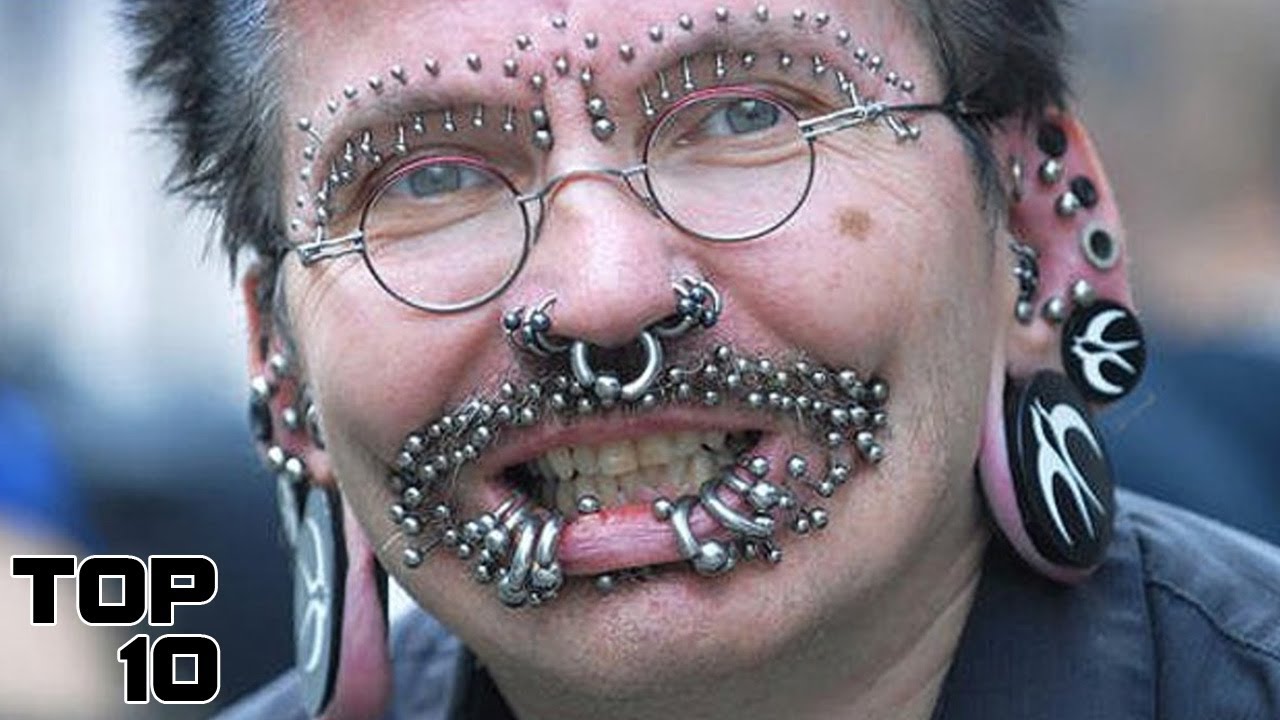
One of the world’s top ten insane body piercings
By Mary Opii
Body piercing is another aspect of life in the United Kingdom that often catches the attention of Nigerians newly settling into the country. Beyond the familiar ear piercing common in many Nigerian cultures, the UK presents a much wider landscape; nose rings, lip piercings, eyebrow studs, and even more unconventional placements.
For many Nigerians, especially those raised in traditional or conservative environments, this can feel very unusual at first. Ear piercing for women is widely accepted back home, often done in childhood, sometimes as part of cultural or family traditions. However, beyond that, additional piercings may be viewed with caution or even disapproval, particularly in professional or religious settings.
In the United Kingdom, the meaning and perception of body piercing are quite different. Like tattoos, piercings are largely seen as a form of personal expression. People choose them for style, identity, or simply preference. It is not uncommon to see individuals in workplaces, schools, and public places wearing visible piercings without attracting judgement.
READ ALSO: Life in the diaspora: Tattoos – self-expression in British culture
What stands out is the level of normalisation. A young professional with a nose ring or multiple ear piercings may be treated no differently from someone without any. The focus tends to remain on competence and behaviour rather than appearance.
I remember the first time I noticed how common this had become. I was speaking with someone in a professional setting, and it took me a moment to realise they had multiple piercings. What struck me was not the piercings themselves, but how completely irrelevant they seemed to the interaction. The conversation flowed naturally, and no one paid attention to it. That moment quietly challenged my own assumptions.
Another notable difference is the structure around how piercings are done. In the UK, piercing studios operate under strict hygiene and safety regulations. Equipment is sterilised, procedures are explained, and aftercare guidance is provided. This makes the process safer and more professional compared to informal methods that may be used elsewhere.
For many Nigerians, the idea of additional piercings, especially for men, can still feel culturally distant. In some communities, it may even be associated with rebellion or nonconformity. However, living in the UK exposes people to a broader understanding of personal choices.
You begin to see that what is considered “normal” is often shaped by environment. In one culture, a nose ring may raise eyebrows; in another, it may go completely unnoticed.
That said, not everyone embraces this shift. Many Nigerians in the diaspora choose to maintain their cultural and personal values, opting for minimal or no piercings. For some, it is a matter of identity; for others, it is influenced by faith or upbringing. And that choice is equally respected.
What becomes clear over time is that the UK provides space for both perspectives. You can choose to adopt certain aspects of the culture or retain your own, without significant pressure either way.
There is also an underlying lesson in this cultural difference, learning not to judge too quickly. Exposure to diversity often teaches tolerance in subtle ways. What once seemed strange begins to feel normal, or at least understandable.
Living in the diaspora is not just about adapting to new systems; it is also about encountering new expressions of identity. Body piercing is one of those expressions that highlights how differently societies can define appearance and acceptability.
For Nigerians navigating life in the UK, it becomes another opportunity to reflect, adapt, and sometimes reconsider long-held views.
And in the end, whether one chooses to embrace it or not, body piercing becomes just another part of the diverse cultural landscape that shapes everyday life in the diaspora.