



When lawmaking becomes ritual of ignorance
By Okechukwu Nwanguma
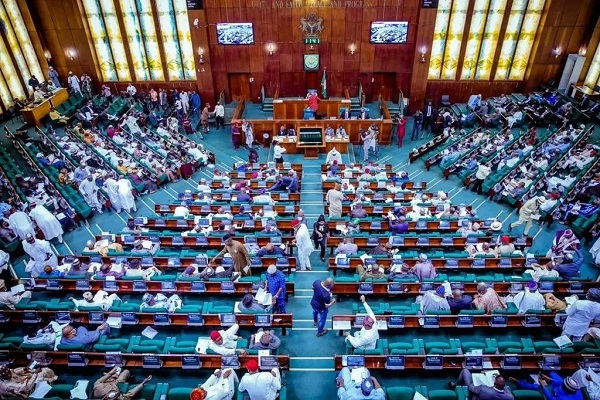
I watched, with a mix of shock and shame, a video from the floor of Nigeria’s House of Representatives. A female legislator representing Oyi/Ayamelum Federal Constituency in Anambra State was called upon by the Speaker to second a motion. She rose, dutifully complied, and seconded the motion. Then came the moment that should trouble every Nigerian: when asked what motion she had just seconded, she admitted she did not know.
She did not know.
This is not a trivial gaffe. It is not a harmless procedural slip. It is a window into a deeper crisis—one that goes to the heart of legislative responsibility, democratic accountability, and the integrity of governance in Nigeria.
Seconding a motion is not a ceremonial gesture. It is an affirmation. It means a legislator has listened, understood, and agrees that the matter deserves the attention of the House. It is an act that carries responsibility. To second a motion blindly, on cue, is to reduce lawmaking to empty theatre.
What we witnessed was not just an individual failure; it was an institutional embarrassment.
How did we get here?
First, it reflects a troubling culture within the legislature where procedure is often performed as ritual rather than substance. Motions are moved and seconded in rapid succession, sometimes with little deliberation, as if the goal is to get through the order paper rather than to engage meaningfully with issues affecting citizens.
Second, it exposes the consequences of a deeply flawed candidate selection process. Political parties, in many cases, do not prioritize competence, capacity, or commitment to public service. Instead, they reward loyalty, financial muscle, and political connections. The result is a legislature that sometimes lacks the depth and independence required for serious lawmaking.
Third, it highlights the overbearing influence of leadership within legislative chambers. When members act simply because they are prompted by the Speaker or party hierarchy—without question or comprehension—it signals a dangerous erosion of independence. A legislature that cannot think for itself cannot check the excesses of the executive or represent the will of the people.
Finally, it reflects a broader failure of accountability. Too often, citizens are disconnected from the performance of those elected to represent them. Elections come and go, but scrutiny is weak, recall mechanisms are ineffective, and political consequences for incompetence are rare.
But this moment, as embarrassing as it is, should not simply provoke outrage. It should provoke reflection—and action.
Nigerians must begin to demand more from those who seek to represent them. Civil society, the media, and citizens alike must pay closer attention to legislative conduct—not just during high-profile debates, but in the everyday business of lawmaking.
Political parties must be pressured to reform their primaries and put forward candidates who possess not just ambition, but ability.
Above all, those elected into public office must understand that representation is not a privilege to be performed casually. It is a duty that demands preparation, awareness, and integrity.
When a legislator stands on the floor of parliament, they stand in trust for thousands—sometimes millions—of citizens. To act in ignorance is to betray that trust.
Nigeria deserves a legislature that thinks, debates, and acts with purpose—not one that merely goes through the motions.
Nwanguma, the executive director of RULAAC, writes from Lagos.


