



When law enforcement becomes lawless – A cry from Ihitteaforukwu
By Okechukwu Nwanguma
In any society governed by the rule of law, the power to arrest, detain, and use force is one that must be exercised with restraint, accountability, and respect for human dignity. When those entrusted with such powers begin to operate outside the law, the consequences are not only tragic – they are corrosive to the very foundation of justice.
The unfolding events in Ihitteaforukwu, Ahiazu Mbaise Local Government Area of Imo State, present yet another disturbing example of how unchecked security operations and unregulated local power structures can converge into a system of fear, impunity, and abuse.
On April 13, 2026, what began as a village gathering in Umuonyehiele turned into a scene of chaos and bloodshed. Armed operatives reportedly from the notorious Tiger Base unit in Owerri stormed the community. Gunshots pierced the air. In the aftermath, two men – Uchechukwu Maduakolam and Kenneth Anyanwu – were taken away. Both sustained gunshot wounds. One of them, by multiple accounts, was not even the intended target.
Since then, the situation has spiraled into a deeply troubling narrative marked by allegations of extrajudicial violence, enforced disappearance, and possible collusion between security operatives and local actors wielding informal power.
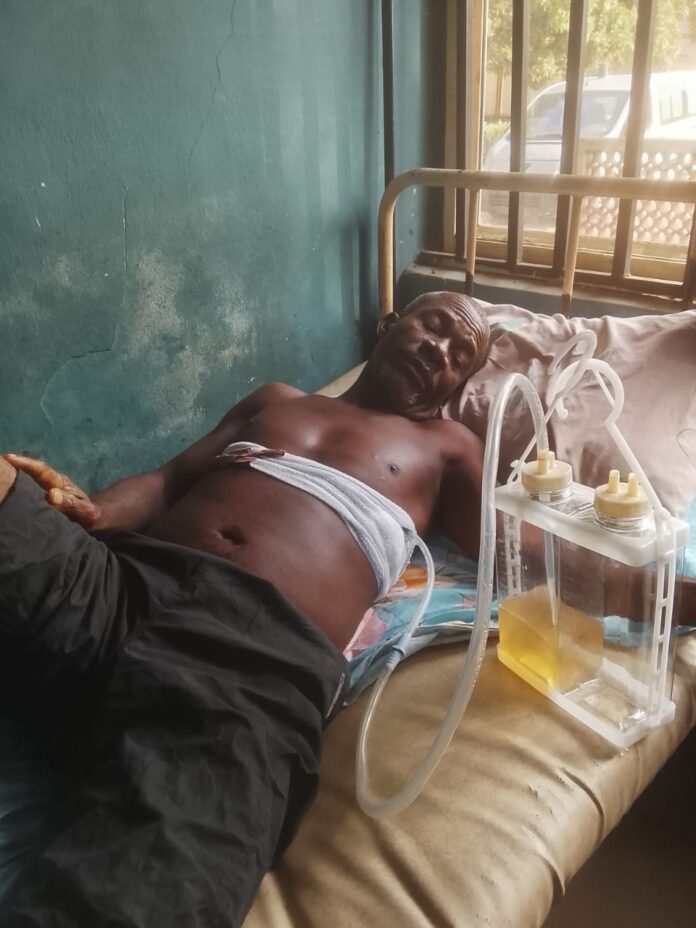
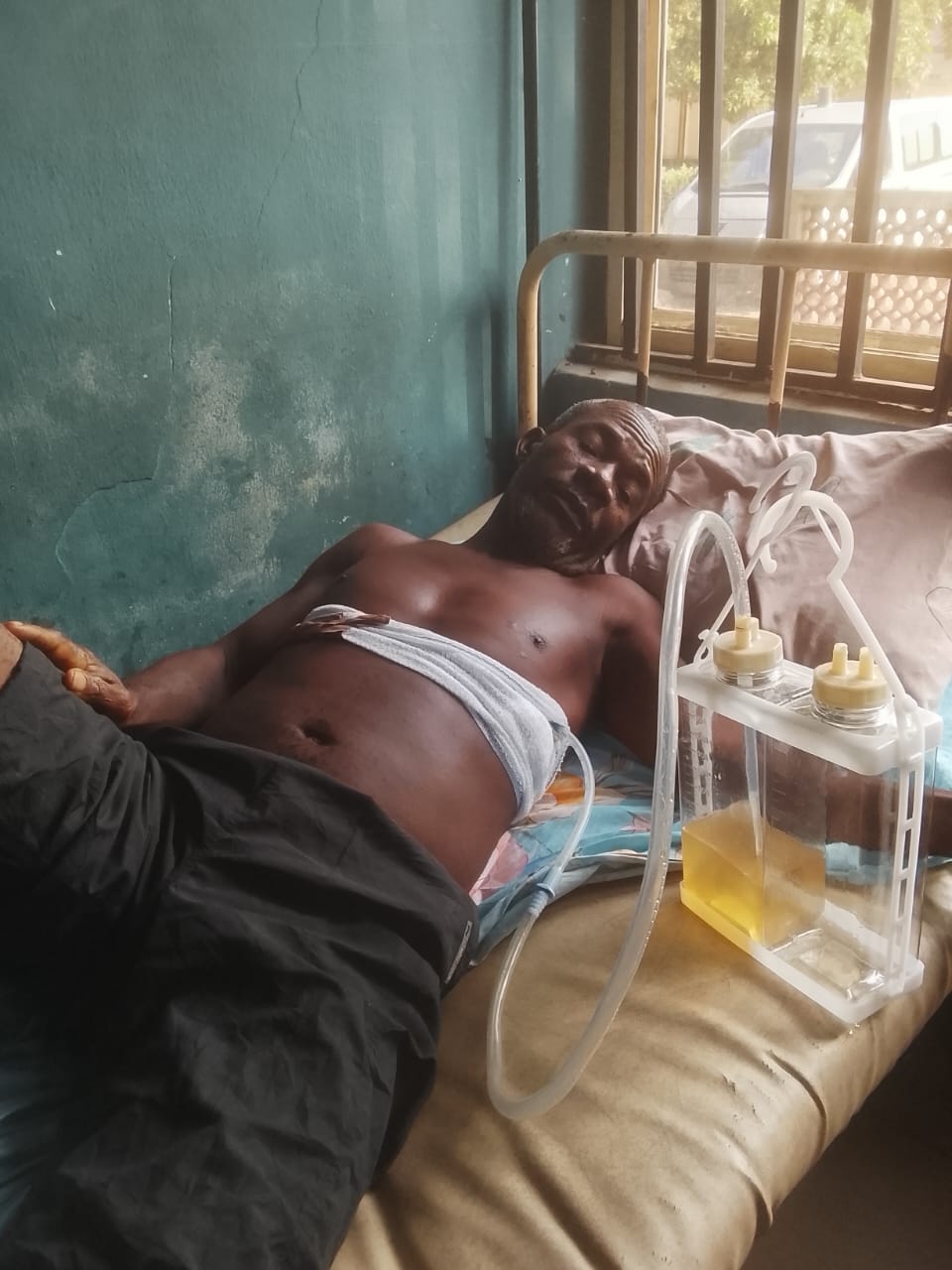
Kenneth Anyanwu lies critically ill, reportedly with severe internal injuries affecting his lungs and liver. Accounts suggest he has been left without adequate medical care, detained in a police facility where access is restricted and oversight minimal. His family, struggling to raise funds for life-saving treatment, faces an agonizing race against time.
Even more alarming is the uncertainty surrounding the whereabouts of Uchechukwu Maduakolam. Credible reports suggest he may have died from untreated gunshot wounds. If confirmed, this would amount to an extrajudicial killing – yet another addition to Nigeria’s grim ledger of lives lost in custody without due process.
The official police narrative, as is often the case, tells a different story – one of a gun battle with suspected terrorists. But this account is sharply contested by community members who insist there was no such exchange, only the use of disproportionate force against unarmed civilians. This pattern – where victims are posthumously labeled as criminals to justify excessive force – has become disturbingly familiar.
Compounding these allegations are claims of the involvement of a local vigilante group known as the “Royal Guards,” reportedly linked to the traditional ruler, Eze Okwudiri Nwandu. Community sources describe this group not as a legitimate security outfit, but as an instrument of intimidation against perceived political opponents. Allegations that such actors may collaborate with formal security units to target individuals raise profound questions about the privatization of coercive power and the erosion of institutional accountability.
If vigilante groups become extensions of personal or political authority, and if security agencies act on lists provided by local power brokers, then the line between law enforcement and persecution disappears entirely.
This is not merely a local crisis – it is a national warning.
Nigeria has seen this pattern before. From the abuses that led to the #EndSARS protests to ongoing reports of misconduct by tactical units, the cycle remains painfully consistent: unlawful arrests, torture, extortion, extrajudicial killings, followed by denial, deflection, or superficial inquiries.
The implications are far-reaching. When citizens begin to fear those meant to protect them, trust in the state collapses. When justice becomes selective or transactional, the legitimacy of governance itself is undermined. And when impunity thrives, it invites further abuse.
What must be done is clear.
First, there must be an immediate, independent, and transparent investigation into the events in Ihitteaforukwu. This includes establishing the circumstances of the arrest, the use of firearms, the current condition and custody status of Kenneth Anyanwu, and the whereabouts of Uchechukwu Maduakolam.
Second, Kenneth Anyanwu must be urgently transferred to a properly equipped medical facility and granted full access to independent medical care. His right to life and health cannot be subordinated to bureaucratic inertia or institutional self-protection.
Third, any officers found responsible for unlawful use of force, extortion, or obstruction of justice must be held accountable – publicly and decisively.
Fourth, the activities of the so-called “Royal Guards” must be investigated, and if found to be operating outside the law, they must be immediately disbanded. Vigilante groups cannot be allowed to function as private militias under the guise of community security.
Finally, this moment must serve as a catalyst for broader reform. The continued existence of units like Tiger Base, operating with a reputation for brutality, underscores the urgent need for structural changes in policing – anchored in accountability, transparency, and respect for human rights.
The people of Ihitteaforukwu are not asking for special treatment. They are asking for what every citizen is entitled to: justice, safety, and dignity.
If the state cannot guarantee these, then it must confront a hard truth: the greatest threat to security may not be the criminals it pursues, but the impunity it permits.
And that is a danger Nigeria can no longer afford to ignore.
Nwanguma, the executive director of RULAAC, writes from Lagos


