
Security Policies: 1999 Constitution fundamentally flawed, undermined true federalism, impedes governance – Adesina
By Onyewuchi Ojinnaka
A Senior Advocate of Nigeria and former General Secretary of the Nigeria Bar Association (NBA), Pastor Dele Adesina has described Nigeria’s 1999 Constitution as fundamentally flawed, saying that it undermined true federalism and impeding governance.
This was Adesina’s position while speaking at the Gavel International event held in Lagos on 11th of November.
Adesina faulted Sections 214 and 215 which placed policing under federal authority while restricting governors’ control over law enforcement.
“Can anyone mention one federal country that operates a single, centralised police force? he asked. None and until we address these fundamental issues, we will continue to mark time,” Adesina said. He noted the systemic behavioural contradictions among Nigerians which signal deficiencies beyond constitutional provisions.
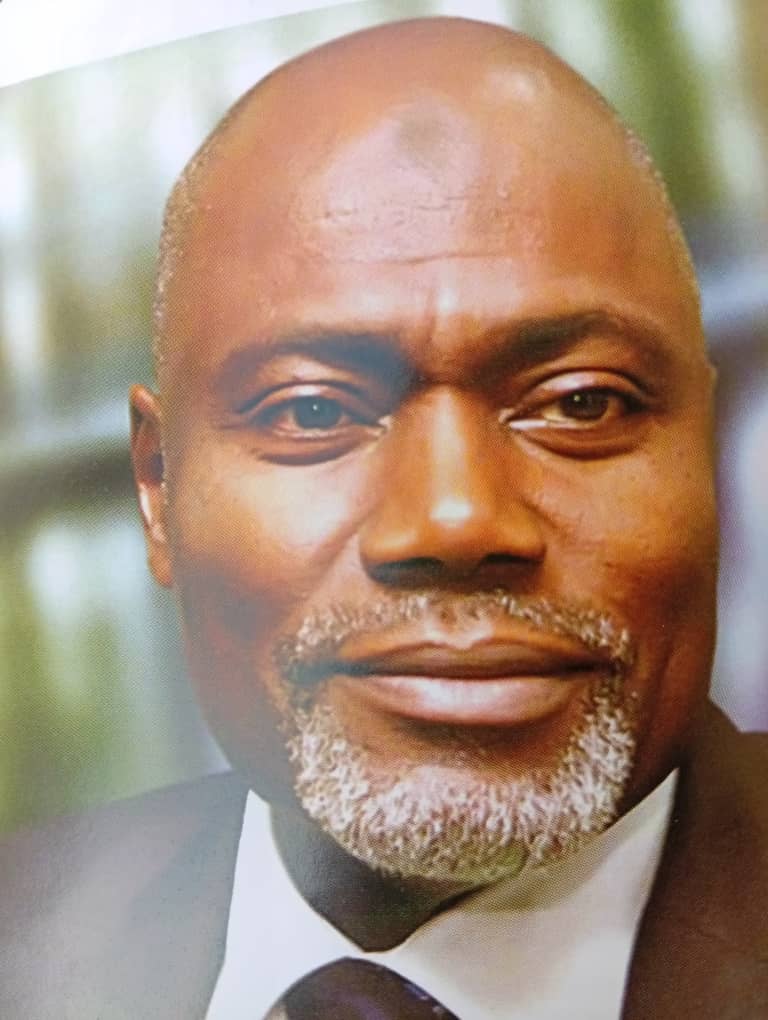
In his keynote address, the speaker, Prof
Yusuf Olaolu Ali (SAN) said the nation’s counter-terrorism and law enforcement policies have increasingly deviated from constitutional safeguards, resulting in widespread human rights violations.
Delivering his address on the theme titled “The Impact of National Security Policies on Vulnerable Populations: A Human Rights Perspective” at the Gavel International Annual Lecture and Awards 2025, Prof Ali alerted that Nigeria’s current security strategies, rather than safeguarding citizens, are creating new victims among the country’s most vulnerable populations.
“The reality is that many of our security measures have turned citizens into victims. We have created a system where the people we are supposed to protect are being displaced, detained, or deprived of dignity under the guise of national security,” Ali said.
He noted that the poor, women, children, and internally displaced persons (IDPs) have suffered disproportionately from operations that target terrorism, banditry, and separatist agitation.
Ali stressed that national security must be pursued without compromising human dignity.
“Security must be holistic, encompassing safety, justice, and welfare. Where the State fails to uphold the rule of law or meet the basic needs of its people, insecurity will persist regardless of the number of troops deployed,” he stressed..
He cited the humanitarian crises across the North-East and Middle Belt, highlighted the plight of millions of displaced Nigerians living in dire conditions who are exposed to hunger, disease and abuses.
He condemned the lack of accountability in security operations, which breeds impunity among security agencies and erodes public trust.
Besides, he also criticised provisions of the Terrorism (Prevention and Prohibition) Act 2022, particularly those allowing prolonged detention without trial.
“Laws designed to fight terrorism should not themselves become tools of terror. We cannot detain people indefinitely or silence dissent in the name of protecting the state.”
Ali advocated for human rights training for military, police, and intelligence officers, alongside independent oversight mechanisms and stronger legislative checks on executive power. He called for inclusive policymaking, engaging communities most affected by insecurity to foster trust and sustainable peace.
One of the discussants, Major General Dr. James Ataguba (Retd) attributed corruption and the absence of an effective punishment and reward system as key to Nigeria’s insecurity.
He criticised the widespread deployment of the military for civilian policing, saying, “The military is not meant to be embedded among civilians, that’s the job of the police. When soldiers act outside their mandate, they create more problems than they solve.”
Ataguba, who was former Chief of Standards and Evaluation, Nigerian Army, linked insecurity to poverty, hunger and unemployment, warning that even if Boko Haram is defeated, new insurgencies will emerge unless structural issues are addressed. He replicated the saying that ‘a hungry man is an angry man’
He stressed the importance of consistent law enforcement and functional institutions, citing unlicensed commercial motorcyclists and tricycles as contributors to insecurity.
“Justice must not take 10 years. If people know they can go to jail within six months of robbing the state, they will think twice before doing it,” he said. He
called for judicial reform alongside security sector reform to ensure deterrence and accountability.
In his welcome address, Gavel International Publisher Mustapha Adekunle Ogunsakin viewed Nigeria’s insecurity as both a national and international concern.
He disagreed with the narratives framing violence in Nigeria as religious genocide, emphasising that conflict affects all communities indiscriminately.
“Violence is rooted in poor governance and economic crises, not religion,” Ogunsakin said.
He urged the political class to rise above partisanship and support security reforms. He also lauded Nigerians who are contributing to justice, human rights, and governance reforms, including former Vice President Prof. Yemi Osinbajo, Chief Wole Olanipekun, and Mr. Gbenga Oyebode.