



Rights groups alarmed by report child hunger deaths 23 times higher in a state in Nigeria than in war ravaged Gaza
By Jeph Ajobaju, Chief Copy Editor
*************************************
“We can’t farm for fear of bandits, markets are unsafe, and attacks happen even in broad daylight”
– Rabi Salisu, 45, displaced mother from Safana Council.
“This is not only happening in Katsina. We are seeing similar crises in Kebbi, Sokoto, and Zamfara, where children are dying of hunger and even nursing mothers lack enough food”
– Isah Sanusi, Amnesty International Nigeria Director.
“The 652 deaths are only children – adults are not even counted. Ninety per cent of households have reduced food intake, some from three meals a day to two, or even one, due to federal policies”
– Bulama Bukarti, human rights activist at Tony Blair Institute for Global Change in the UK.
*************************************
Amnesty International and other human rights groups have expressed concern over the report by Médecins Sans Frontières (MSF) that 652 infants and young children died from hunger-related illnesses in Katsina, the home state of former President Muhammadu Buhari, in the first six months of 2025.
The number of children who died in Katsina that is not officially at war surpassed that of Israeli-bombarding Gaza where a UNICEF report said the number of hunger deaths among children rose from 52 to 80 (amounted to 28) in the first half of the year.
The death toll in Katsina, under the watch of Buhari’s successor Bola Tinubu, is more than 23 times higher.
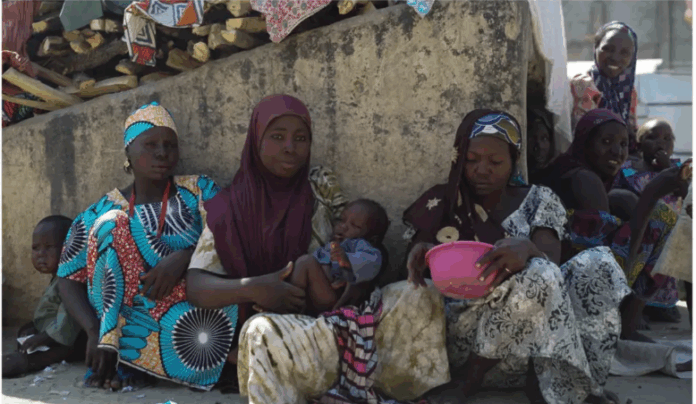
Rabi Salisu, 45, a displaced mother from Safana Council, confirmed that many children have died in their struggle to survive.
“We can’t farm for fear of bandits, markets are unsafe, and attacks happen even in broad daylight,” she lamented.
Amnesty International Nigeria Director Isah Sanusi urged Northern Governors – particularly that of Katsina, Dikko Radda – to declare a state of emergency on child malnutrition and food scarcity.
“This is not only happening in Katsina,” Sanusi told DAILY POST.
“We are seeing similar crises in Kebbi, Sokoto, and Zamfara, where children are dying of hunger and even nursing mothers lack enough food.”
He criticised the Katsina Government for treating the crisis with levity.
Human rights lawyer and security analyst, Bulama Bukarti, of Tony Blair Institute for Global Change based in the United Kingdom, described the MSF report as alarming.
“The 652 deaths are only children – adults are not even counted. Ninety per cent of households have reduced food intake, some from three meals a day to two, or even one, due to federal policies,” he said.
Bukarti blamed terrorist violence for worsening food shortages.
Katsina Primary Healthcare Development Agency Executive Secretary, Shamsuddeen Yahaya, reiterated that the report highlights the extent of the crisis.
“Following last year’s survey, 25 Outpatient Therapeutic Points were set up in five high-burden LGAs [Local Government Areas] to provide nutritional supplements and treatment for children,” he explained.
Umar Bello, Katsina Coordinator for the Accelerating Nutrition Results in Nigeria (ANRiN) Project, said the focus is shifting from reactive to preventive strategies.
“ANRiN 1.0 reached three million beneficiaries with micronutrients and counselling, while ANRiN 2.0 will work with state ministries to tackle food insecurity at its roots,” he assured.
Read also:


 that 652 infants and young children died from ....)