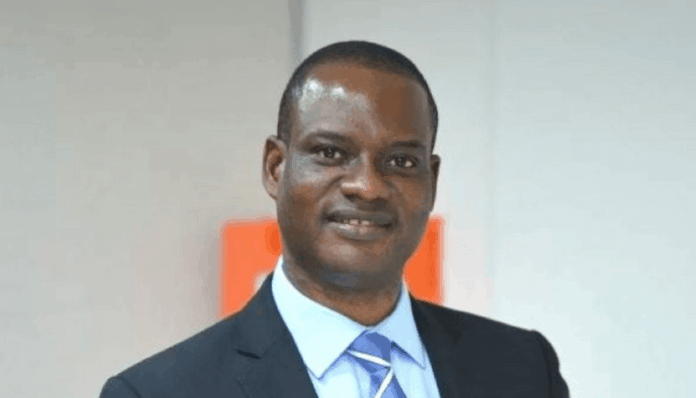
Oyedele acknowledges flaws in new tax laws, promises quick fix
Minister of State for Finance, Taiwo Oyedele, has admitted that Nigeria’s newly rolled-out tax reform laws contain mistakes, but assured that corrective measures are already in motion to resolve the issues.
Oyedele spoke during a fireside chat at the 2026 annual conference of the Nigerian Bar Association (NBA) Section on Legal Practice, where discussions centered on the theme, “From Policy to Practice: Making Sense of Nigeria’s New Tax Reforms.” The session aimed to shed light on concerns surrounding the country’s changing tax system.
His comments come against the backdrop of growing controversy over inconsistencies in the legislation. Earlier, on December 17, 2025, Abdussamad Dasuki, a member of the House of Representatives, alleged that the copies of the tax laws in public circulation were not identical to those approved by the National Assembly.
Following the allegation, the House of Representatives constituted a seven-member committee to probe the discrepancies and determine the source of the variations.
Addressing the concerns, Oyedele admitted that lapses occurred during the legislative process. According to a statement by the fiscal reforms committee, the minister acknowledged “that errors occurred due to manual processes and multiple stages of review” involved in drafting and finalising the laws.

He, however, reassured stakeholders that corrective measures are already in motion through a proposed finance bill.
“What we need is a more transparent and reliable legislative process where every version of a law is publicly available,” Oyedele said.
The minister also sought to allay fears about the implementation of the reforms, noting that enforcement would not be arbitrary. He explained that the new tax regime is grounded in “clear policy intent, transparency, and fairness.”
Oyedele emphasised that understanding the underlying objectives of tax policies is crucial, urging stakeholders to look beyond the text of the laws to their broader purpose.
Highlighting past challenges, he pointed to inconsistencies in Nigeria’s tax system, particularly the imbalance between personal and corporate taxation, which he said discouraged business formalisation.
He added that the reforms are designed to promote consistency, reduce discretion in tax administration, and encourage businesses to formalise operations.
Reflecting on investor confidence, Oyedele warned against policy unpredictability, noting, “If policies can change overnight, it sends the wrong signal to investors. Consistency is critical.”