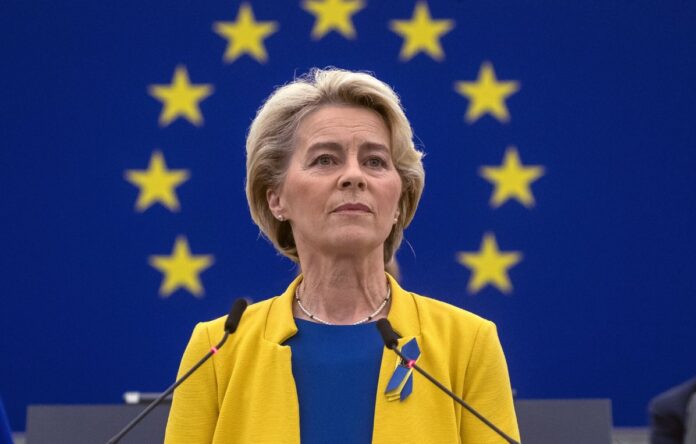
EU, which is one of Nigeria’s longest-running election observers, has been monitoring the West African country’s general elections since 2003.
By Kehinde Okeowo
The European Union (EU) has refuted claims that it will not observe Nigeria’s 2027 general elections, insisting that the reports are false.
This was disclosed on Monday in a statement issued by the EU Ambassador to Nigeria and ECOWAS, Gautier Mignot.
Earlier reports had indicated that the European body had turned down an invitation from the Independent National Electoral Commission (INEC) to monitor the elections.
They also attributed the decision to boycott the poll to worsening insecurity and alleged unfriendly treatment during its 2023 election observation mission.
The reports were later referenced by the Peoples Democratic Party (PDP), which described the alleged withdrawal as “historic” and a sign of “a vote of no confidence by strategic stakeholders in election management under this APC-led administration.”
While clarifying the position of the bloc, Mignot said the EU had actually accepted INEC’s invitation and would send a smaller Electoral Expert Mission (EEM) to Nigeria.
“The EU Delegation confirms that it received a formal invitation (not a request) from the INEC, dated 17 April 2026, to deploy observers for the 2027 General Elections,” he said.
ALSO READ: Gov. Adeleke tackles Oyetola after claiming he’ll lose Osun guber poll despite Tinubu’s endorsement
He noted that the EU responded to INEC on 28 July 2026, thanking the commission for the invitation and informing it that the bloc would send an EEM made up of two to four independent experts.
He went on to highlight that the reasons reportedly given for the EU’s decision, including insecurity and alleged hostile treatment, were not contained in the regional body’s letter to Nigeria’s electoral umpire.
“The EU Delegation further underlines that the two alleged reasons mentioned in the press reports do not appear in the letter: these are pure speculation,” Mignot added.
He also explained that the EU reviews electoral missions to countries each year based on individual circumstances and available resources.
“It is on this basis that the decision to conduct an EEM in Nigeria has been taken, and will be further consulted with the relevant Nigerian authorities for its implementation,” he added.
Mignot assured that the mission would submit a final report containing recommendations on how Nigeria could improve its electoral system and future elections.
He urged the public and the media to avoid relying on unconfirmed reports regarding the EU’s positions or decisions.