Dangote Refinery insists its fuel distribution gambit will create jobs, reduce inflation, cut out decades-old logistics problems
By Jeph Ajobaju, Chief Copy Editor
**************************
“Dangote is taking on the burden of transportation, storage, and bridging costs that should have been streamlined long ago. This is in response to the resistance from vested interests who have tried to frustrate fair and efficient distribution” – Kelvin Emmanuel, energy expert.
**************************
Dangote Refinery, with the help of independent energy experts, has taken on critics of its plan to distribute petrol and diesel direct to heavy consumers, insisting the initiative will slash inflation, create jobs, and tackle long-standing logistics problems in the distribution chain.
The refinery was reacting to pushback from other players accusing it of trying to become a juggernaut monopoly that will squeeze out competition, cause job losses, and eventually hike pump price.
It noted that its initiative to distribute fuel to petrol station operators, manufacturers, telecom companies, the aviation sector, and other large-scale users, with free logistics support, has been hailed by experts as having potential to reduce inflation, create thousands of jobs, and lower the cost of fuel products nationwide.
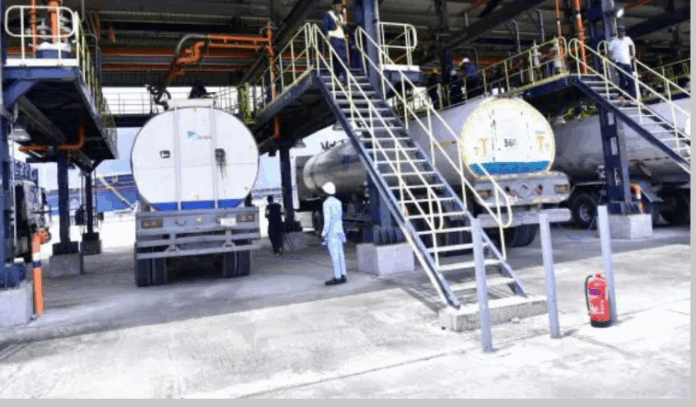
The refinery plans to deploy 4,000 new Compressed Natural Gas (CNG)-powered tankers to tackle long-standing distribution inefficiencies, reduce the influence of intermediaries, and contribute to environmental sustainability.
Dangote Refinery in its fightback against critics, issued a statement that quoted independent energy analysts who commend its plan as beneficial to the economy.
The statement referenced a university lecturer, Abimbola Oyarinu, who said if successfully implemented, the policy could significantly reduce the power held by middlemen in the oil and gas distribution chain.
“This initiative has the potential to dismantle the dominance of powerful middlemen, who have in the past stalled progress and held entities like the NNPCL hostage.
“However, Nigerians will judge it by its impact on fuel prices. If it leads to cheaper petrol at the pump, it will ease inflation, considering fuel costs and exchange rates are key inflationary drivers in Nigeria,” Oyarinu was quoted as saying.
Energy analyst Ibukun Phillips reportedly described the move as “revolutionary”, saying it could reshape Nigeria’s energy landscape by improving accessibility and affordability, especially in rural areas.
“Logistics currently account for between 10 per cent and 30 per cent of fuel prices. Eliminating this cost will naturally reduce pump prices.
“Rural dwellers often pay more for fuel than those in urban areas, despite earning less. This initiative could revive disused filling stations and ensure more equitable distribution,” she explained.
Phillips reiterated that the scheme would also generate employment, with at least 8,000 drivers expected to be hired to kickstart the operation.
The statement also quoted Kelvin Emmanuel, another energy expert and co-founder of Dairy Hills, as saying that the initiative by Dangote Refinery to cover logistics costs is a critical shift that could let Nigerians finally benefit from domestic refining.
It said Emmanuel
- “Argued that concerns about the refinery becoming a monopoly are misplaced, pointing instead to systemic inefficiencies that have plagued the sector” for decades.
- Highlighted how “logistical and regulatory failings” have hampered fuel distribution.
- Stressed that Dangote Refinery stepped in to address long-standing gaps in Nigeria’s fuel distribution system.
- Reiterated that fuel supply across the country is inconsistent, with only Lagos, a few states in the South West, and Abuja enjoying relatively stable and fair pump prices.
“Dangote is taking on the burden of transportation, storage, and bridging costs that should have been streamlined long ago. This is in response to the resistance from vested interests who have tried to frustrate fair and efficient distribution,” Emmanuel reportedly said.
The refinery’s reliance on road transport is a “strategic” move to bypass infrastructural and bureaucratic bottlenecks, he added.
Read also: