



By Emeka Alex Duru
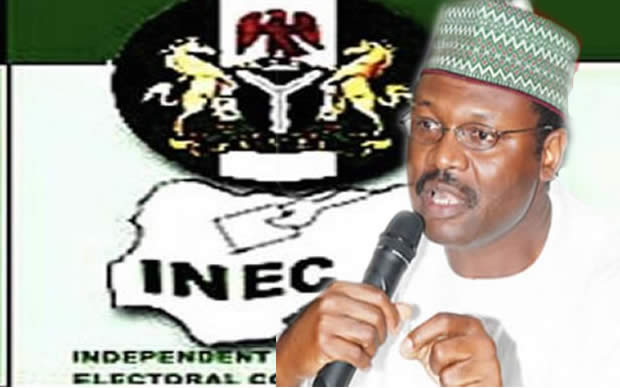
With the release by the Independent National Electoral Commission (INEC) on Friday, 17/8/2018, announcing the activities for the 2019 general elections, the race has commenced, in a way.
According to, Ndidi Okafor, Head of Voter Education and Publicity Gender and Civil Society Liaison of INEC, who reportedly spoke on the matter, the collection of nomination forms for national and state elections by political parties is fixed between August 17 and August 24.
Collection of forms for FCT elections will take place between September 3 and September 10.
The last date for submission of nomination forms by political parties has also been scheduled for December 3 for Presidential and National Assembly Elections, while the date for state elections, is December 17.
Okafor added that “the collection of nomination forms for FCT Area Council elections would commence on November 3 to November 10, while the last date for the return of the nomination forms is December 14.
“On October 25, INEC will publish the personal particulars of National election candidates and those of the state candidates on November 9”, she added
The notice further announced that INEC has slated November 17 as the last date for the withdrawal or replacement of candidates for President and National Assembly elections, while that of the governorship and state houses of assembly elections, has been fixed for December 1.
INEC would on January 2, 2019 publish notice of the polls, and on January 7, 2019 publish the official register of voters for the election, which will begin with the Presidential and National Assembly elections on 16 February.
Apparently based on the directive, the parties have been making efforts to beat the deadline. The All Progressives Congress (APC), has for instance, tentatively set out a timetable for its national convention that will culminate with the nomination of its presidential candidate.
In a letter to INEC, by its National Chairman, Adams Oshiomhole, had stated Saturday (Wednesday), September 19 for its national convention.
In similar vein, the African Democratic Congress (ADC), has fixed its presidential primary for September 29, while the FCT primary was fixed for September 11.
The Chairman of the ADC, Okey Nwosu, had, in an interview said, “Our first primary will be that of elective positions in the FCT which will take place on September 11.
“The primaries for legislative and governorship positions will take place from September 21 while the presidential primary will hold on September 29, 2018.”
For other 89 political parties such as the Peoples Democratic Party (PDP), All Progressives Grand Alliance, Peoples Redemption Party (PRP), Labour Party (LP), Social Democratic Party (SDP), no dates – tentative or confirmed- have been fixed for the exercise.
But while the dates are yet to be arrived at by the parties, there have been incidences of horse trading by aspirants for the various positions.
APC settles for Buhari?
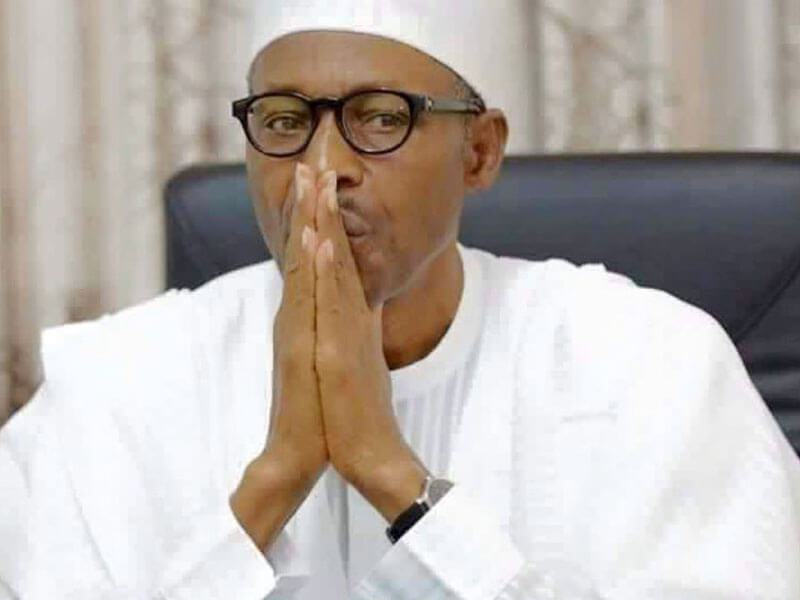
For the APC, aside the governorship, state and national assembly primaries, the presidential primary, is basically, a mere formality, given that the party, has more or less, offered President Muhammadu Buhari, a return ticket for a second term.
What the party would thus do at the convention, would be merely to ratify his candidacy, which began to take shape following the declaration, which he made at the special National Executive Committee (NEC) meeting of the party, on Monday, April 9, 2018.
Even before the declaration, it was obvious that the President would go for another term. Since last year, he had stealthily put up steps that clearly indicated that he had eyes on second term, despite the general perception of his uncertain health and low performance profile of his administration.
In fact, at a particular outing on Tuesday, November 28, 2017, in Abidjan, Cote d’Ivoire, while attending the 5th European Union-African Union (EU-AU) Summit, Buhari made a statement that appeared the clearest hint that he would seek reelection.
In an interactive session with the Nigerian community in the country in company of Akwa Ibom State governor, Udom Emmanuel and his Bauchi counterpart, Mohammed Abubakar, among others, Buhari remarked that he requested the two governors to accompany him to the meeting because of their electoral value.
“I came along with them so that when we are going to meet you, when you are going to meet the rest of Nigerians, if you tell them that their governors were in the company of the president, I think that will be another vote for me in the future,” Buhari said.
That, practically, was what his foot soldiers needed to go to town with, to commence the campaign of his indispensability.
Thus, in his Monday, April 9, 2018, declaration, Buhari claimed that he was seeking a second term, in response to the clamour by Nigerians.
He said, “People have been asking me to declare for re-election and some have been asking me when I am going to declare. I want to give the NEC the honour to be the first to hear it. I have decided to contest the 2019 elections”.
He anchored his aspiration on the need to deepen the culture of transparency that his supporters say he has introduced in the system.
Incidentally, there has not been any pronounced challenge to his ambition from the party, subsequently.
Muoghalu goes for YPP
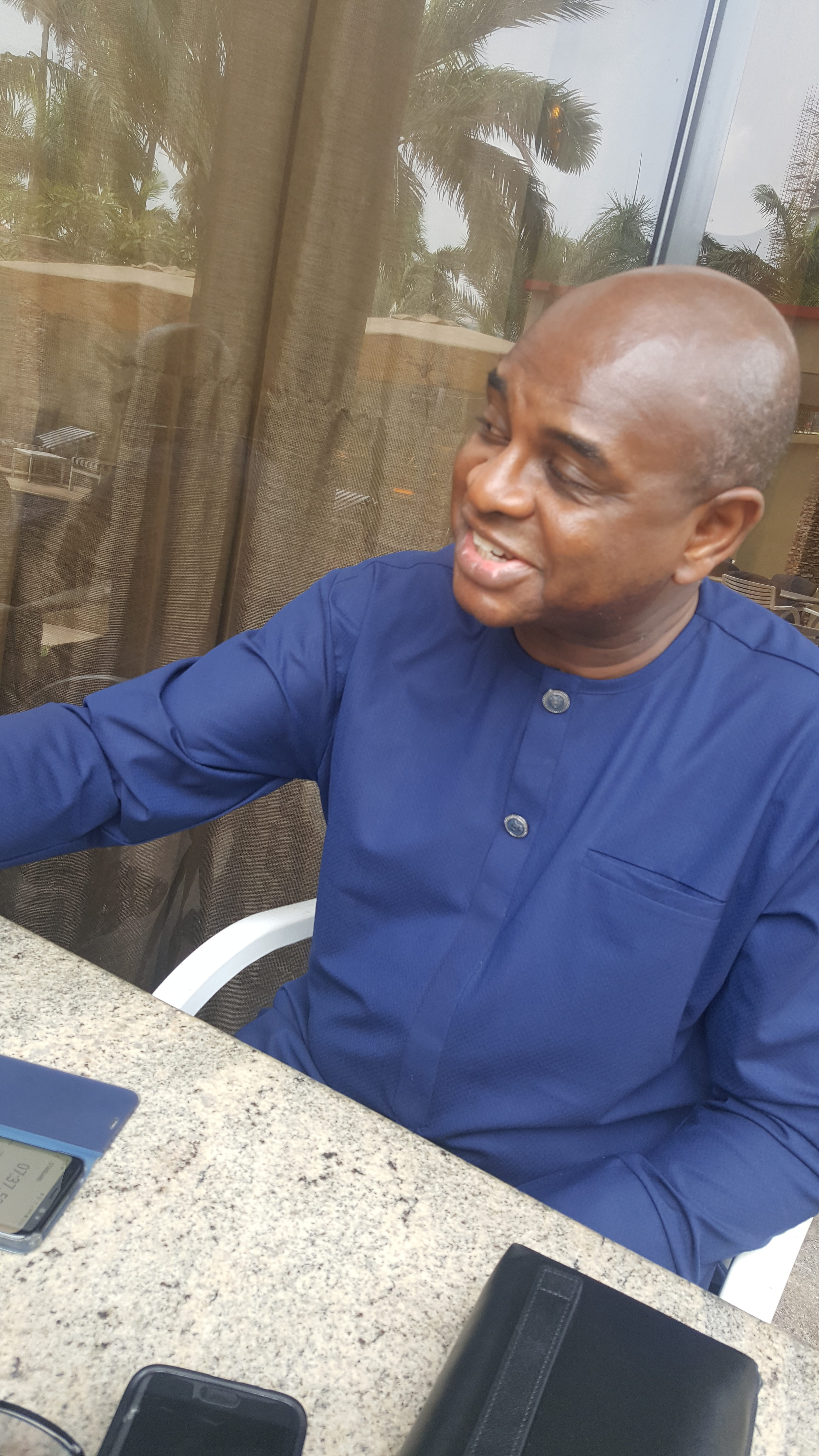
In Young Progressives Party (YPP), former Central Bank Deputy Governor, Diplomat and International Economist Prof. Kingsley Muoghalu declared his candidacy for the Presidency in the upcoming 2019 General Elections.
He made the declaration on Wednesday, February 28. Coming from the background of human and economic management, Muoghalu says his aspiration is driven by the urge to reposition the country on the path of progress and standard practice.
“With love for our country and a fierce commitment to a vision of rapid progress for our more than 180 million citizens, and following wide-ranging consultations, I offer myself to serve you as President of the Federal Republic of Nigeria as from May 29, 2019,” Muoghalu said at a press conference in Abuja, while offering himself for the job.
There has not been any challenger to him from the party, so far.
PDP counts the numbers
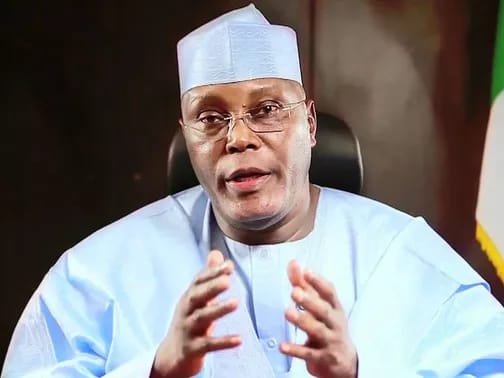
Perhaps, the real action for the presidential ticket, is likely to come from the PDP. At the last count, such names as Atiku Abubakar, former Vice President, Ahmed Makarfi, former Kaduna State governor, current Sokoto State governor, Waziri Tambuwal, his Gombe counterpart, Ibrahim Dankwambo, Senate President, Bukola Saraki, former Kano governor, Rabiu Musa Kwankwaso, former Jigawa State governor, Sule Lamido, are being touted as being interested in the ticket.
Each, incidentally comes along with his crowd and clout. Atiku, for example, has made his mark, having been Vice President, for eight years. He has also been aspiring for the high office, since 1993, when he made his debut on the platform of the then Social Democratic Party, during the ill-fated General Ibrahim Babangida political transition.
Coming a close third to such tested hands as MKO Abiola, Babagana Kingibe, Atiku left no doubts that he had his eyes primed for the office. And he has not let go, ever since.
In 2014 presidential primary of the APC, he contested against Buhari but lost. Returning to PDP, Atiku, still keeps the dream alive.
The same story of actualizing the ambition which he could not do under APC, goes for Kwankwaso. Seen as a thorough bred grassroots politician, especially in his Kano and northern backyard, he considers himself a good candidate.
For Tambuwal who has had a good outing as Speaker of House of Representatives and currently governor of Sokoto State, the urge for a higher office, is potent.
Same craving may explain the agenda of Saraki, who has literally seen it all, coming along as Kwara State governor, two-time senator which he caps as president of the senate.
Makarfi, flaunts his celebrated good work as Kaduna governor and his deft political moves in salvaging PDP when it was almost torn apart by the Ali Modu Sheriff factor in the heady days of the party, as indicative of his ability to fly its flag at the elections.
With the stars on parade in PDP, the national convention of the party, promises to be exciting. Analysts have in fact, predicted that the survival of the PDP and how far the party may go in the build-up to the 2019 general elections, depend a lot on how far the party manages the crowd of presidential aspirants in its fold.
It is after the conclusion of the various primaries, according to experts, that the journey for 2019, really begins.


