



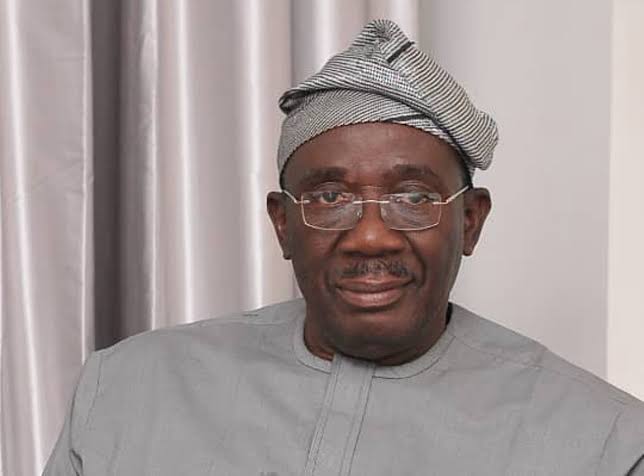
We’ll make an example of Fadahunsi over inciting comments – Amnesty
Country director of Amnesty International Nigeria, Isa Sanusi, said on Thursday that the organisation would name and shame Senator Francis Fadahunsi (Osun East/APC) across the 150 countries where it operates over his alleged inciting remarks.
Fadahunsi’s alleged call for APC supporters to kill Accord Party members in Osun has raised criticisms, though the senator claimed he was using political language which was misunderstood.
He spent two hours answering questions from police officers in Osun on Wednesday.
Osun State governorship election is due on August 15, with the incumbent Governor Ademola Adeleke of Accord Party and Bola Oyebamiji of the APC as the frontline candidates.
Sanusi said during Channels Television’s Sunrise Daily programme that Amnesty would make an example of Fadahunsi to serve as a deterrent to other members of the political class.
“We are going to use him as an example. We have had so many terrible politicians say terrible things ahead of the election,” he said.
“But this one is exceptional, a situation where somebody came out on record, saying that ‘kill them wherever you find them’.”
Sanusi said the organisation would continue to push for accountability, arguing that advocacy of hatred and incitement to violence should not be tolerated.
“I believe that that person does not deserve any peace again, because advocacy of hatred is a crime under international law as well as Nigerian laws,” he said.
“Therefore, we are going to use this man as an example to show that the impunity by Nigerian politicians cannot continue and we cannot tolerate it again.”
Amnesty International Nigeria had on Wednesday condemned Fadahunsi’s remarks, saying authorities have an obligation to prohibit advocacy of hatred that constitutes incitement to hostility, discrimination or violence.
The organisation described the senator’s comments as reckless and said they were aimed at inciting violence ahead of the Osun election.
“Senator Fadahunsi must be held accountable,” Amnesty said.


 across the 150 countries where it operates over his alleged inciting remarks.)