Worsening insecurity: Should everyone own their guns?
By Ishaya Ibrahim
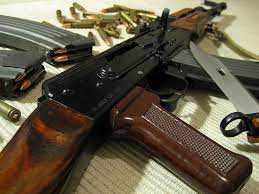
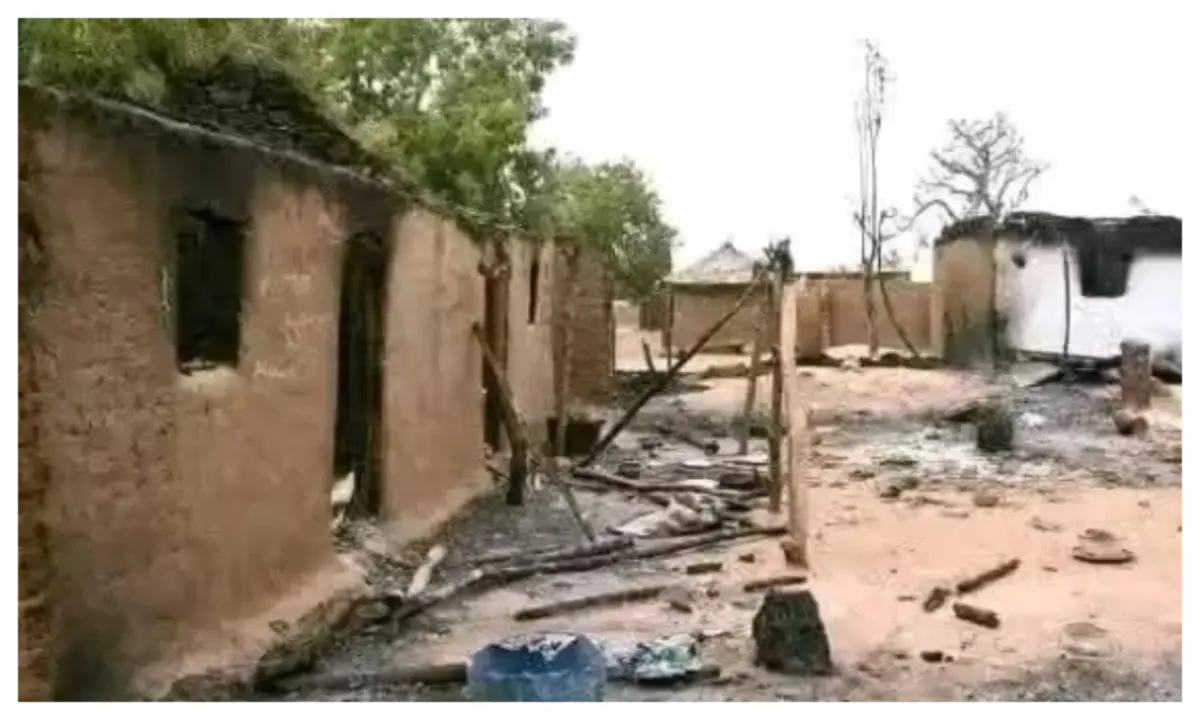
Under the cover of darkness on June 13, gunmen laid siege to Yelewata, a community in Benue State. Armed with AK-47 rifles and at least two general-purpose machine guns (per police report), they overwhelmed civilians who could only defend themselves with sticks, cutlasses, and, at best, shotguns for those with the license to bear them.
The attackers killed anyone on site. Police put the death count at 47, while residents claimed it exceeded 150. Some victims were killed in internally displaced persons camps. They were previously uprooted from their homes by the same assailants.
The security crisis
Benue routinely experiences attacks, almost becoming a weekly occurrence. Kabir Adamu, a Security Analyst and head of Beacon Security and Intelligence Limited, estimates that at least 1,043 persons were killed in Benue between May 2023 and May 2025. The data excludes the June killings in Yelewata and other Benue communities.
But the killings in Nigeria extend beyond Benue. In states like Plateau, Taraba, Abia, Sokoto, Katsina, Enugu, and Zamfara, gunmen routinely maul defenceless citizens in their sleep. In most of these attacks, the gunmen carry sophisticated weapons, giving them a clear advantage over their victims.
Calls for self-defense
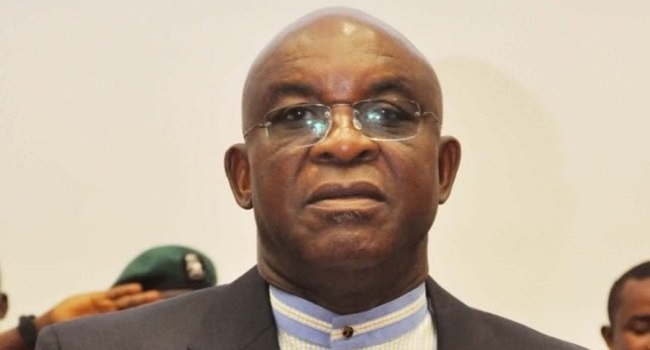
The country’s recurring killings have led to calls for citizens to bear arms to defend themselves. Retired military general and former Senate President David Mark, a recent advocate of this measure, warned that residents might resort to self-defence if the government fails to protect them. “The government must rise to its responsibility, or risk leaving the people with no option but to defend themselves,” he stated.
Ex-Defence Minister, General Theophilus Yakubu Danjuma, forcefully advocated self-defence as early as March 2018. “They collude with the armed bandits,” referencing the military, which he once served as the Army Chief. “They kill people, kill Nigerians. They facilitate their movements, they cover them. If you depend on the armed forces to stop the killings, you will all die one by one.”

Recently, Danjuma reiterated this call on April 20, 2025: “The warning I gave some years ago is still as valid today as it was then. Nigerians must rise and defend themselves. We cannot continue to sit and watch while bandits, terrorists, and criminal gangs massacre our people unchecked. It is now very clear that the government alone cannot protect us. We must stand up and defend ourselves, our families, and our lands before these criminals overrun the entire country.”
The legal position and a legislative push
Nigerian law prohibits civilian gun ownership, allowing only licensed individuals to possess shotguns, which have limited lethal capacity. Even these low-capacity weapons require stringent ownership conditions, including a medical report on mental and physical fitness and police clearance. Police can also deny clearance if they find an applicant has a history of intemperate habits. Furthermore, the license lasts only one year, and applicants must re-qualify for renewal.
In 2024, Ned Nwoko, the lawmaker representing Delta North Senatorial District, proposed a Bill to legalize broader gun ownership for Nigerians, enabling self-defence against violent attacks. The Bill listed double-barrel shotguns, pistols, pump-action shotguns, and other types the Ministry of Defence might recommend.

Nwoko gave reason for the proposed legislation: “It’s evident that the existing security measures have not been sufficient in safeguarding our communities. Allowing law-abiding citizens to possess firearms could potentially provide a sense of security and a means to protect themselves and their families from immediate threats.”
Opposition to gun legalization
However, the National Centre for Control of Small Arms and Weapons rejected the proposal. “If we allow all Nigerians to carry arms, even at the National Assembly, everybody will bring out their pistol at any slight provocation,” warned Ben Akinlade, the South-West Coordinator of the centre and a former director of the Department of State Services.
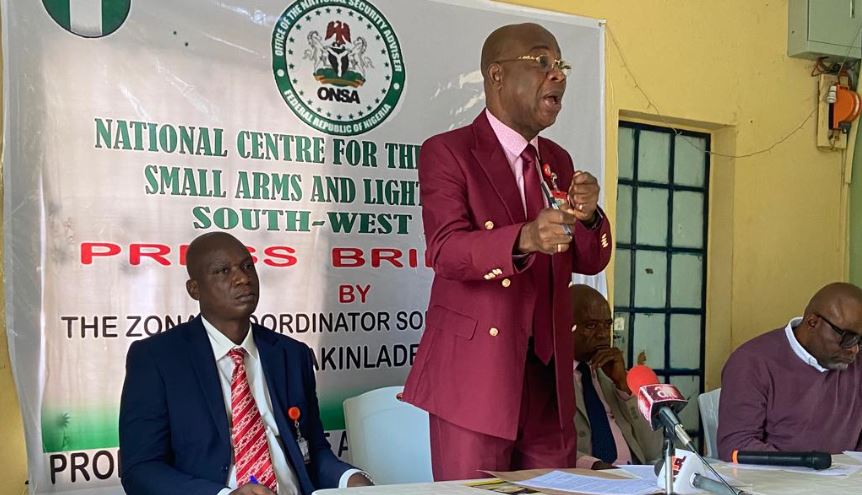
He added, “Which African country has legalised the use of arms? Criminal activities in Nigeria are on the increase, and allowing Nigerians to bear arms will only make it difficult for security agencies to fight crime. Nigeria is not ripe for such a law. Allowing Nigerians to bear arms will not prevent crime; it will cause more harm as people will misuse their arms at the slightest provocation.”
An unnamed army major, unauthorized to speak on the matter, also rejected the idea of legalising guns. He argued, “Guns are controlled items. They possess some spirits that push anyone bearing them to want to use them when provoked. TY Danjuma knows this, but anger drives him to call for self-defence. That is not the solution.”
On the solution, he advised: “Every community must organise itself and patrol its areas at night. When they see something unusual, they raise an alarm to security agencies.”
A police officer serving in Borno, who also requested anonymity, similarly stated that legalising gun ownership would worsen insecurity. He advocated that all communities form groups like the Civilian JTF to support security agencies in protecting communities. “In Borno, for instance, the military controls the Civilian JTF. They carry pump-action rifles.”
He continued, “When the Civilian JTF undertake dangerous operations along with the military, they use AK-47s specifically for those missions. And those weapons are taken from them afterwards. I believe that solution can work. But if we legalise gun ownership, people can use guns against each other during personal quarrels,” he warned.
The argument for collective action
Researcher and Assistant Executive Director at Corporate Accountability and Public Participation Africa, Zikora Ibeh, also said that gun control isn’t the solution. “Nigeria is already awash with weapons, many of them in the hands of non-state actors. Introducing more arms into this environment will only worsen an already dire situation,” she said.

For Ibeh, the core issue is the collapse of Nigeria’s security architecture and the entrenched culture of impunity. “Security institutions have consistently failed to respond decisively to violence, and this failure is rarely met with consequences. Until security chiefs are held publicly accountable, and where necessary, prosecuted for negligence, there is little hope that anything will change.”
She said rather than promoting individual gun ownership, support should be given towards the creation of democratic, non-sectarian community defence structures. “These would provide rapid monitoring and response, work in coordination with law enforcement, and operate under clearly defined civilian oversight.”
She added: “We need serious investment in interstate and border security coordination. Many of these attacks have been reported to involve foreign actors and non-indigenes crossing borders to assault local communities and fleeing through the same way. Any real solution must include stronger collaboration among border communities. Ultimately, safety will not come from more guns. It will come from confronting the rot within our security institutions and building collective, accountable systems of protection from below.”
The case for arming communities
Security analyst and Executive Director of Rule of Law Accountability and Advocacy Centre (RULAAC), Okechukwu Nwanguma, holds a slightly different view. He said communities should be allowed to bear weapons because the benefits far outweigh the risks.
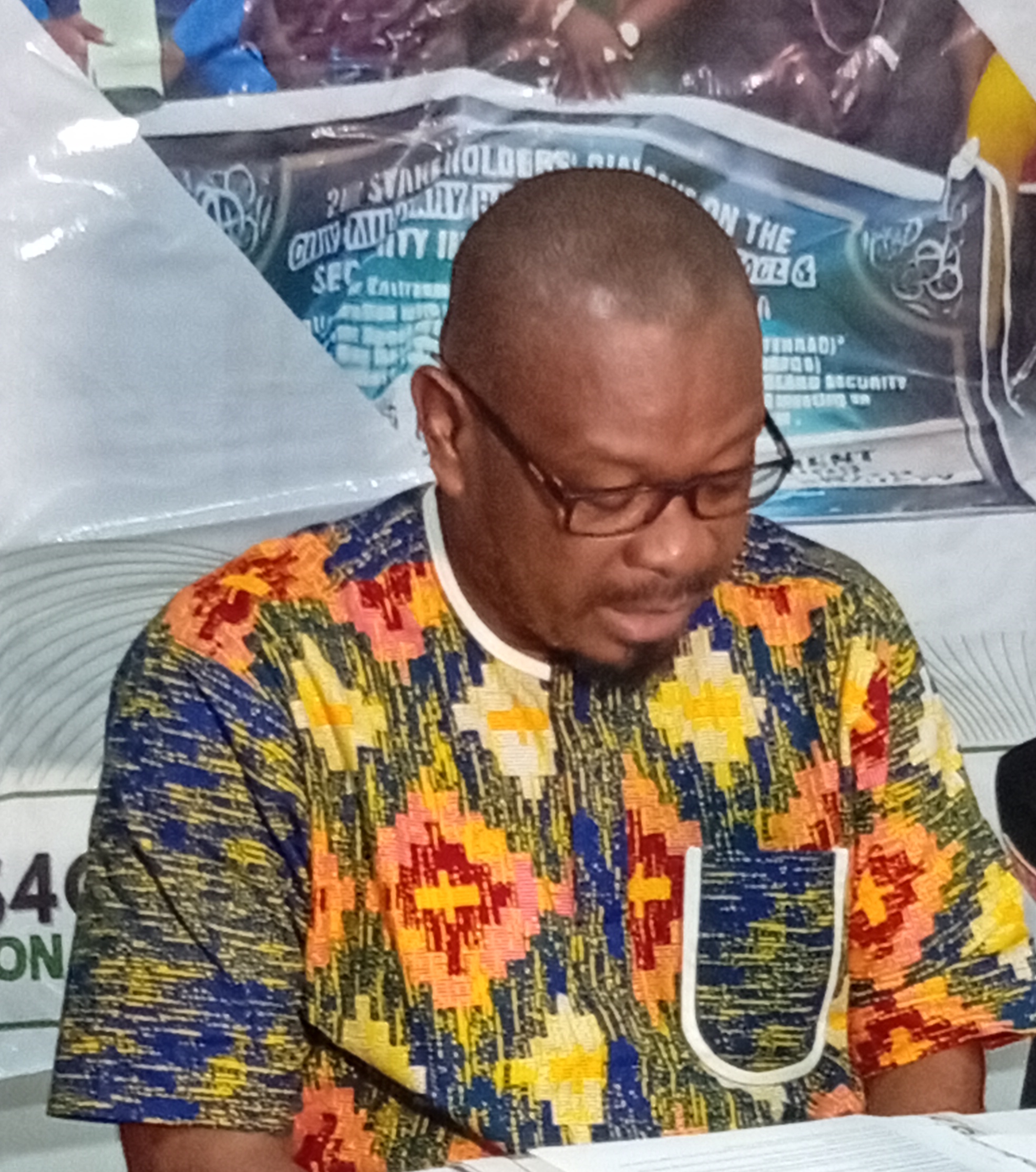
He stated, “Countries like the United States have long liberalised gun ownership, rooted in constitutional rights. The result is a mixed bag—while some communities may feel safer, the unintended consequences include gun violence, mass shootings, and accidental deaths.”
He added, “But Nigeria’s situation is fundamentally different. Here, the debate isn’t about individual gun rights; it’s about survival. Communities aren’t asking to carry arms for prestige or political purposes. They are pleading for the means to defend their lives, families, and ancestral lands in the face of sustained terrorist violence and state failure.”
Nwanguma said while arming citizens en masse without regulation is dangerous, leaving communities defenceless when attackers roam free is far more dangerous. He called for a well-thought-out legal framework to guide community defence, training, vetting, oversight, accountability, and clear jurisdiction of gun ownership.
The security analyst also rejected calls for State Police as a solution, saying it would be a cure worse than the disease. “State governors already wield disproportionate power over state institutions. Many of them have weaponised security outfits for political intimidation, electoral violence, and personal vendettas. Adding a police force under their command—without robust checks and balances—would only deepen the crisis of impunity.”
The argument for and against legalising gun ownership is still an open jury. Meanwhile, gunmen are still messing with lives with sophisticated weapons.”