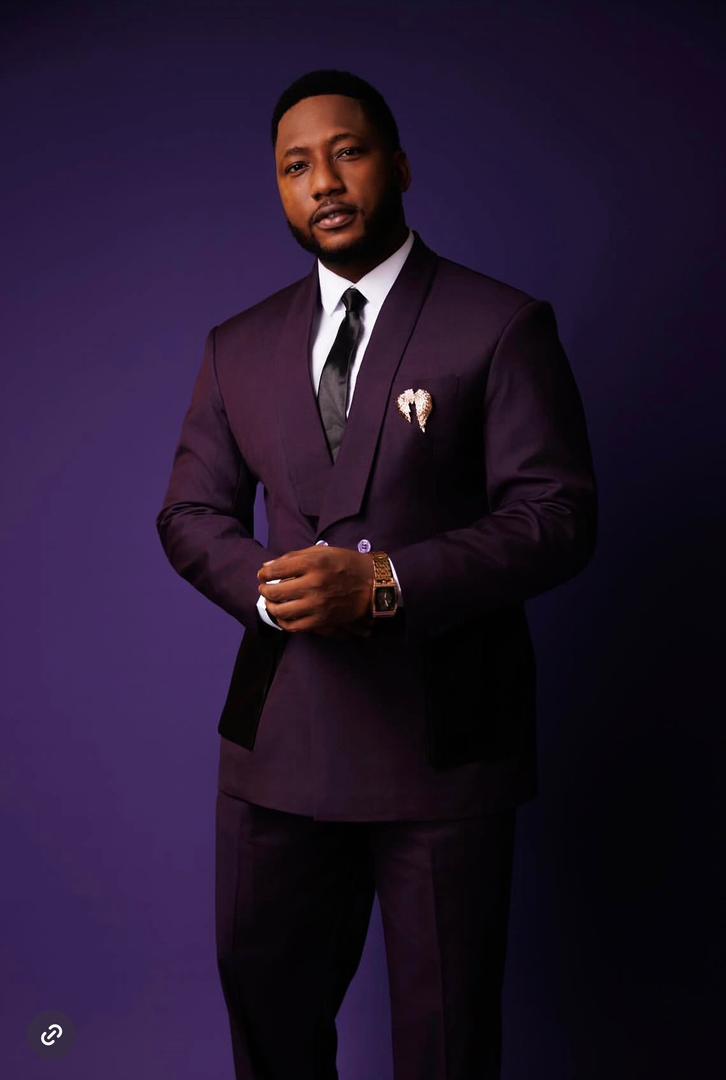
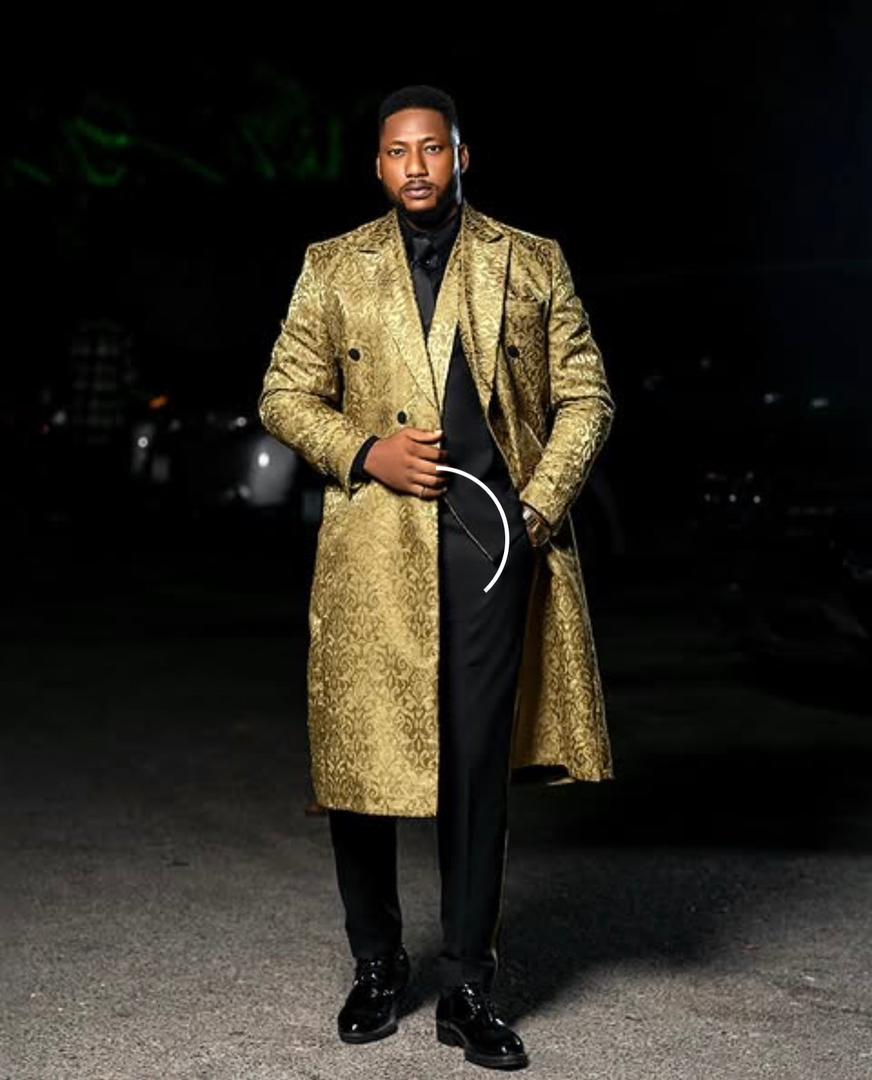
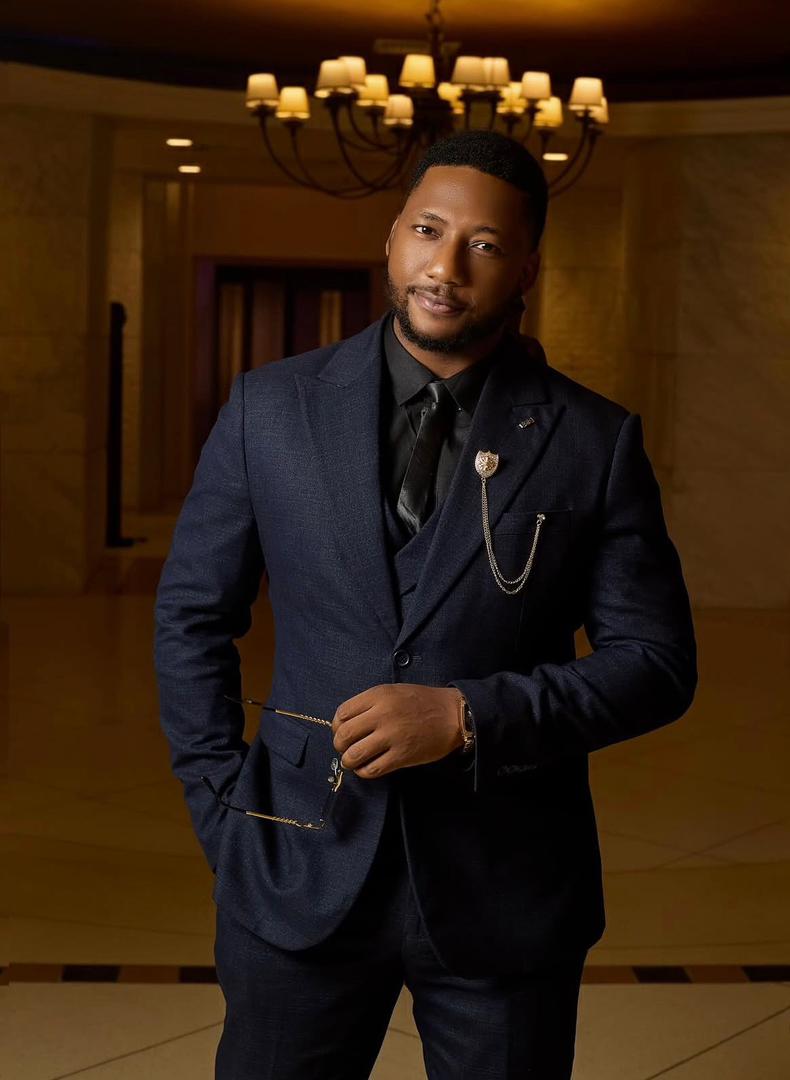
Nollywood actor TOWASE ABAYOMI ALVIN, speaks on the growing trend of actors producing their own films and moving to YouTube, describing it as both a survival strategy and a response to the realities of the Nigerian film industry. Alvin further discusses poor actor welfare, fame without financial stability, the pressure pushing actors into production, the rise of YouTube films, weak industry structures, and why Nollywood may struggle to compete globally if quality and structure are not improved. HENRY EZEJELUE, presents the excerpts of the interaction.
There’s a growing trend of Nollywood actors producing their own films. Why is this becoming common these days?
Honestly, the major reason is money. A lot of actors are trying to survive and finally make real money from the fame they have built over the years. Many actors work so hard, become popular faces, yet remain financially unstable. Of course, some actors genuinely want creative freedom and want to tell different stories outside the roles they are usually given. But if we’re being realistic, survival is the biggest reason.
There are cases where actors accepted very small payments just to support a project, only for the film to later land on major streaming platforms and make huge money for producers. Meanwhile, the actors who carried the film got nothing extra. Situations like that have opened many actors’ eyes. YouTube has now changed the game because actors can directly monetize their names and audiences. Once an actor already has visibility, he can produce his own films, upload them, and gradually builds income from it.
Do you think actors are becoming producers because of passion for storytelling, or because the industry is pushing them into self-survival mode?
It’s definitely both, but survival comes first for most actors. An average actor honestly just wants to focus on acting. Most actors don’t initially enter Nollywood thinking about business or production. They simply want to act, improve their craft, get paid well, and live comfortably from it.
READ ALSO:
Osas Ighodaro gets lead role in Bollywood blockbuster, ‘Imported Bahu’
But the industry pushes many actors into finding other ways to survive financially. That’s why you now see actors doing businesses, producing films, or creating content online. Acting itself is very demanding. Getting into characters properly takes time, concentration, and preparation. But in Nollywood, actors move from set to set because they need to survive financially. That pressure affects the industry in many ways.
If the system was easier, do you think actors would still go into production this much?
No, not at this level. If actors were properly paid and rewarded, many of them would simply focus on acting. The rush into production would reduce greatly. The actors who would still produce films would mostly be doing it out of passion for storytelling or because they want to create unique projects, not because they’re trying to escape financial frustration. Right now, many actors feel like if they spend all their energy helping other producers build wealth while they remain underpaid. They might as well use that same energy to build something for themselves.
Many films are now going straight to YouTube instead of cinemas. What is really driving this shift behind the scenes?
The major reason is accessibility and faster returns. Cinema and streaming films require huge budgets. To make a decent Netflix-standard film today, you may need over a hundred million naira. But with YouTube, filmmakers can work with smaller budgets and still recover their money faster.
Another thing is audience reach. YouTube gives filmmakers quick access to grassroots audiences and people in the diaspora who may not have access to Nigerian cinemas. For many producers, it’s easier to invest a few million naira into a YouTube film, recover the money quickly, and move on to the next project.
Would you say YouTube is now competing with traditional cinema in Nollywood or slowly replacing it?
I don’t think YouTube is replacing cinema. They are two completely different platforms serving different audiences. Cinema comes with a certain experience and standard. Some people still want that big-screen experience. But YouTube also has a massive audience, especially people who prefer watching films comfortably at home.
What I think is happening is that YouTube has created another strong distribution channel in Nollywood. It’s no longer something temporary. It has come to stay. However, YouTube also has disadvantages like piracy, rushed productions, and creative restrictions because certain things can lead to violations on the platform.
Which of the platforms do actors trust more right now?
I don’t think actors are choosing one side completely. Some actors focus mainly on cinema and streaming platforms, while others focus more on YouTube. Some do both successfully. At the end of the day, actors go where they feel their audience is strongest and where opportunities are more consistent for them.
From a practical standpoint, is YouTube more financially rewarding for actors compared to cinema releases?
Honestly, for many actors right now, YouTube is financially rewarding because of consistency. An actor can shoot several YouTube films in one month and make steady money, whereas cinema projects take longer and are less frequent. That doesn’t mean cinema isn’t important, but from a purely practical and financial angle, YouTube currently creates more regular opportunities for actors.
If this trend continues, where do you honestly see Nollywood heading in the next five to ten years?
I think Nollywood may become more focused on survival and quick money rather than global competitiveness. There’s still quality on YouTube, no doubt. Some people are doing amazing work there. But the speed of production affects creativity. You can’t rush filmmaking constantly and expect world-class results every time.
If the industry truly wants to compete globally, there has to be more structure, patience, and investment in quality storytelling and production. Right now, many people are simply trying to survive first before thinking deeply about creativity.
What advice would you give actors who want to start producing films and moving to digital platforms like YouTube?
I’ll say focus on quality and creativity. If you want to produce films for YouTube, don’t just rush because everybody else is doing it. Audiences can tell when effort has been put into a project. Good scripting, proper editing, good sound, colour grading, and strong direction still matter. Quality is what will separate people in the long run.
What mistakes should they avoid based on what you’ve seen in the industry?
Rushing productions is one of the biggest mistakes. Some producers rush films so much that basic technical things are missing. Sometimes sound is bad, editing is incomplete, or scenes are poorly treated because everybody wants quick releases and fast returns. Filmmaking takes time. If you compromise quality too much, the audience will notice.
There’s a growing perception that female actors enjoy more visibility and commercial success than some male actors. What’s driving that?
I don’t necessarily think female actors are more successful overall. I just think many female actors diversify faster. A lot of them run businesses, manage brands, handle endorsements, and multitask very well alongside acting. Many male actors, on the other hand, focus mostly on acting alone. So, people sometimes interpret that visibility and business success as dominance, whereas it may simply be because female actors expand into multiple ventures more aggressively.
We’ve seen actors publicly seeking financial support during health or financial crises. What does this say about Nollywood’s support system?
It says the industry still has serious structural problems. There are actors and even extras still earning extremely low amounts despite how demanding the job is. There’s poor regulation, poor welfare systems, and weak protection for actors. The guild should be more active in protecting actors’ rights, improving pay structures, and regulating working conditions. Without stronger structures, many professionals in the industry will continue struggling despite years of hard work.
Do you think the industry is doing enough to support its professionals?
No, I don’t think the industry is doing enough. Actors and filmmakers give so much to Nollywood, but the system doesn’t always give back enough support, protection, or stability. The industry needs stronger collective leadership and better collaboration if Nollywood truly wants sustainable growth.
Looking back at your journey, how would you describe your Nollywood experience so far?
It has been tough, emotional, and rewarding at the same time. I experienced years of auditions, rejection, and uncertainty before opportunities started coming. There were moments I wanted to give up, but the journey taught me patience, resilience, and self-belief.
One thing Nollywood teaches you is consistency. Sometimes rejection is not because you’re untalented it may simply mean the opportunity meant for you hasn’t come yet.