



People-centred cancer care asks a different question. Not just “What is the matter with you?” but “What matters to you?” It treats patients as active partners, not passive recipients, and addresses emotional, social, psychological, and financial needs alongside medical treatment.
By Janefrancis Duru
The world marked World Cancer Day on 4th February 2026 under the theme “United by Unique.” It is a powerful reminder that while cancer affects millions of people worldwide, every cancer journey is deeply personal. No two experiences are the same. And to truly confront cancer, we must move beyond treating only the disease to seeing and supporting the person behind the diagnosis.
Placing people at the centre of cancer care is not a medical slogan or a passing trend. It is one of the most effective ways to improve awareness, strengthen prevention, encourage early detection, and ultimately save lives.
Cancer is often discussed in statistics, but it is lived in stories: a woman who discovers a breast lump but delays seeking care because of fear or cost; a father who ignores early warning signs until the pain interferes with his ability to work; a young person who avoids screening due to stigma and misinformation.
READ ALSO:
Hard drugs: China-bound auto parts dealer arrested at Kano Airport, kingpins nabbed in Ibadan
According to the Global Cancer Observatory (GLOBOCAN), Nigeria recorded 127,763 new cancer cases in 2022 and 79,542 cancer-related deaths, more than 200 lives lost every day. Roughly one in eight Nigerians will develop cancer before the age of 75. Yet over 70 per cent of cases are diagnosed at advanced stages, when treatment is more complex, more expensive, and less effective.
These outcomes are not driven by biology alone. They are shaped by fear, limited awareness, out-of-pocket health spending, weak referral systems, cultural beliefs, and unequal access to care. A people-centred approach recognises these realities and responds with empathy, inclusion, and practical solutions.
People-centred cancer care asks a different question. Not just “What is the matter with you?” but “What matters to you?” It treats patients as active partners, not passive recipients, and addresses emotional, social, psychological, and financial needs alongside medical treatment.
Placing people at the centre of cancer care begins long before a diagnosis. It starts with prevention. Evidence shows that 30–50 percent of cancer cases are preventable by addressing key risk factors such as tobacco use, harmful alcohol consumption, unhealthy diets, physical inactivity, environmental pollution, and certain infections. In Nigeria, rising urbanisation and lifestyle changes are increasing exposure to these risks.
People-centred prevention moves away from one-size-fits-all messaging. It delivers health information in ways that resonate with communities through schools, workplaces, faith-based institutions, traditional leaders, and media platforms in local languages. It supports individuals to make healthier choices within their real social and economic circumstances.
Vaccination is another powerful, human-centred prevention tool. Human papillomavirus (HPV) and hepatitis B vaccines can prevent cervical and liver cancers before they start. Yet these vaccines remain under-utilised in many communities due to limited awareness and access. Expanding vaccination coverage is not just a medical priority; it is a moral one.
Prevention is not about blame. It is about creating environments where healthy choices are possible, affordable, and supported.
Early detection is the bridge between fear and survival. When cancer is detected early, treatment is often simpler, less costly, and far more effective. Unfortunately, fear, stigma, and lack of access continue to delay screening for many Nigerians.
A people-centred system recognises that barriers are not always clinical. A single mother may not be able to take a day off work for a mammogram. Someone in a rural community may live hours away from diagnostic services. Bringing screening closer through primary healthcare centres, mobile clinics, community outreaches, and workplace programs brings care to the person, rather than forcing the person to struggle to reach care.
Risk-based and age-appropriate screening for cancers such as breast, cervical, colorectal, and prostate cancer saves lives. Equally important is promoting body awareness helping people recognise changes such as unusual lumps, abnormal bleeding, persistent pain, unexplained weight loss, or changes in bowel habits, and seek care early without fear or shame.
Cancer treatment can be physically exhausting, emotionally draining, and financially devastating. In Nigeria, where much of cancer care is paid out-of-pocket, many families face catastrophic health spending, sometimes choosing between treatment and basic needs such as food or school fees.
People-centred care prioritises dignity, clear communication, pain management, mental health support, and palliative care. It also recognises caregivers, often women and family members, as essential partners who need support, not silence.
As one health advocate aptly puts it, “Lived experience is a diagnostic tool.” When healthcare providers listen to patients’ concerns and instincts when a person says “something is wrong” lives can be saved.
Communities are powerful agents of change. Cancer survivors who share their stories help break stigma, inspire early screening, and replace fear with hope. Civil society organisations, youth groups, professional associations, faith leaders, and the media all play critical roles in sustaining awareness and accountability.
Placing people at the centre of cancer care means investing in prevention, expanding early detection, strengthening primary healthcare, reducing financial barriers, and listening to the voices of patients and communities. It means recognising cancer control as not only a health issue, but a development and social justice imperative.
Cancer may be a medical condition, but defeating it is a human endeavour. When we put people first, regardless of income, location, or background, awareness leads to prevention, prevention leads to early detection, and early detection leads to survival.
United by our unique experiences, we can build a future where cancer care in Nigeria is compassionate, accessible, and effective and where no one faces cancer alone.
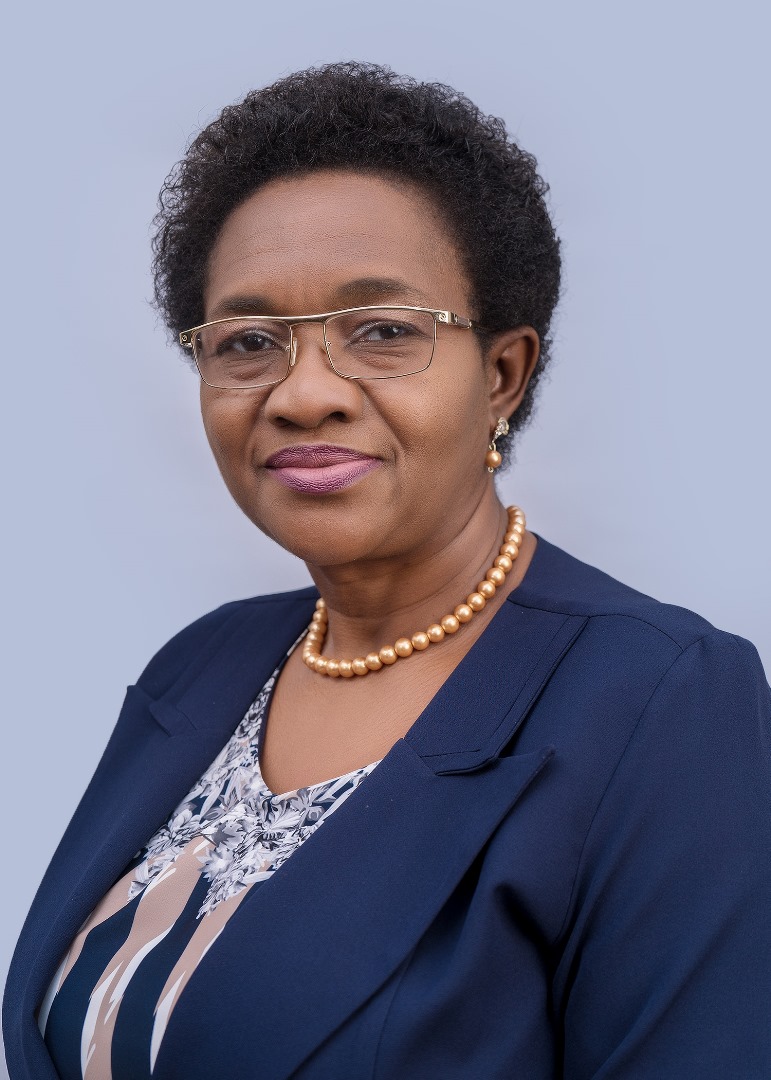
Janefrancis Duru, PhD
Health and Development Advocate,
ED, Gender and Development Centre. Lagos


