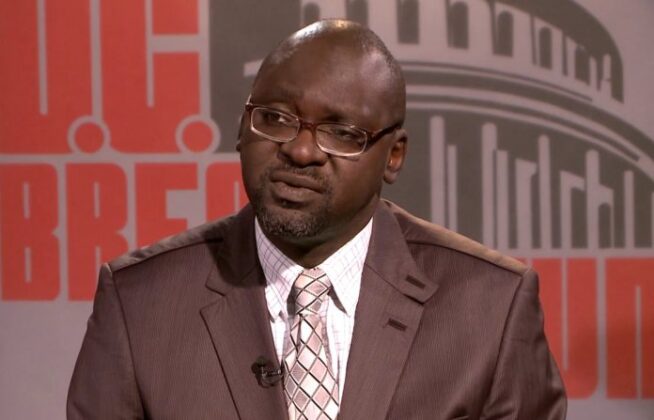
Trump’s designation: Lawyer Ogebe calls on FG, US to do needful for refugees
By Jeffrey Agbo
Human rights lawyer Emmanuel Ogebe has urged both the Nigerian and United States governments to take concrete steps following US President Donald Trump’s redesignation of Nigeria as a Country of Particular Concern over religious persecution.
In a statement issued on Friday, Ogebe said he “received with delight the news that the U.S. President has announced the redesignation of Nigeria as a Country of Particular Concern for egregious religious persecution for only the second time in the over 25 year history of the International Religious Freedom Act (aka the Frank Wolf Bill).”
He said it was “unclear whether the designation comes with a sanctions waiver that occurred last time in 2020,” but advised that “both nations should dialogue on a path forward.”
Ogebe criticised the Nigerian government’s reaction to the US decision, saying it “chose to bury its head in the sand and engage in spin doctoring and performative outrage instead of addressing a truth known and suffered by millions of Nigerians despite repeated advice to act on the issues.”
Describing the development as “a foregone conclusion,” he stressed that “it is not too late for Nigeria to reverse course.”
The lawyer also called on Washington to broaden refugee access, saying, “I urge the U.S. government to expand the number of refugees from the 7500 cap just instituted which is limited to white South Africans alone.”
He contrasted the policy with Nigeria’s worsening security situation, noting that “there are actual killings of farmers in Africa and an arguable genocide but it is in West Africa not South Africa.”
According to him, “Last year thousands of farmers, mostly Christians, were slaughtered by jihadi Fulani herdsmen in what the U.S. and others literally call ‘farmer/herder clashes.’”
Recalling Trump’s earlier remarks, Ogebe said, “In his first term, he stated directly to Nigeria’s visiting president Muhammadu Buhari at the White House, ‘You need to stop the killing of Christians’ – over seven years ago.”
He lamented that “the killings have continued unabated including multiple massacres with victims as young as eight months old,” citing the “Zikke Palm Sunday massacre of 54” where “Alice’s hand [was] chopped off” after her family was killed.
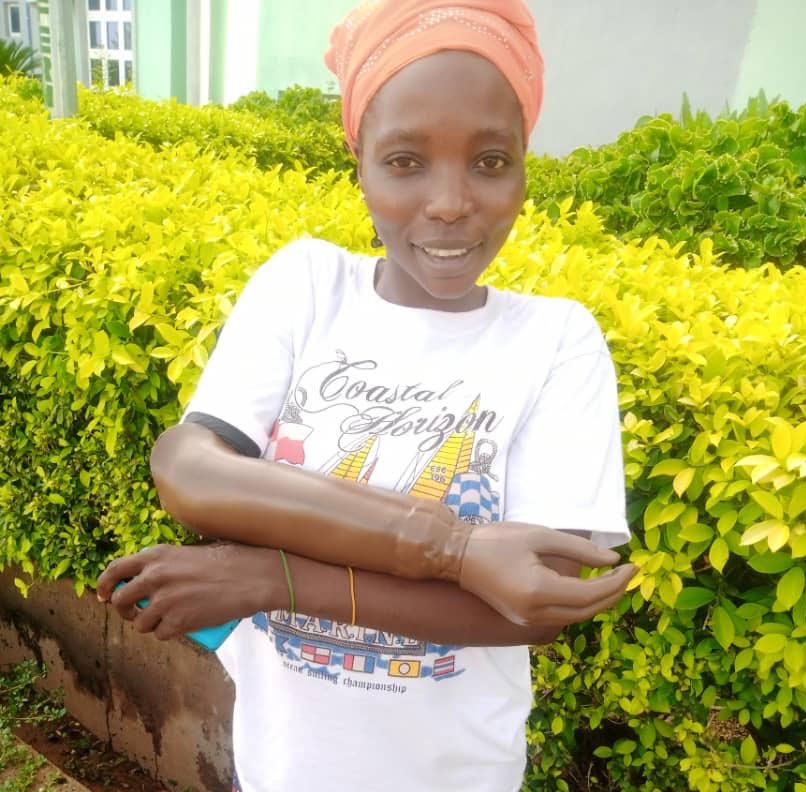
Ogebe questioned US refugee priorities, saying, “Trump’s policy action back then after he acknowledged Nigerian Christians’ killings in 2018 was banning Nigerians from the U.S. Now as he’s granting refugee status to white South Africans who have suffered nothing close to what Nigeria’s Christian farming communities are experiencing, it is important that Nigeria’s persecuted are co-opted too.”
He added that “since 1990, less than 2000 white farmers have been killed in South Africa. In the last two years, 2000 and 7000 farmers were killed in Plateau & Benue states in Nigeria.”
Ogebe further highlighted the plight of displaced persons in the northeast, noting that “this month, 5000 people were forcibly displaced from Kirawa in the predominantly Christian Gwoza District in Borno State following an attack by Boko Haram that destroyed their town,” with “3000 of them now refugees in Cameroon.”
He said Gwoza had been “vastly deChristianized over the last dozen years with over 50,000 Gwoza Christians in refugee camps in Cameroon as at 10 years ago,” adding that many are being “returned to Nigeria where their community is still occupied by Boko Haram.”
While commending Trump for recognising Christian persecution in Nigeria, Ogebe stressed that “he must match policy recognition with appropriate policy action.”
He concluded by urging Abuja to take responsibility, saying, “I call on the Nigerian government to establish a high powered commission to investigate and engage with these concerns to work on Nigeria’s performance improvement plan towards Nigeria’s future delisting.”
“The innocent shed blood of martyrs has been vindicated,” he said.