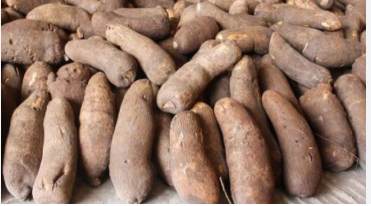
Traders and consumers lament high yam prices, urge government to address logistics problems
By Jeph Ajobaju, Chief Copy Editor
***********************************
“Medium yams now sell for N5,000 compared to N4,000 in 2024. Bigger ones go for N12,000 to N15,000. Even the smallest yams cost N6,000 or N7,000 now.
“A small truck that once cost N10,000 to bring yams from Benue or Nasarawa now costs N20,000. Bigger trucks are N60,000” – Trader.
***********************************
Yam prices have surged in Abuja markets which traders and buyers attribute to rising fuel and transportation costs that have multiplier effects on the evacuation of farm produce.
A market survey shows that yam prices keep on climbing despite the arrival of new yams which usually leads to a drop in market prices.
Depending on size, a single tuber of yam now sells for between N5,000 and N15,000, a sharp hike compared to last year’s rates across major Abuja markets.
Grace Ibrahim, a yam seller at Gwagwalada Market, confirmed that prices have risen by more than 25 per cent compared to the same period in 2024, citing higher logistics costs.
“Medium yams now sell for N5,000 compared to N4,000 in 2024. Bigger ones go for N12,000 to N15,000. Even the smallest yams cost N6,000 or N7,000 now,” she told Vanguard.
She blamed the increase on higher transportation costs.
“A small truck that once cost N10,000 to bring yams from Benue or Nasarawa now costs N20,000. Bigger trucks are N60,000.”
Ibrahim Musa, another yam trader, corroborated the challenge, saying patronage has declined as consumers struggle with high prices across all food items, not just yam.
“People don’t buy like they used to. It’s not just the prices, it’s that everything has become expensive. Many buyers are simply choosing cheaper alternatives,” he added.
Consumers express concern over high prices
Yam patron Deborah Oga said the commodity has become unaffordable for many families even with the availability of new harvest.
Another, Dorcas Okeke, disclosed that her household has reduced yam purchases: “We used to buy four tubers each weekend. Now we can only afford two. We’re eating more potatoes and cassava.”
Traders urged the Federal Government to support farmers with subsidised fertilisers, improved road networks, and fuel price interventions to ease the burden on both suppliers and consumers.
Experts warn that unless transportation and fuel challenges are addressed, the upward trend in food prices may persist, impacting food security and economic stability countrywide.
Read also:
Economist attributes lowering food prices to harvest season that may later vanish