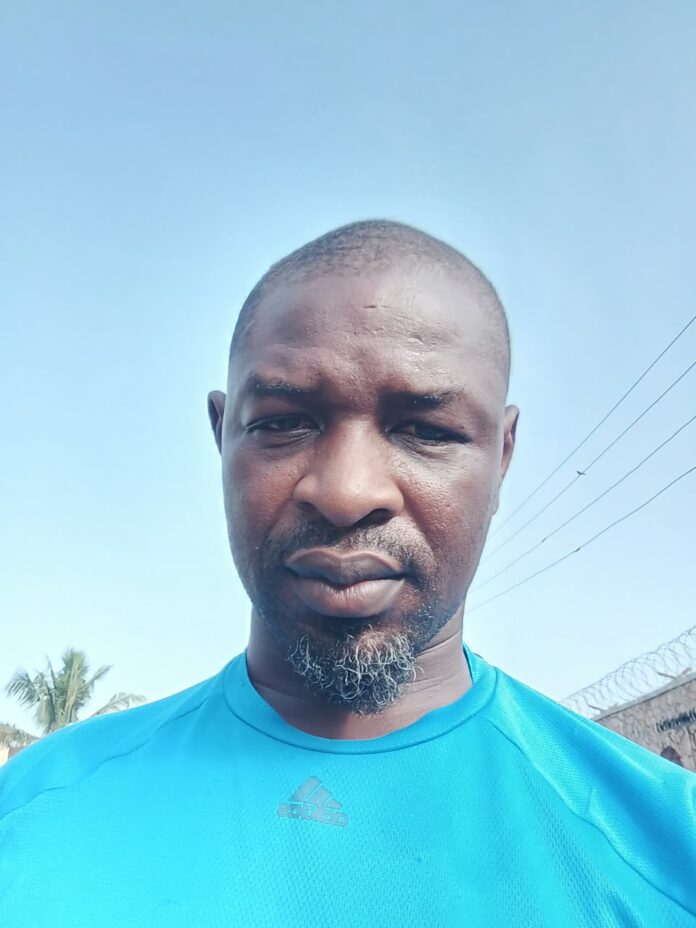
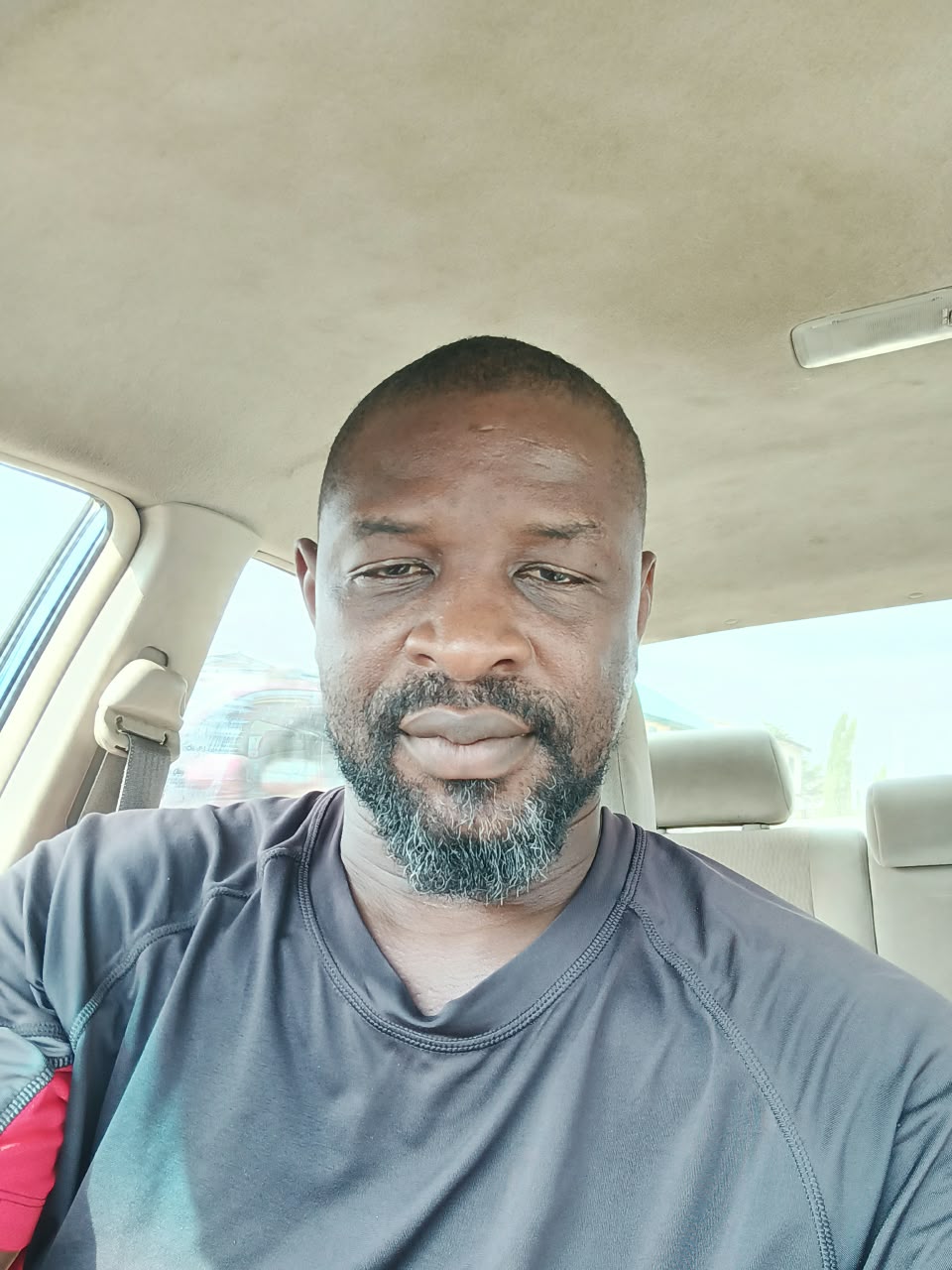
Six years later, he quit his job to focus fully on the business. After running short of funds, Kazeem Adejobi restarted with 2,000 catfish fingerlings in a rented farm. As the fish grew, the stock increased to 4,000, which was the farm’s full capacity. Today, he is the Chief Executive Officer of Breedfield Farms, where he produces 100,000 healthy and fast-growing catfish fingerlings monthly.
By Eberechi Obinagwam
Kazeem Adejobi started his catfish farming business in 2010 as a fresh Accounting Graduate of the University of Ilorin, with just 400 catfish fingerlings in his father’s compound in Agege, Lagos, while on a paid job.
Six years later, he quit his job to focus fully on the business. After running short of funds, Adejobi restarted with 2,000 catfish fingerlings in a rented farm. “I started all over again after running short of funds with just 2,000 (catfish fingerlings) in a rented existing catfish farm,” he told TheNiche in an interview. As the fish grew, the stock increased to 4,000, which was the farm’s full capacity.
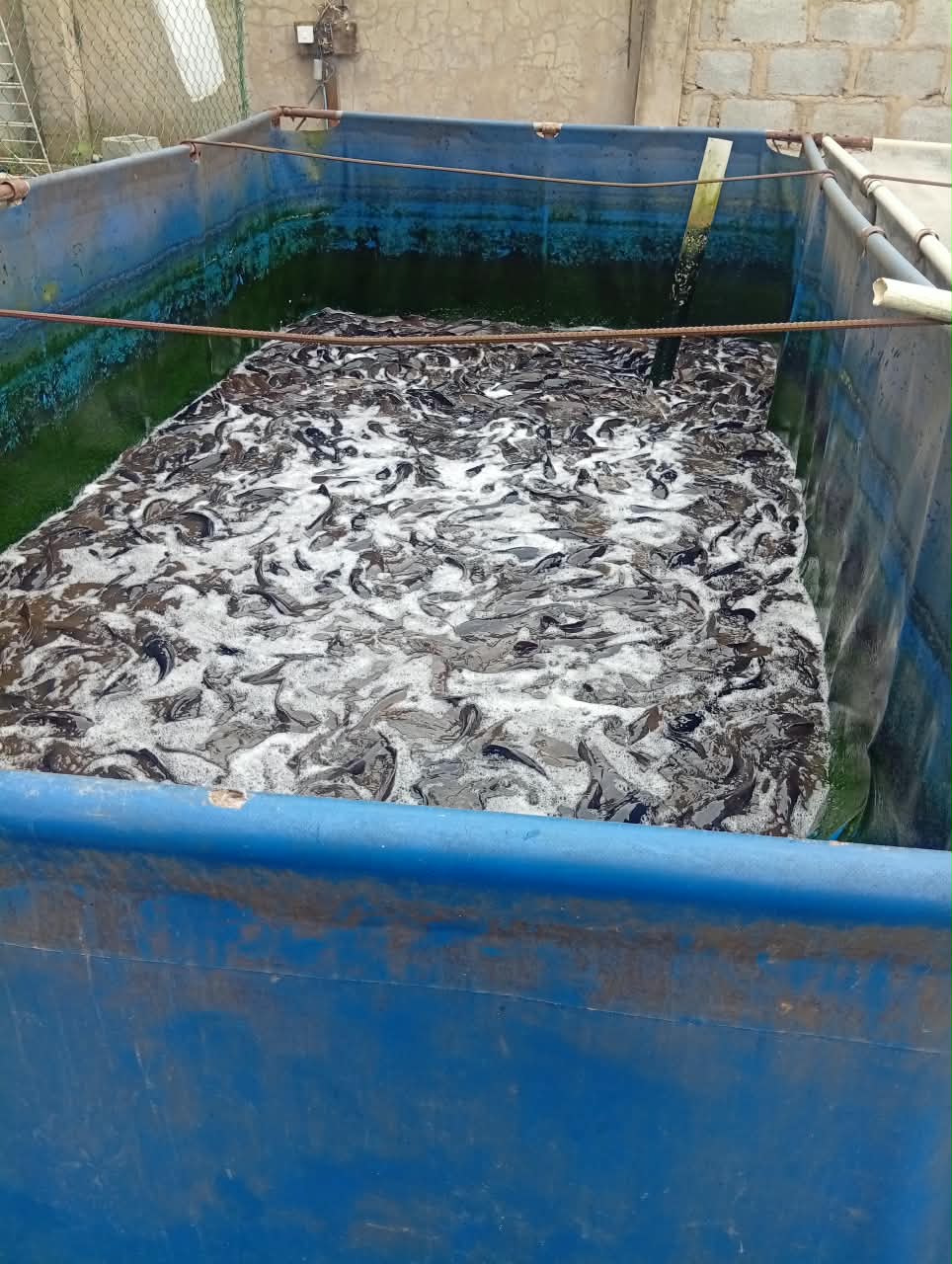
Today, Adejobi is the Chief Executive Officer of Breedfield Farms, where he produces 100,000 healthy and fast-growing catfish fingerlings monthly.
The catfish farming idea
The idea to venture into catfish farming came to Adejobi during his National Youth Service Corps (NYSC) programme in Ondo State in 2010. While on the programme, he met a man working in the Agriculture Department who introduced him to farming and explained its potential as a business.
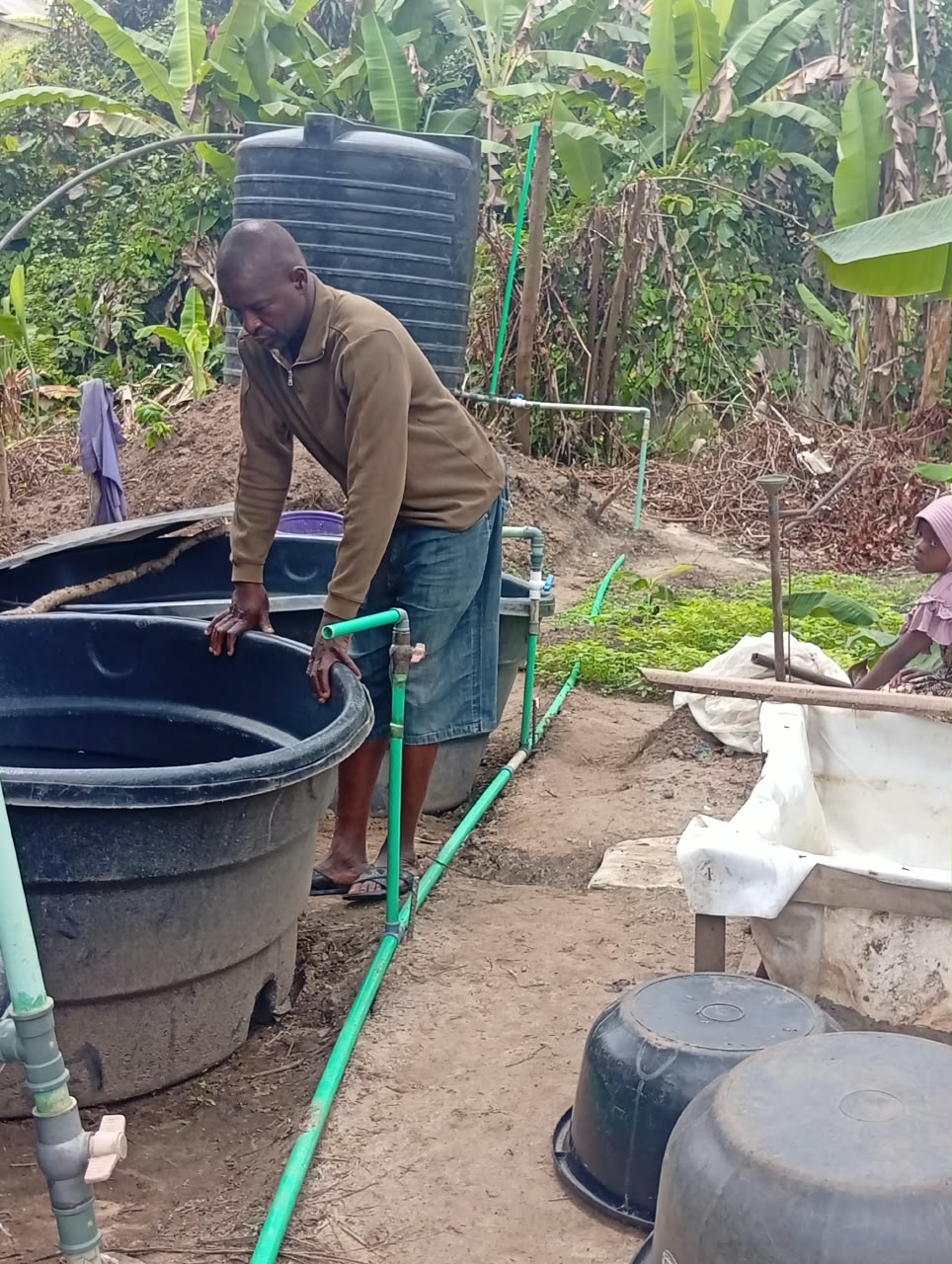
The man specifically encouraged him to consider catfish farming. When Adejobi completed his service year and returned home, he told his brother about what he had learnt. His brother subsequently introduced him to a friend who was already into catfish farming.
The encounter with the farmer became a turning point for him.
“The day I went to see him, I met him counting bundles of money. That alone convinced me that there was money in it. I knew that if I could stay committed to it, I could make money from it,” Adejobi recalled.
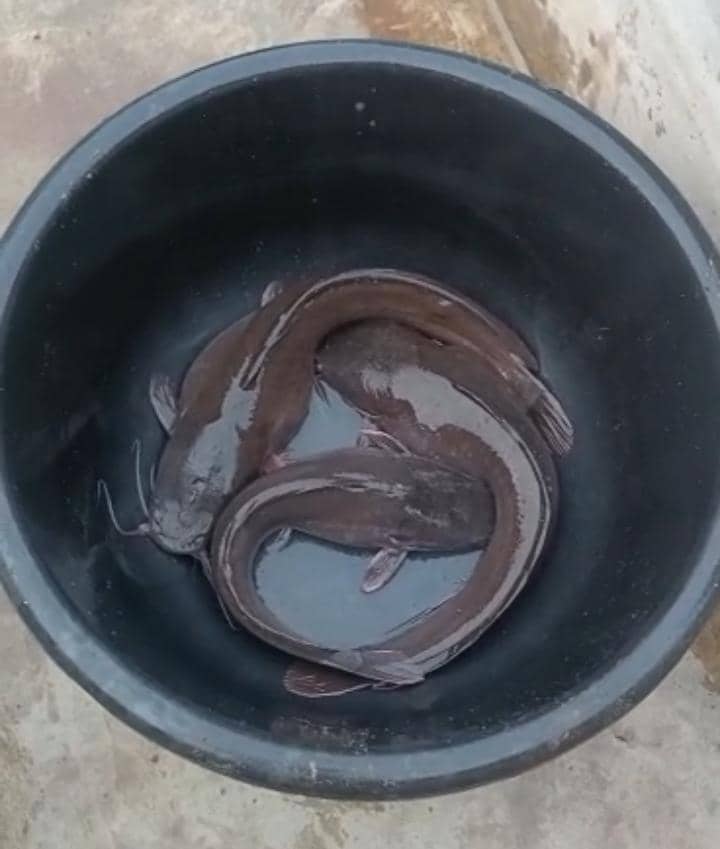
He learnt the basics of the business from the farmer and subsequently started with 400 catfish fingerlings in his father’s compound in Agege, Lagos, while retaining his paid job. “I fed the fish in the morning, went to work and fed them again when I returned,” he said.
READ ALSO:
For Adejobi, farming was not new to him. He recalled that he had reared chickens at home while he was still in school, an experience that had nurtured his interest in agriculture.
“I have always had an interest in farming, especially poultry, so when the man I met during my service year told me about it, it was not difficult for me to make the decision. I also have a business background. Business has always been part of me,” he said.
Capital
Adejobi didn’t have much challenges starting up his business. He used his savings from his salary and also got support from his father. “When I started, I was buying and selling. I was using the money from my sales to fund the business. When I also got a paid job I continued with my savings together with the support from my father,” he said.
Penetrating the market
Adejobi said he had little difficulty penetrating the market, as demand for catfish was already strong when he started the business. “After training with the man my brother introduced me to, he gave me three contacts, and that was enough for me to explore the market,” he said.
According to him, the demand for catfish also made it easier for new farmers to find buyers and establish connections. “Catfish is always in demand. Wherever you train, the trainer is always willing to share contacts with you because they cannot even meet the demand themselves. So, it wasn’t difficult for me,” he added.
Experience
Adejobi recalled three experiences that have remained particularly memorable in his journey as a catfish farmer. The first came in 2011, barely a year after he started the business, when he received a letter from the local government ordering him to stop his catfish farming operation.
According to him, residents in the area had complained that wastewater from his fish ponds was affecting the community because it was not properly channeled through an adequate drainage system.
“In that letter, they said I should vacate my business immediately. It was devastating. I was just new in the business and catfish is a perishable item. Where would I take them to?” he recalled. Faced with the risk of losing his farm, Adejobi reached out to people he knew at the local government for help. When he did, they told him they could not overturn the directive, but they could secure more time for him to relocate.
“They helped in extending the immediate notice to six months, and within the six months, I was able to get a space,” he said.
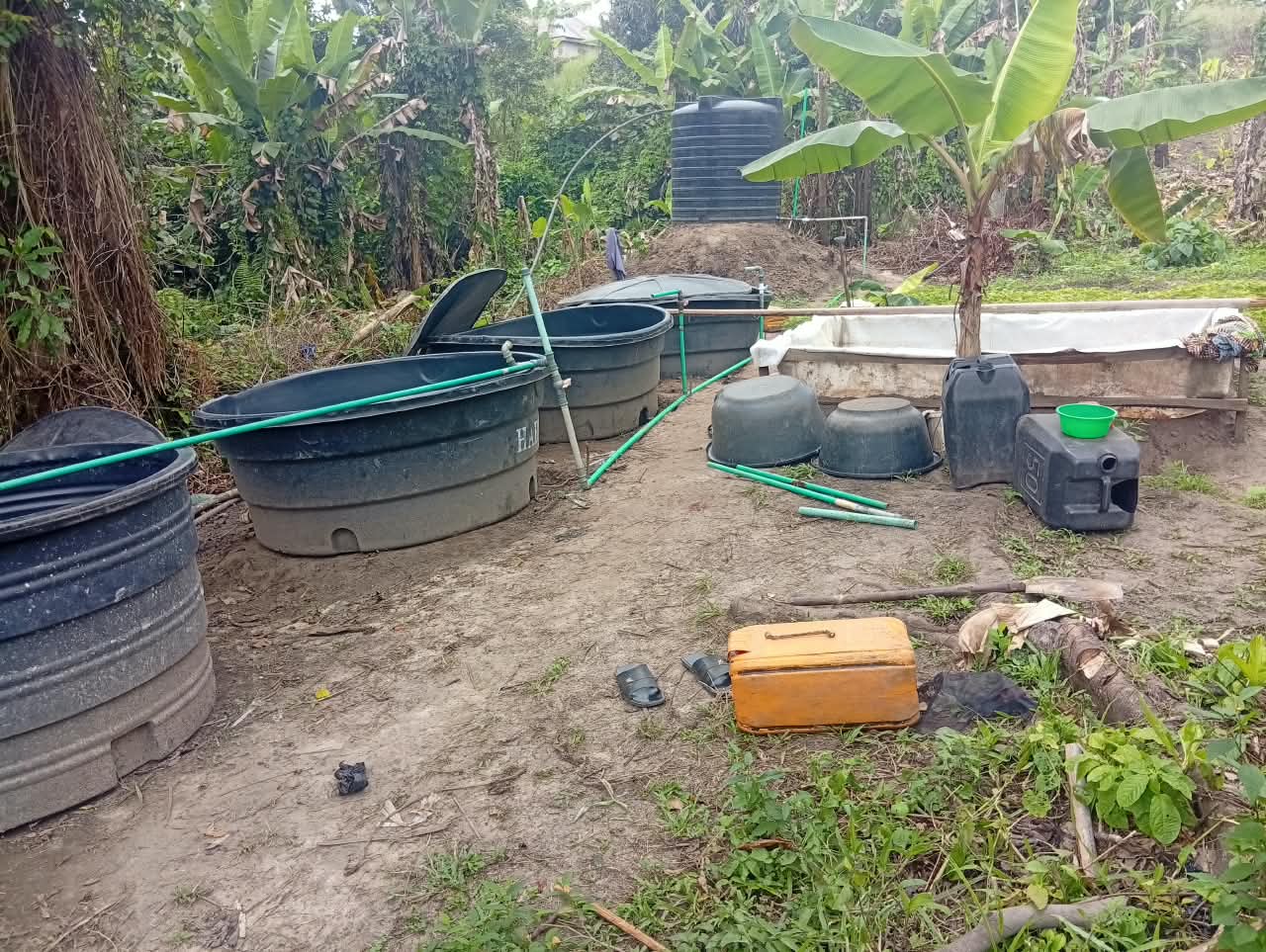
Another major setback came when Adejobi lost his fish to flood. He had acquired a piece of land for his catfish farming but did not realise how vulnerable the location was to flooding until heavy flooding swept through the area and wiped out his fish.
“It was a setback. I watched my fish drown in the flood,” he recalled. But the loss did not make him give up. Adejobi found another location within the area and became more cautious about choosing a site for his farm. “I got a place within the area. And this time, I was very careful with my choices. I had bought that place because breeding fish requires a swampy area, but I didn’t know it was totally a flooded area,” he said.
A change in business model
Another setback came in 2021, when thieves broke into Adejobi’s farm and stole about 3,000 mature catfish, leaving him with only 150. The loss forced him to rethink his place in the catfish value chain. “I felt so bad. I saw my money disappera. I had some imported fish that I brought in. Everything just went like that,” he recalled.
The experience eventually led Adejobi to change his focus from raising catfish through to the table-size stage, when they are ready for consumption, to concentrating on the production of fingerlings.
“With that experience, I thought it was wise for me to stop breeding the oversized (catfish). I concentrated more on fingerlings. My thought was this: if they come to steal, they can’t take the fingerlings because they won’t be useful to them. I can’t guarantee the security of my ponds. So, I do fingerlings and sell to those who would continue raising them for consumption,” he said.
Breakthrough
Adejobi’s breakthrough came during the COVID-19 lockdown in 2020, when restrictions made it difficult for him to sell his catfish. One day, while returning from his farm, he came across a gathering in his community. Residents had gathered to celebrate together as nobody could go to work. Adejobi began thinking about what he could contribute to the gathering.
He had 10 packs of catfish so he asked his wife to prepare two packs for the occasion. “My wife made it like peppered catfish and brought it for them. They were all impressed and asked where it was coming from. I told them it was from me and that it was the business I do.
“After they finished eating it, they were like wow. This is different from what they buy so they started ordering. Before we knew it, the remaining 8 packs finished that same day. Then I sat and said to myself what if I start smoking all the fish I have in my farm to sell since they were ordering more. I did and that was how I was able to sell all the fishes in my farm. We made so much money that I asked my wife, ‘What can we do with this money?’ We eventually used it to buy a small piece of land and started building there,” he narrated.
Business challenges
Access to funding poses a challenge for Adejobi. He said accessible government loans or grants would make it easier for farmers like him to expand their businesses. “I need more money to expand. And if you go to commercial banks for it, the interest rate is always too high to manage,” he said.
Japa
Adejobi said he has thought about Japa earlier in his life but he could not because he didn’t have the available funds. “Then, it was like N5m and above. But I didn’t have the money. Again, I was like even if I see the money will I just Japa with it like that? What if I get there and don’t secure a good job, or get deported? Then the money would be wasted. That was the last time I thought about relocating abroad. I decided that I would invest in my business and if I had or saw that kind of money it would add more to my business,” he said. The CEO of BreedField farms said he has chosen to stay in Nigeria to build his business.
About Adejobi

Adejobi was born in Lagos. He is a graduate of Accounting from the University of Ilorin and the Chief Executive Officer of BreedField farms where he supplies high quality, healthy and growing catfish fingerings. He also renders other services like; post, juvenile, broadstock, prime scrumble fish feed, oven dried catfish and catfish farming training.
Adejobi currently produces 100,000 catfish fingerlings monthly and believes access to adequate funding would enable him to expand production further.