




In a busy market in Aba, Abia State, where a baby bed known as Roomnet was selling for 4,500, Chinonso Obiagwu saw more than a product on display. At the time, the product was imported into Nigeria by merchants in Onitsha with a strong demand. Chinonso, then a final-year student of the Federal University of Technology, Owerri (FUTO), observed that traders could clear a 40-foot container of the product within a week.
By Eberechi Obinagwam
In a busy market in Aba, Abia State, where a baby bed known as Roomnet was selling for 4,500, Chinonso Obiagwu saw more than a product on display. At the time, the product was imported into Nigeria by merchants in Onitsha with a strong demand. Chinonso, then a final-year student of the Federal University of Technology, Owerri (FUTO), observed that traders could clear a 40-foot container of the product within a week.
He bought one, not for a baby, but to study how it was made and see if he could produce his own version. He took it home, tore it apart, the fabric, frame, stitching and sourced similar materials to build his own.

“I realised the materials cost me relatively little compared to the selling price. That was my aha moment”, he enthused. He made his own version and sold it for N3,500 with customers lining up to buy. That experiment became the foundation of Stemme Baby Care Nigeria Ltd, which has since 2013, produced and distributed more than 250,000 baby beds and other baby-care products.
In the beginning
Chinonso did not stumble into entrepreneurship; he was born into its assembly line. Speaking to TheNiche in an interview, he said the idea for Stemme did not start with him, but with his mother. Mrs. Stella Adaobi Obiagwu had already been in the baby-care business through her brand, Adorable Baby, which produces face towels, bibs, baby sponges, baby seaters, pregnancy pillows, baby clothing and other baby-care products. “So, I literally grew up around the business. Entrepreneurship was never something strange to me,” he said.
The influence extended to his maternal grandfather, who founded Tocofoam Industry Nig. Ltd., a well-known foam manufacturing company at the time and a member of the Manufacturers Association of Nigeria.
Growing up in Aba exposed Chinonso further to manufacturing and its strong entrepreneurial culture. “In Aba, you can literally see production happening in almost every corner. Most of it is small-scale manufacturing, but there is a very strong entrepreneurial culture,” he said. As he approached his final year at FUTO, Chinonso began thinking about what would come after graduation. He looked more closely at his mother’s business and started studying the baby-care industry.
Discovering the Stemme Baby Bed
“What I discovered really excited me,” Chinonso said. He realised the baby-care industry was enormous but still largely under-tapped locally. With millions of babies born in Nigeria every year, he reasoned that there would always be demand for products those babies needed.
READ ALSO:
TheNiche Young Entrepreneur: Adedoyin Adebisi wows fashion lovers with classy streetwear pieces
He explored different segments, including baby cosmetics, food, clothing, diapers and nappies, before turning his attention to baby furniture and sleeping products. As a fresh engineering graduate, baby beds particularly interested him because he saw an opportunity to apply his engineering background.
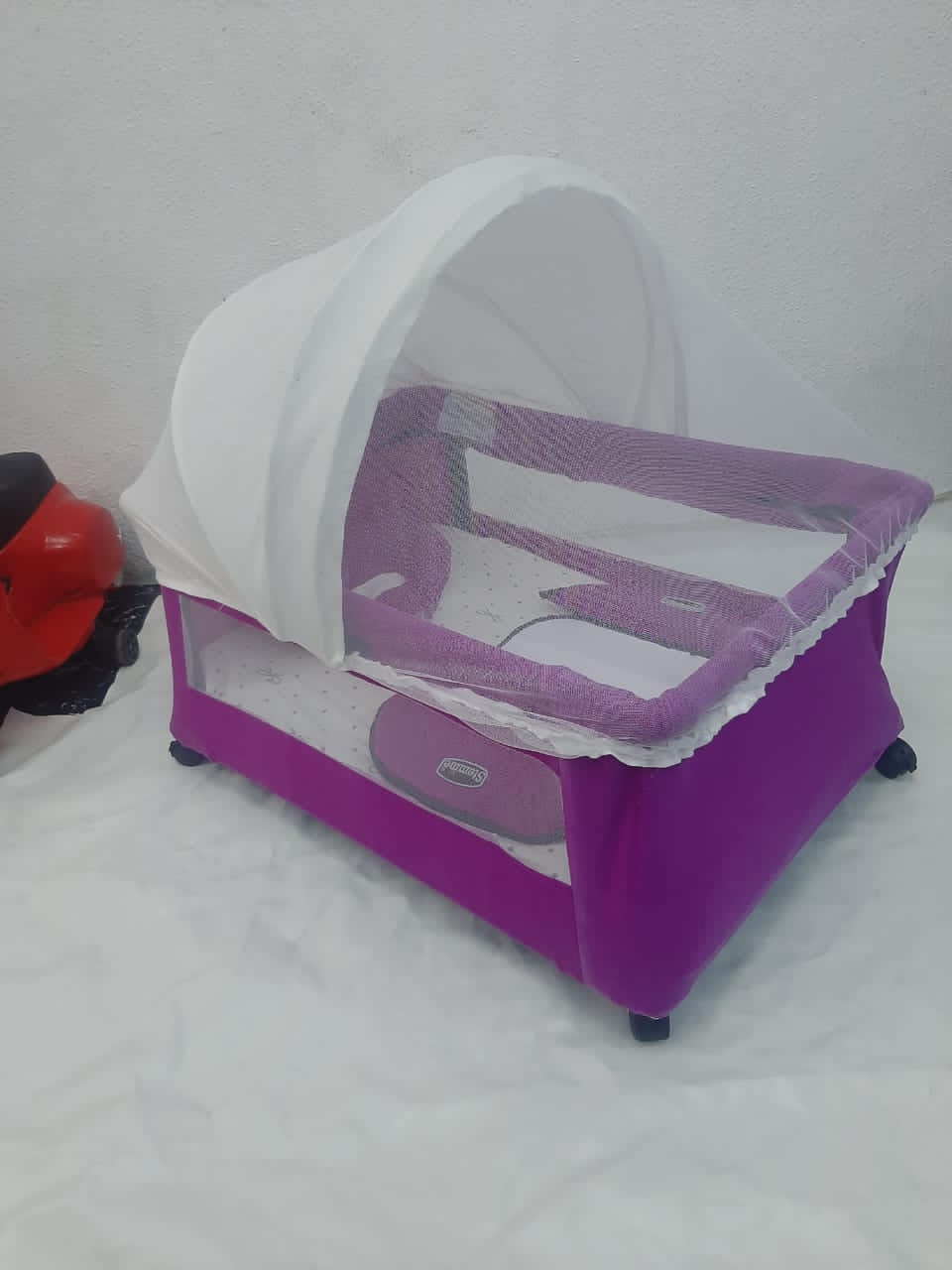
Then he came across Roomnet, an imported baby bed selling for about N4,500. Rather than buy it for use, Chinonso bought one to study how it was made. He examined the materials, sourced similar ones and began experimenting until he produced his own version. He said; “The interesting thing was that the materials cost me relatively little compared with the selling price. That was my aha moment.”
He began producing the bed and selling it for about N3,500. “I thought, there was a business here. Because demand was already there, customers started coming and opportunities began to find me,” he said.
Learning the business side
Chinonso learned the practical side of manufacturing from his mother, including how to use a sewing machine, understand fabrics and patterns, and navigate the production process. But turning the idea into a business required more. He learned to write a business plan as he sought the funding needed to get started. “I did because I was trying to raise capital to start the business properly,” he said.
Raising capital
To raise capital for the business, Chinonso approached his father, who had moved to Italy at the time, with his business plan. His father supported him and his mother with some of the machines and equipment they needed to get started. Within the same period, Chinonso came across the YouWiN programme, a Federal Government initiative designed to support young Nigerians with business ideas and provide seed capital to help them create jobs.
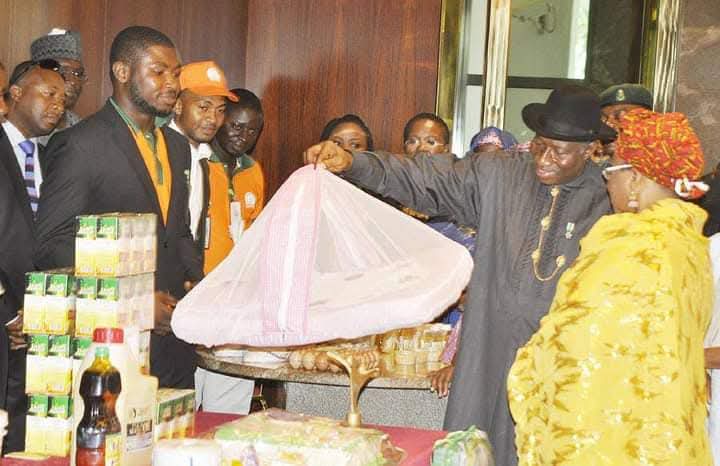
He applied and became one of the beneficiaries. “That became another major turning point for me,” he said.
The funding gave Chinonso the leverage to move beyond producing on a small scale and begin building a structured business. In 2013, he incorporated Stemme Baby Care Nigeria Ltd alongside his mother and father, who became directors of the company.
But securing funding was only the beginning. Chinonso realised that manufacturing required more than initial capital. “You need working capital, machinery, raw materials, electricity, transportation, staff, maintenance and many other things to contend with. So, our approach was simple: start with what we had, generate revenue, reinvest and keep growing,” he explained.
Penetrating the market
Chinonso said penetrating the market was not their biggest challenge initially because they entered an industry where demand for baby products was already strong.
His first baby-bed design sold for about N3,500, compared with the imported Roomnet, which sold for around N4,500. The price difference gave Stemme an advantage, but Chinonso said the strong demand for the product itself also helped the business gain traction. “Our first customers came through direct sales, baby product dealers, referrals and the existing network around my mother’s business,” he said.
As more customers bought the products and word spread, interest grew, Chinonso soon realised that producing the beds was only one part of the business. Getting them into the hands of customers required an effective distribution network. “Over time, we began supplying dealers and distributors and developing relationships in different markets,” he said. That approach gradually moved Stemme from producing a few units to manufacturing on a much larger scale.

Shutting down Stemme Baby Care Nigeria Ltd
Chinonso’s most painful experience came when he moved the business to Lagos. He initially thought moving production to Lagos would give the business an advantage because of the city’s commercial importance and proximity to the ports. But the move exposed a gap in his understanding of the supply chain. “I made a mistake. I didn’t properly understand the supply chain,” he said. He realised that though most of the materials came through Lagos ports, Aba remained a major hub for many of the materials he needed. Moving production to Lagos therefore made some raw materials more difficult and expensive for him to access which affected the company’s production capacity.
Then, came another setback. A distributor eventually recruited some of Chinonso’s employees after offering them attractive incentives. About five workers left the company, taking with them some of the production knowledge and patterns they had learnt and using them to make competing products.

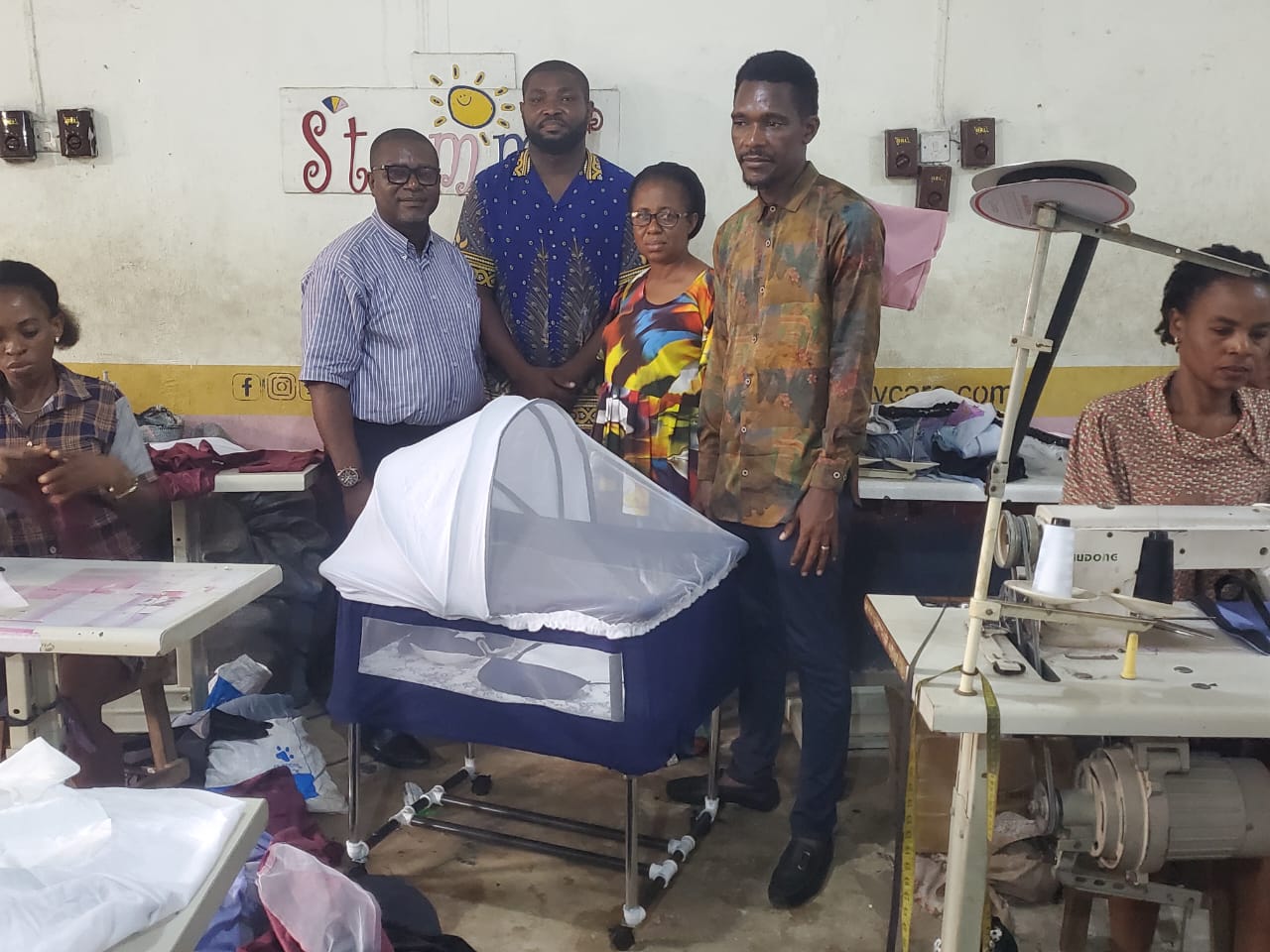
“That was heartbreaking,” Chinonso said. “You are building something, teaching people, investing your time and resources in them, and then you suddenly see some of those same people using what they learnt from you to compete against you.” The experience made Lagos a difficult chapter for him. Eventually, he moved production back to Aba, where the business gradually began to recover. Back in Aba, Stemme introduced more baby-bed designs and later expanded into bassinet production.
But another setback came. After introducing the Stemme Baby Bassinet and investing heavily in its promotion, Chinonso watched the product gain popularity and then saw copies flood the market. Different producers began making counterfeit versions, some using Stemme’s labels and designs.
The counterfeits made it difficult for the company to control the price, quality and customer experience. Stemme suffered significant losses and accumulated debts.
The problems were compounded by insecurity in the South-East, the border closure during the Buhari administration, poor roads and rising production costs, among the wider challenges of running a manufacturing business in Nigeria.
By 2022, Chinonso had reached his breaking point. On October 13, 2022, he announced on Facebook that he was shutting down the business. And this time, he did. “I had reached a point where I felt I had done everything I could,” he said.
Come-back
But the shutdown did not mark the end of Stemme. In the same year, 2022, he had a conversation with a consultant that changed his approach to business. The consultant asked him a simple question: why was he investing so much money in designing and promoting products without protecting the designs? The question made Chinonso rethink what had gone wrong. He realised that he had been spending heavily to develop products, build markets and promote them, only for others to copy the designs and enter the market soon after.
That conversation introduced him to the importance of intellectual property protection. He went back to the drawing board. This time, he designed the Stemme Baby Cocoon and, before pushing it aggressively into the market, protected the design.
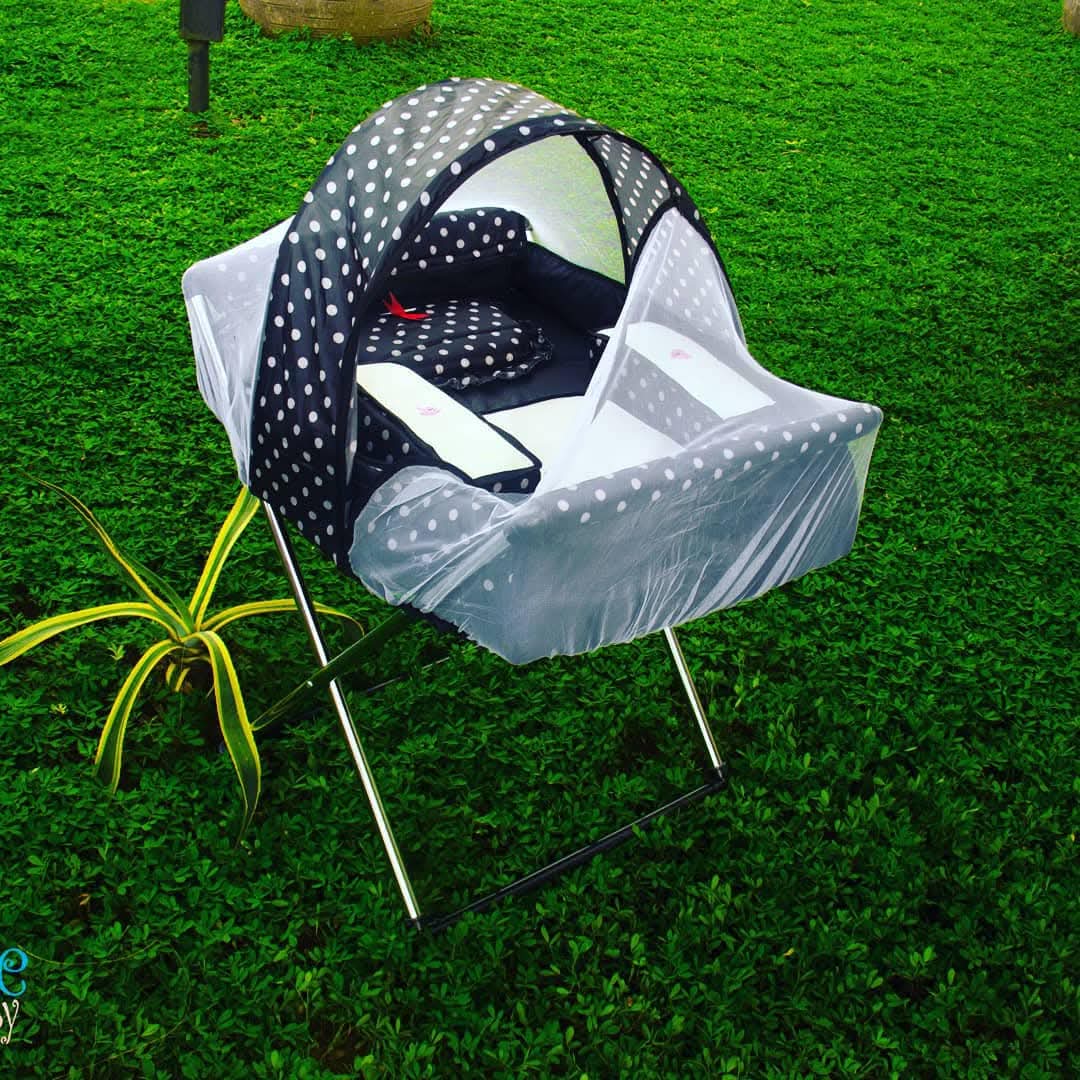
The product became a major turning point for Stemme. Interestingly, the first version did not have legs. “The market asked for legs, so I gave it legs,” he said, laughing.
The version with legs became the one customers connected with most. The Baby Cocoon went on to gain popularity in the market, while the protected design gave Stemme greater control than it had enjoyed with some of its earlier products.
For Chinonso, it was more than a successful product. It restored his confidence in the business. “It made me realise that sometimes what looks like failure is actually teaching you something you need to know before the next level.”
Business challenges
Rising manufacturing costs remain Chinonso’s biggest challenge, from raw materials and electricity to transportation, labour, machinery maintenance and logistics. He said the difficult part is that customers are also facing the same economic reality. So, the company cannot simply increase its prices every time production costs rise. Instead, it has to find ways to become more efficient.
Finding a solution
Stemme addresses these challenges by improving its production processes, reducing waste, sourcing materials more strategically and increasingly manufacturing some components in-house. The company is also investing more in recycling, using plastic waste to reproduce some of the plastic components used in its baby-bed production.
“We are also looking beyond the Nigerian market. Export is now a very important part of our strategy because we believe African markets present a huge opportunity for products manufactured specifically for African families,” he said.
For Chinonso, recycling is not only about environmental sustainability but also part of the company’s manufacturing strategy. “It helps us reduce waste, reduce our dependence on some external raw materials and improve our production efficiency,” he said.
Japa
Chinonso said he has thought about leaving Nigeria because of the economic challenges, but his motivation to stay is to see what he can build at home. “I have thought about Japa. I don’t want to pretend that the situation in Nigeria is easy. It isn’t. But I want to see what I can build here.
“I grew up in Aba, where I saw ordinary people manufacture products, employ people and build businesses. So, for me, there is something deeply personal about manufacturing in Nigeria.
“My ambition is to build Stemme into an international African brand while manufacturing from Nigeria. I want a baby product made in Aba to reach Ghana, Cameroon, Kenya, South Africa and eventually markets outside Africa.”
About Chinonso
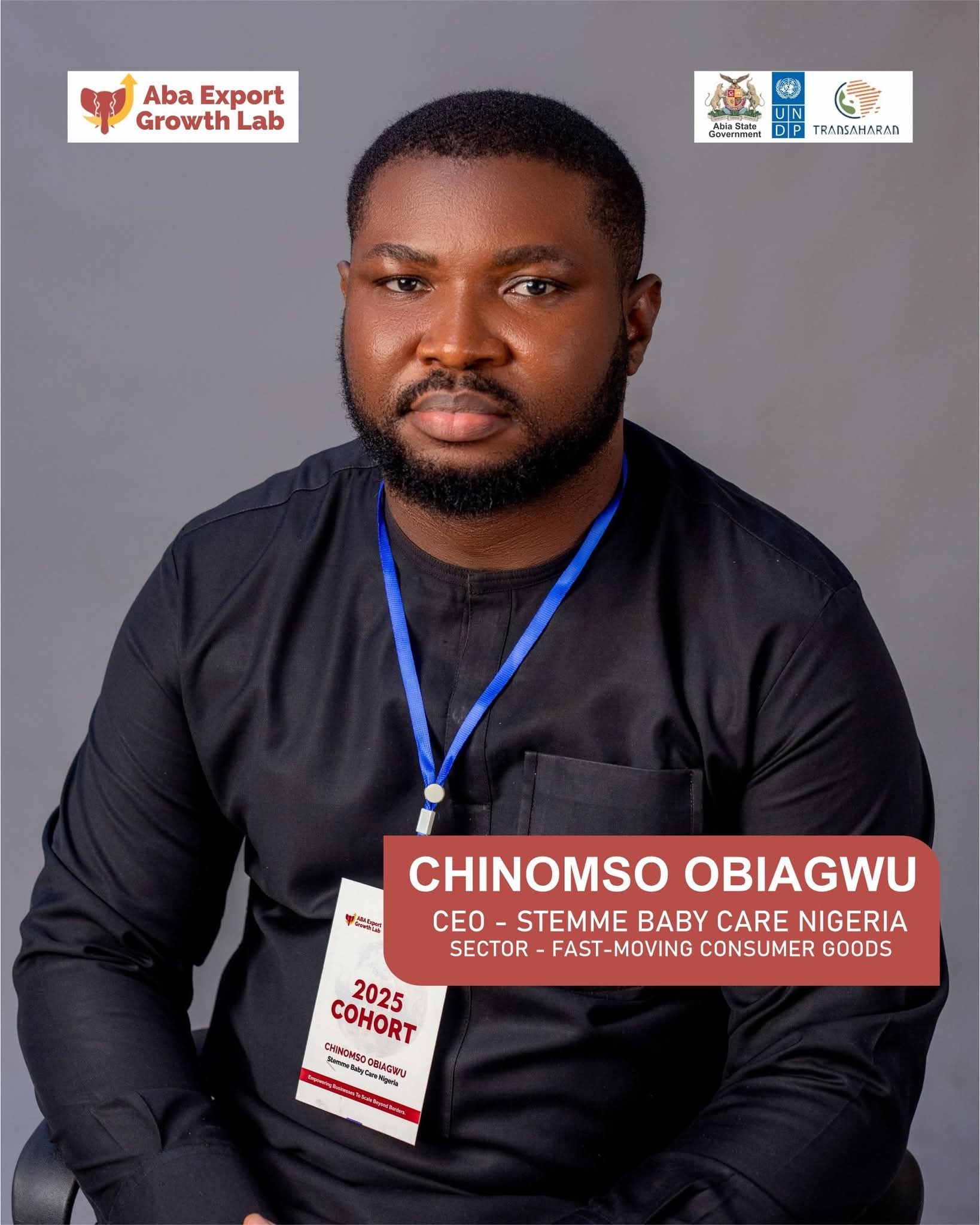
Chinonso Obiagwu is the CEO of Stemme Baby Care Nigeria Ltd. He is a 2012 graduate of Civil Engineering from the Federal University of Technology, Owerri (FUTO). He trained in Oracle Database Administration at NIIT and later received entrepreneurship and business-development training from the Enterprise Development Centre of Lagos Business School. Before fully committing to entrepreneurship, he gained industrial training experience with NPDC, a subsidiary of NNPC, and Modern Construction Limited, a building construction company.
Chinonso has received several awards and recognitions, including emerging as the Anambra State winner of the InnovateNaija Challenge organised by NASEN. He is scheduled to represent the state at the national competition in Abuja on October 6, 2026.
He has also benefited from the YouWiN! and Tony Elumelu Foundation programmes, received recognition under the Bank of Industry Nigeria YES Programme, and secured intellectual-property protection for some of Stemme’s designs, including the Stemme Baby Cocoon and Stemme Baby Bassinet.
Stemme recently obtained SON certification for its products and was among the first cohort of the Aba Export Growth Lab, sponsored by the United Nations Development Programme (UNDP) and the Abia State Government under Governor Alex Otti.


