
The Strait of Hormuz: Where geography, strategy and power collide
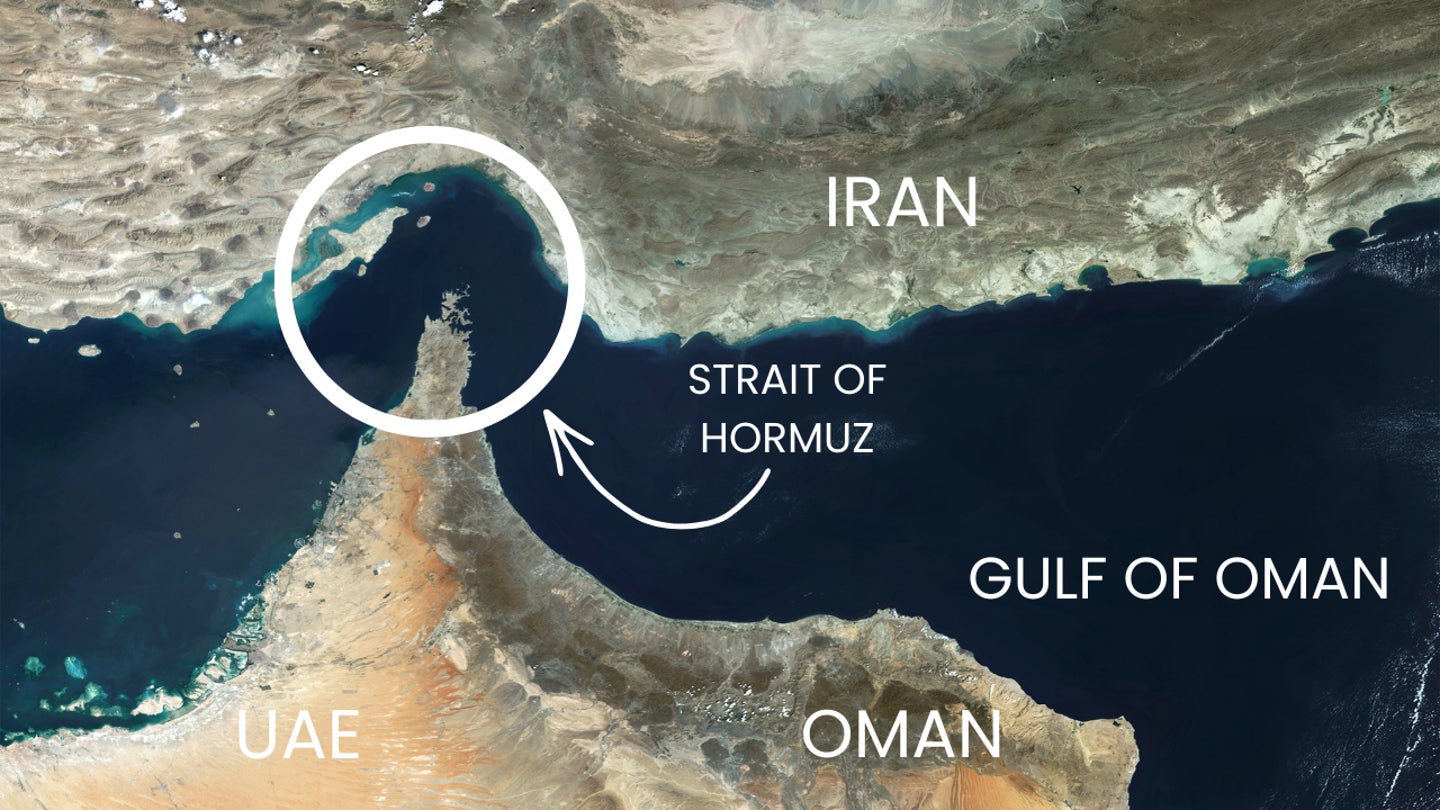
Strait of Hormuz
By Uche J. Udenka
The silent battlefield: Iran’s asymmetric war and the global price of conflict.
In modern warfare, victory is not always measured by tanks rolling into capitals or armies surrendering on the battlefield. Sometimes the most devastating victories are invisible — felt in fuel prices, food shortages, disrupted trade routes, and trembling financial markets. This is the logic behind Iran’s asymmetric warfare strategy in its confrontation with the United States and Israel. Iran knows it cannot defeat the combined military strength of Washington and Tel Aviv in a conventional battlefield contest. The United States possesses unmatched air power, global military bases, and technological superiority. Israel, on the other hand, maintains one of the most sophisticated and battle-tested militaries in the Middle East. A direct war would likely tilt heavily in their favour. But Iran is not fighting the war they want. It is fighting the war that hurts them the most.
Instead of seeking battlefield victory, Tehran seeks strategic pressure.
This pressure operates through an intricate web of proxies, missile systems, drone warfare, cyber capabilities, and control over one of the world’s most critical economic arteries — the Strait of Hormuz. The goal is simple: expand the battlefield beyond geography and into the global economy.
In this strategy, geography becomes a weapon.
Nearly one-fifth of the world’s oil passes through the narrow waters of the Strait of Hormuz. Tankers carrying crude oil from Saudi Arabia, Kuwait, Iraq, Qatar, and the United Arab Emirates pass through this corridor every single day. When tensions rise in that narrow channel, the entire global economy holds its breath. A single missile, a naval mine, or a drone attack on shipping can send shockwaves across the world’s energy markets. Oil prices spike instantly. Insurance premiums for shipping skyrocket. Global markets tremble. And every consumer — from factories in China to households in Europe and Africa — pays the price.
This is the real battlefield.
Iran’s strategy is not necessarily to close the Strait of Hormuz permanently. That would invite overwhelming retaliation. Instead, it aims to create uncertainty — an atmosphere where the mere possibility of disruption drives up the cost of global energy. Uncertainty is itself a weapon. The ripple effects move with frightening speed through the arteries of the global economy. Energy prices rise first. Gas follows. Then fertilizer. Then food. Then transportation. Then inflation. Then social unrest.
Modern economies are built on interconnected supply chains. When energy becomes unstable, the entire chain begins to shake. Farmers cannot afford fertilizer. Transport companies raise freight costs. Food prices climb. Airlines increase ticket prices. Manufacturing slows. And governments struggle to contain inflation.
The war that begins in the Middle East quickly arrives at the kitchen tables of families thousands of miles away. This is the essence of asymmetric warfare — turning economic vulnerability into strategic leverage. Iran amplifies this pressure through an extensive network of allied groups and proxies across the region. From Lebanon to Iraq, from Syria to Yemen, these groups operate as extensions of Iran’s strategic reach.
They open multiple fronts simultaneously. A rocket attack in one country. A drone strike in another. A cyberattack targeting infrastructure elsewhere. Each action forces the United States and Israel to divide attention, resources, and military deployments across multiple theaters.
Instead of one battlefield, there are many. Instead of one enemy, there are networks. And every additional front increases the cost of war.
Drones have become another equalizer. Cheap, precise, and difficult to intercept in large numbers, drones allow Iran and its allies to challenge far more expensive defense systems. A drone that costs a few thousand dollars can force an adversary to launch missiles costing hundreds of thousands to intercept it.
The economics of warfare are being inverted.
Cyber operations further complicate the battlefield. Financial networks, oil infrastructure, communication systems, and even water facilities can become targets. The modern warfront is not only in deserts or seas—it is in data servers, satellites, and power grids. In this new environment, the line between war and peace becomes dangerously blurred. But perhaps the most powerful element of Iran’s strategy lies not in missiles or proxies but in its ability to manipulate global economic anxiety. The global economy runs on predictability. Markets function when trade routes are stable, energy flows are secure, and geopolitical tensions remain manageable. Iran’s strategy introduces volatility into that system. And volatility is expensive. Every tanker rerouting around danger zones adds days to delivery times. Every military escalation raises insurance costs. Every disrupted supply chain adds pressure to global inflation.
The price of war becomes embedded in everyday life. Food becomes more expensive. Transport costs rise. Governments borrow more. Citizens grow restless.
In this way, Iran’s asymmetric warfare extends far beyond the Middle East. It reaches into Europe’s energy markets, Asia’s manufacturing centers, Africa’s food security, and America’s inflation statistics. This is war conducted through economic shockwaves. It is a reminder that the 21st century battlefield is no longer confined to soldiers and weapons. It includes ports, pipelines, data cables, shipping lanes, and commodity markets.
The irony of this conflict is that none of the major actors truly benefit from prolonged escalation.
A full closure of the Strait of Hormuz would cripple global energy supplies and devastate economies — including Iran’s own. A large-scale regional war would destabilize the entire Middle East. Global inflation would surge. Markets would panic. Trade would slow.
Yet wars have a dangerous habit of expanding beyond the intentions of those who begin them. Misjudgment, retaliation, and political pressure can turn calculated pressure into uncontrollable escalation. History has shown this repeatedly. The First World War began with a single assassination. The consequences reshaped the world. Today, the stakes are even higher because the global economy is far more interconnected than ever before.
A missile launched in the Persian Gulf can alter the price of food in Lagos, the cost of fertilizer in India, and the price of transport in Berlin.
This is the terrifying power of asymmetric warfare. It is war without borders. War without clear battle lines. War where the greatest casualties may not be soldiers — but ordinary citizens caught in the economic crossfire. And as the tension between Iran, Israel, and the United States deepens, the world must confront a sobering truth: The next global economic crisis may not begin in financial markets.
It may begin in a narrow stretch of water between Iran and Oman. A place where geography, strategy, and power collide. The Strait of Hormuz. A narrow passage. But a very wide trigger for global instability.