SON’s quiet revolution: As Nigeria leads Africa in renewable energy testing laboratory, other services
By Ishaya Ibrahim
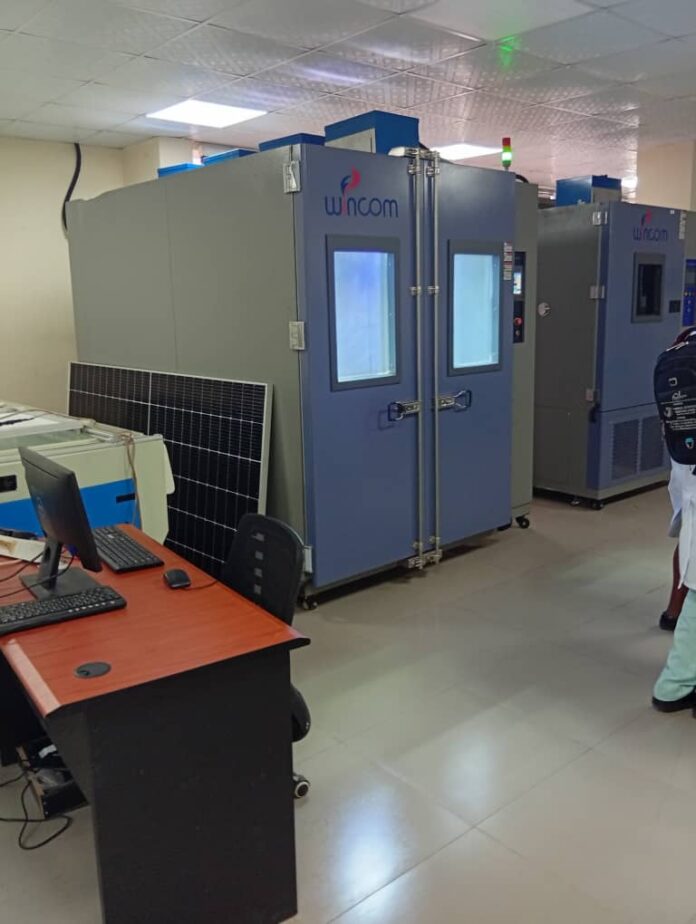
The Standards Organisation of Nigeria (SON) has, in the whole of Africa, become the first to own a well-equipped laboratory for the testing of renewable energy equipment.
This feat, which now guarantees that only solar panels and other renewable energy kits with globally acceptable standards are sold in the Nigerian market, is a boost in Nigeria’s green energy industry.
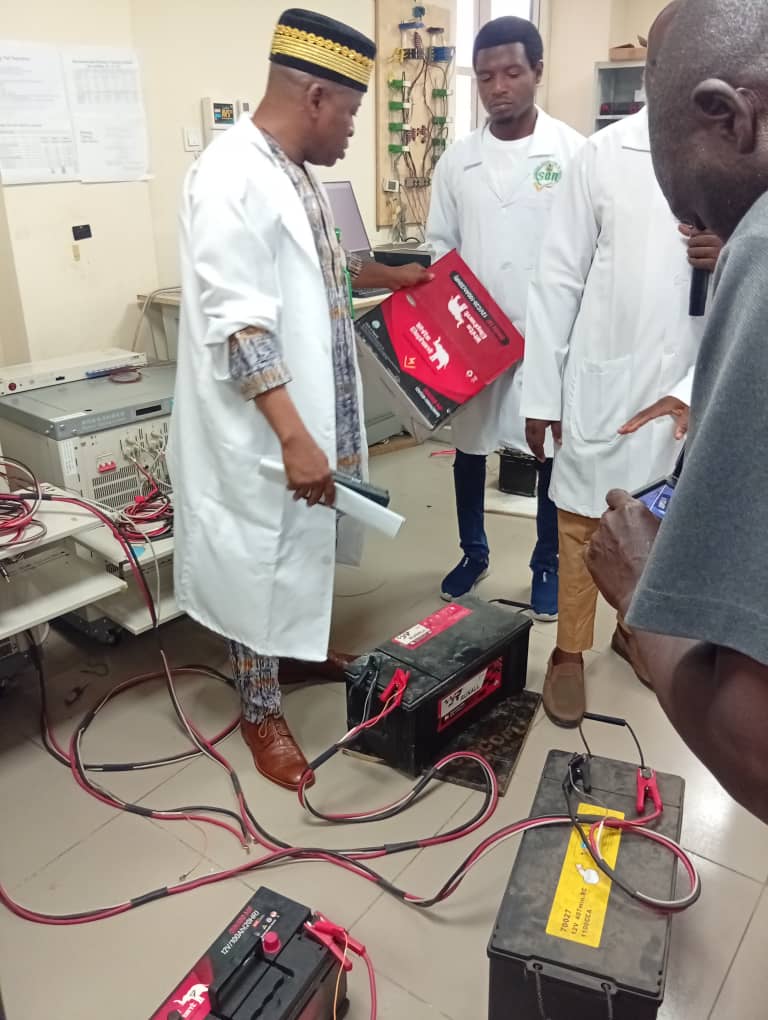
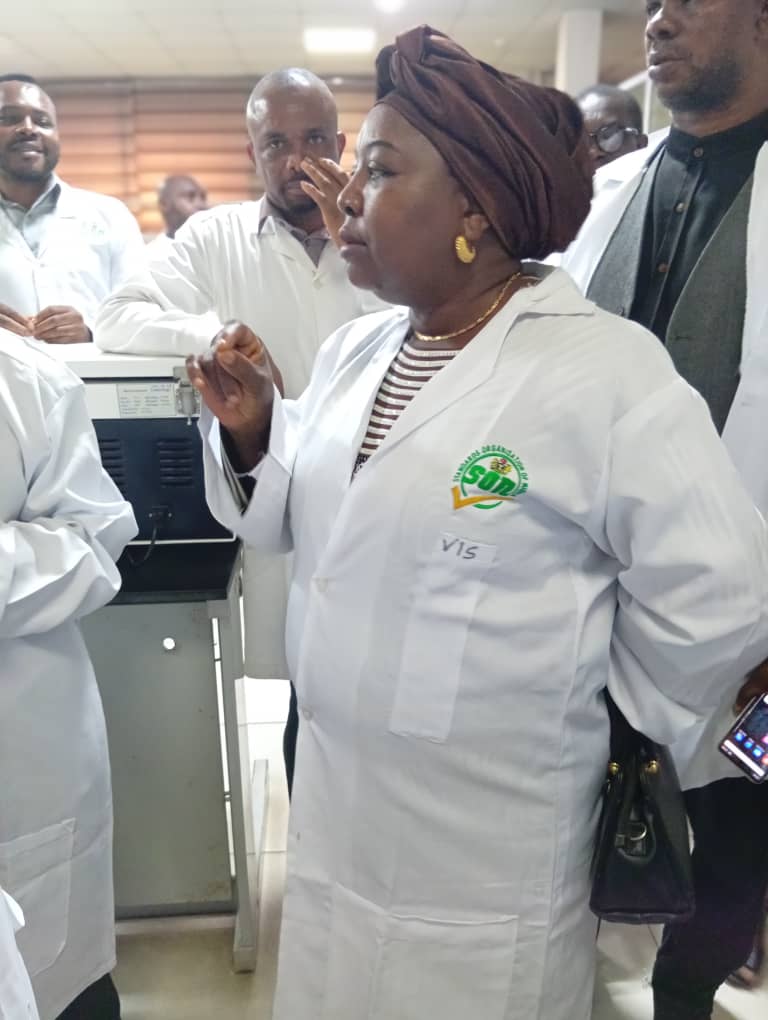
SON, the regulatory body that enforces the established standards in materials sold in Nigerian markets, made this disclosure during a training and tour of its facilities for journalists held on Tuesday, July 22, in Lagos.
Among the labs toured were: renewable energy, electrical and electronics, food, chemtech, textile, leather, civil, mining, building and others.
The training helped to demystify SON’s technical work – from setting standards to testing and certification – empowering journalists to translate complex issues into easily understandable language for everyday readers.
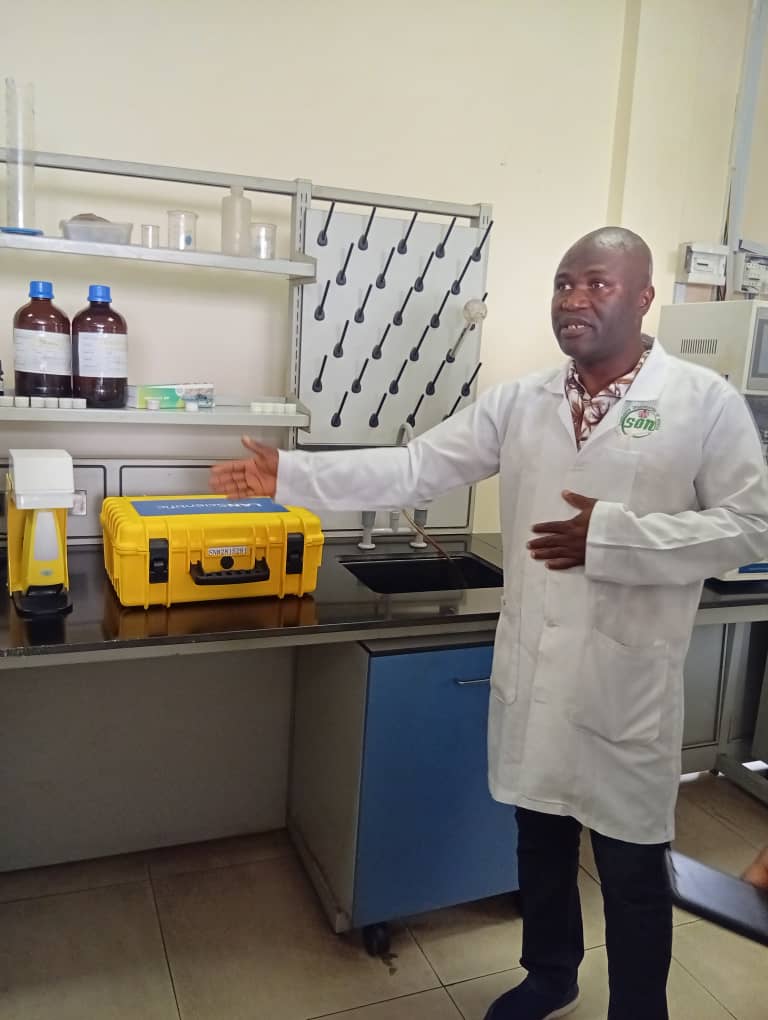
This groundbreaking work in SON is the result of its team of experts, led by the director general, Dr. Ifeanyi Chukwunonso Okeke.
Okeke, who was represented by Talatu Ethan, the director of Corporate Affairs, said the skill-up for journalists was in the pursuance of SON’s mandate, which is to do everything necessary to ensure compliance with the minimum requirement of Nigeria’s industrial standards by all its stakeholders. “That is our mandate. And we cannot do this alone without the support of the Commerce and Industrial Correspondence Association of Nigeria.”
The DG said equipping journalists with the right information about standardisation activities and the regulatory framework is essential to building the Nigeria of our dreams.
“You are the key translator between the technical language of standardisation and the everyday understanding of our citizens,” he said.
Okeke said the task of making made-in-Nigeria products to be globally competitive requires ensuring quality assurance. “In this regard, we ask you to take on the responsibility of becoming advocates of quality and champions of Nigeria’s industrial standard. You have a critical role to play in projecting Nigeria’s first policy,” he said.
He added: “We prioritize the patronage of locally made products, certified products, sensitising local manufacturers, MSMEs, and the general public on the importance of compliance with Nigeria’s industrial standard, promoting the benefit and visibility of SON’s key program, like Mandatory Conformity Assessment, known as MANCAP, and SONCAP, which is Standards of National Nigeria Conformity Assessment Program, product registration, laboratory services. We have so many labs, both electrical, electronic, food, chemtech, mending, textile and leather, civil, mining, and building.”
He said that with standardisation, Nigeria will enjoy the full benefits of African continental free trade. “We want our own product to also enter other African countries.”
He listed the benefits of standards and standardisation to include; ensuring that goods and services meet minimum safety and quality benchmarks, open regional and international markets for Nigerian products and services, especially under the African Continental Free Trade area framework, increase efficiency, reduce production costs, and improve the quality of output.
He added that standards promote sustainability and eco-friendly practices in production and service delivery.
The journalists were taken through training on different themes around standardisation, which include calibration, food safety, chemicals, civil building and laboratory, promoting organisational growth through management systems, and others.