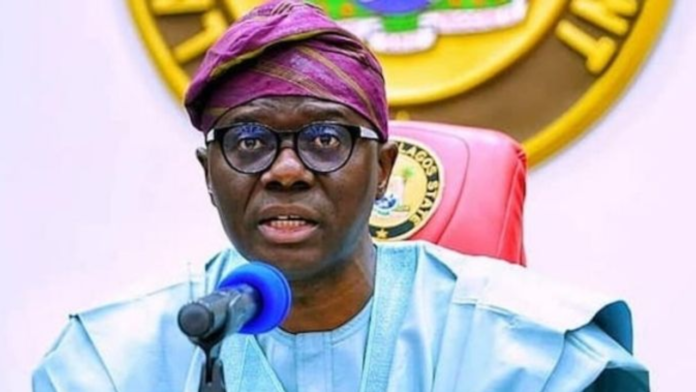
Sanwo-Olu explained that the executive order was not merely intended to compel enrolment, but to guarantee wider access to healthcare through insurance coverage.
By Kehinde Okeowo
Lagos State Governor, Babajide Sanwo-Olu, has said his administration will commence the enforcement of the compulsory health insurance coverage policy for residents of the state from 1 January 2027.
He made this known on Tuesday while launching the enforcement of mandatory health insurance under Executive Order EO/BOS/01 of 2024.
According to the governor, the government has set 31 December 2026 as the final day for residents of Lagos State to obtain health insurance.
In a statement issued by the Office of the Special Adviser to the Governor on Media and Publicity, Sanwo-Olu also introduced the Lagos Private Health Plans to provide insurance coverage for salaried employees and corporate organisations.
The new plans are expected to complement the existing Ilera Eko scheme, which caters to vulnerable residents and people working in the informal sector.
“Governor Sanwo-Olu gave every resident until 31 December 2026 to obtain insurance cover, with enforcement commencing on 1 January 2027,” the statement said.
Speaking at an event on Victoria Island attended by government officials, healthcare professionals, and stakeholders from the public and private sectors, the governor said the policy was designed to ensure that all Lagos residents could access quality medical services without facing financial difficulties.
ALSO READ: Sanwo-Olu promises Opebi-Odoiya Alaro Bridge will open to traffic before Christmas
He explained that the executive order was not merely intended to compel enrolment, but to guarantee wider access to healthcare through insurance coverage.
“The ultimate objective of the Executive Order went beyond enforcement,” he said, noting that it was “to ensure that every Lagos resident was covered by health insurance and could access quality healthcare services without suffering financial hardship.”
The statement added that Sanwo-Olu said individuals, employers, and workers were all required to participate in the social health insurance system, with the executive order outlining specific responsibilities for residents, businesses, and the government.
He explained that while Ilera Eko was designed for vulnerable groups and informal-sector workers, the newly introduced private health plans would cater to salaried employees and employers.
The governor also urged employers to treat workers’ healthcare as an essential business expense, just like pension contributions and other statutory employment obligations.
On emergency treatment, Sanwo-Olu stressed that healthcare providers must not deny patients urgent medical attention because they lacked money or insurance coverage. He said patients must first be stabilised before payment or insurance issues were considered.
He disclosed that 21 health maintenance organisations had agreed to participate in the new plans, describing the arrangement as a collaboration between the government and private-sector operators to widen insurance coverage and improve healthcare delivery.
Sanwo-Olu also appealed to medical professionals considering leaving Nigeria to reconsider, arguing that improved healthcare financing could help strengthen the sector and create a more sustainable environment for practitioners.