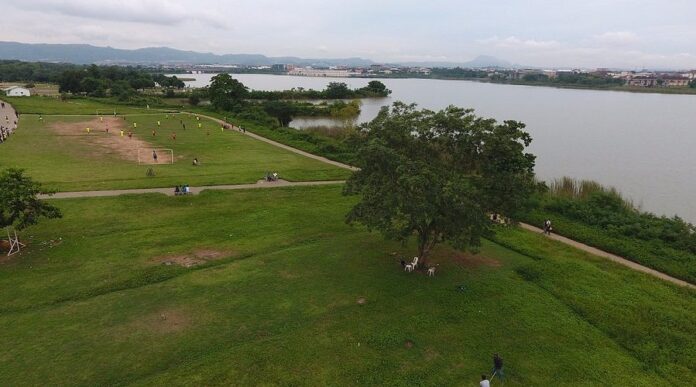
S4C warns: Turning Jabi Lake into residential-commercial hub threatens FCT’s ecosystem
A non-governmental organisation, Spaces for Change (S4C) has faulted the Federal Capital Territory Administration’s decision to grant development rights at Jabi Lake to private firms for a large-scale waterfront project, describing it as a potential threat to one of Abuja’s few remaining public green spaces and its delicate ecosystem.
A statement by S4C’s executive director, Victoria Ibezim-Ohaeri, said publicly available information shows that Suburban Broadband Limited and Akida Hills Limited have been issued Certificates of Occupancy for the redevelopment of the Jabi Lake area into a mixed-use hub featuring residential, commercial, and recreational infrastructure.
S4C noted that the planned transformation of the lake into a commercial hub raises critical questions about environmental protection, continued public access, and the overall direction of urban development in the Federal Capital Territory.
“Large-scale construction around a natural water body such as Jabi Lake threatens to disrupt delicate ecosystems, degrade water quality, and accelerate the loss of natural vegetation and open green areas,” the statement said.
The group warned that in a rapidly urbanising city already facing rising temperatures, protecting such natural spaces is vital for climate resilience, biodiversity conservation, and sustainable urban living.
S4C highlighted growing public concern and emerging protests over the project, saying they reflect broader anxieties about transparency, accountability, and inclusiveness in urban planning and resource governance across Nigerian cities.
The organisation called on the FCTA to provide full disclosure on the terms of the land allocations, the status and contents of any Environmental Impact Assessments (EIAs), and whether meaningful public consultations were conducted before the approvals were granted.
“Decisions affecting shared public assets must adhere strictly to the principles of transparency, environmental sustainability, and democratic accountability,” S4C stated.
It added: “Urban development must never come at the expense of public welfare, ecological balance, or the rule of law.”