



Nigeria’s problem is bigger than Tinubu
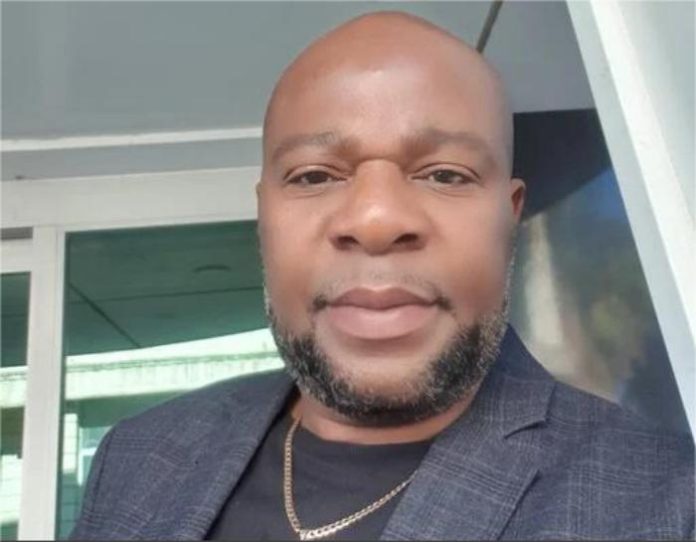
By Ogechi Okoro
Whenever Nigeria stands at the edge of political change, we perform a familiar dance: searching for a new saviour. We point fingers at the president, call for his ouster, and crown a successor with hopes bordering on the miraculous. Yet, after the dust settles, Nigeria remains unchanged. This cycle should teach us something.
Our biggest political illusion may be believing that swapping leaders at the top will magically transform the nation below. President Bola Ahmed Tinubu must answer for his administration’s choices, as every government should. But blaming all of Nigeria’s troubles on a single president is a shortcut that lets us avoid deeper truths.
Tinubu did not invent corruption, nor did he create political patronage or introduce impunity. He stepped into a nation where these flaws have outlasted both military and civilian regimes. The harder question is why we keep planting the same seeds and expecting a different harvest.
We cheer for what we claim to despise. Nigeria’s relationship with wealth is a paradox. We grumble about corruption, yet often applaud those who profit from it. When a politician amasses riches in office, his community throws a party instead of raising questions. Traditional titles are bestowed, religious leaders offer blessings, young people cheer, and his photos flood social media. The question is seldom, “Where did this wealth come from?” More often, it is, “How can he help us?” This is how corruption quietly becomes part of our culture.
Political closeness has become a kind of social currency. We admire the powerful, often ignoring how they got their power. We praise those who share their questionable fortunes and conveniently forget to ask if the money was ever truly theirs. This is not just a failure of leadership; it reflects society itself. When a politician steals public funds, he is guilty. But when society celebrates him afterward, we cannot claim innocence in the culture that keeps this cycle alive.
Our outrage now wears a selective mask. Nigerians are eloquent, crafting scathing columns and sharp social media posts. We denounce corruption with fiery words. But the true test is not our reaction when the guilty party is a stranger. It is what we do when the beneficiary is someone close to us.
We grumble about police officers asking for bribes, yet grow impatient when someone refuses to pay and our journey stalls. We criticise politicians for buying votes, yet pocket the cash during elections. We condemn officials for looting public funds, yet welcome them home with fanfare when they share the spoils. Our calls for accountability fade when the accused is our ally, relative, benefactor, or local champion. This is the hypocrisy we seldom confront. We cannot build an honest society if corruption is only wrong when it benefits others.
Nigeria does not need another Messiah. Our politics has become a stage for personalities, not principles. We hunt for heroes instead of building institutions. We focus on who will be president, not whether our courts, civil service, police, electoral bodies, local governments, and regulators are strong enough to check whoever holds power. This is why elections become battles of personalities, not serious debates about the strength of our institutions.
We must demand good leaders, but even the best leaders are limited by weak institutions. On the other hand, strong institutions can rein in even the worst leaders. Nigeria needs more than a new face in Aso Rock. It needs disciplined institutions and citizens ready to defend them.
Faith is no substitute for citizenship. Nigeria’s deep religiosity gives hope to millions, but trouble arises when faith replaces civic duty. We pray for better leaders while excusing the habits that reward bad ones. We pray against corruption while slipping bribes. We pray for justice while defending wrongdoing if it serves our interests.
God may answer prayers in mysterious ways, but He cannot stand in for working institutions, responsible citizens, or political accountability. People make politics. If we built these institutions, we must also fix them. We cannot keep asking heaven to solve problems we refuse to face ourselves.
The revolution must start at home. The battle against corruption cannot be fought only in Abuja; it must begin in our communities, at village meetings, in local councils, professional groups, religious circles, and families. When someone grows rich from public office, we should ask honest questions, not because wealth is always suspect, nor because success deserves punishment, but because public office should never be a ticket to unexplained riches.
Communities do not need violence to make a difference. They can strip questionable acts of their social approval. Traditional and religious bodies can refuse to turn shady wealth into honour. Citizens can demand answers, journalists can dig deeper, and law enforcement can act when evidence appears. The goal is not to persecute, but to hold accountable. We must make corruption shameful again.
We have made the abnormal feel normal. Nigeria’s greatest threat is not ignorance of our problems; we know them well. We know public funds are misused, institutions are fragile, bribery corrodes, patronage kills merit, elections can be rigged, and poverty leaves people open to manipulation. Yet we have adapted to these realities. This is how impunity becomes routine. The most dangerous moment is not when corruption shocks us, but when it no longer does.
We must teach integrity before we expect it. If Nigeria truly wants to break this cycle, change must start early. Schools should teach corruption not as a vague moral failing, but as a real social and economic wound. Children should see that when someone steals from the government, the victims are not faceless institutions; they are the child in a bare classroom, the patient in a crowded hospital, the commuter on a dangerous road, the family without steady power or clean water, the public servant struggling to do their job. Corruption leaves real victims behind. We must help our children recognise them. Civic education should be more than memorising the anthem or government offices; it should teach responsibility, integrity, accountability, and the cost of looking away.
Not everyone can be the next Dangote. We cannot build a nation where everyone dreams of being a billionaire, but no one wants to create the systems that make such success possible. A thriving society does not need everyone to be rich; it needs ordinary people to have extraordinary chances at decent, productive lives. That requires schools, hospitals, courts, roads, electricity, security, and strong institutions.
Nigeria’s political class deserves scrutiny. Our presidents deserve scrutiny. Tinubu deserves scrutiny. Every governor, senator, minister, local chairperson, and public official deserves scrutiny. But so do we. We must stop acting as if corruption lives only in government offices. It thrives wherever someone pays or takes a bribe, shields the corrupt, celebrates suspicious wealth, or stays silent because speaking up is risky.
Nigeria’s future cannot be shaped by swapping presidents while leaving our culture unchanged. We need better leaders, yes, but we also need better citizens. Citizens who refuse to sell their votes, refuse to praise dubious wealth, and refuse to defend wrongdoing just because the culprit is from their group. True patriotism is not about singing the anthem loudly; it is about guarding the public good when no one is watching.
Nigeria does not need another Messiah. It needs citizens ready to stop waiting for one. Changing the leader may alter the government, but only changing our culture will truly transform Nigeria.
- Dr Ogechi Okoro, a political and social analyst, writes from Hamilton, New Zealand.


