



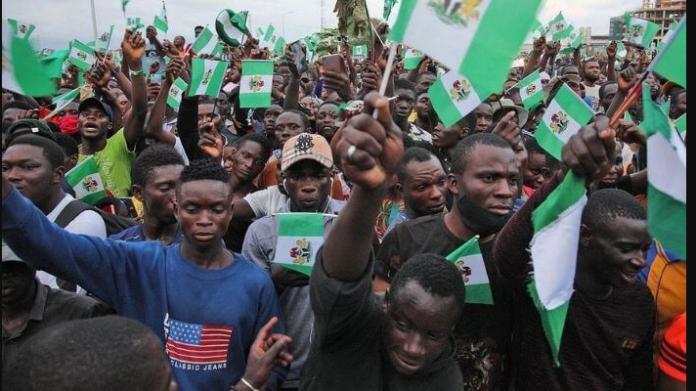
Nigeria gained its independence on October 1, 1960, marking a major turning point filled with high hopes for self-governance, economic growth, and national unity. At independence, the citizens had hoped that the country’s rich resources would be used to improve local infrastructure, education, and living standards rather than serving foreign interests.
By Aghanu Chinelo Vivian
Nigeria gained its independence on October 1, 1960, marking a major turning point filled with high hopes for self-governance, economic growth, and national unity. At independence, the citizens had hoped that the country’s rich resources would be used to improve local infrastructure, education, and living standards rather than serving foreign interests.
There was equally the belief that basic rights, local laws, and justice would prevail under a democratic federal structure.
The expectations, however, did not materialise in full measure. For instance, rather than the country functioning in unity, the division into three powerful regions (Northern, Western, and Eastern) fueled intense political competition for federal power. The rivalry among the regions and different political leaders, affected the growth and development of the country.
Other incidences that manifested in political tensions, corruption, and leadership challenges added pressure to the already fragile peace in the country, leading eventually to a civil war and periods of military rule.
READ ALSO:
Oct 1: NLC demands petrol price cut, wage award, new minimum wage
As Nigeria clocks 66, the question keeps surfacing in conversations across the country: are Nigerians better off now than they were then? Put in other words; how far have Nigerians come? Reactions and responses by Nigerians were varied
84-year-old Pa Elias, recalled a Nigeria marked by conflict. There were wars back then, frequent fighting and unrest that shaped his early years, he recalled. Notwithstanding the violence of that era, he insisted that in many ways, life was simpler and safer than it is now. Electricity was steady, he said. The cost of living was low. Governance, in his assessment, was more accountable, while the rampant kidnapping of today, was virtually unheard of.
A trader, Mrs. Folake, who is in her seventies, made similar nostalgic recollections. For her, the economic gap between the Nigeria of 1960 and the Nigeria of 2026 is wide in essence and circumstance. So much has changed, she said, arguing that measuring one era against the other may not be realistic. She spoke of a government that once gave relief to citizens, of extra salaries, of a police force that was approachable and friendly rather than feared. Corruption, she said, was less pervasive. People could move about freely, without fear that now defines public life.
62-year-old Zephaniah Aghanu, had fond memories of a Nigeria that, whatever could be its flaws, was conducive to ordinary life in a way that today’s does not. According to him, people trusted one another, communities cohabited peacefully. But now, he said, that trust has been lost. Bandits and herdsmen have become problems with Nigerians increasingly viewing one another with suspicion rather than warmth.
A consistent pattern of thought ran through the respondents bordering on regrets that security, trust, and economic stability have all declined since the early years of independence.
Though none of the respondents claimed the past was perfect, they yearned for a country that would be responsive to the aspirations of its citizens. As Nigeria marks 66 years of independence, these voices suggest that for some who lived through the earlier decades, the promise of progress has not always matched the reality. There is therefore the need for a change of focus and orientation by the leaders to give the people a sense of belonging.


