
Life in the diaspora: Understanding the classes of roads in the UK
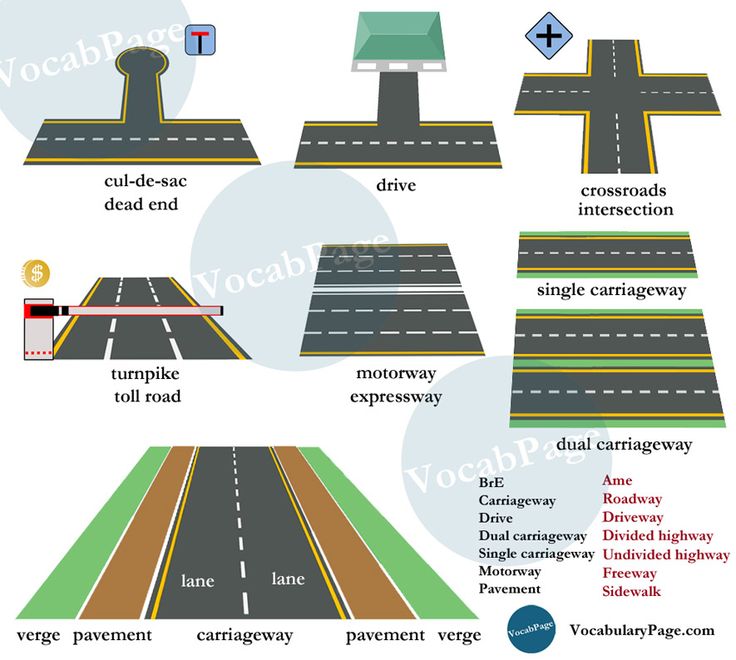
Road vocabulary – understanding different types of road markings in the UK

Motorway M1 in Yorkshire, example of an urban motorway.
By Mary Opii
When travelling around the UK, it is difficult not to notice the different road signs and numbers. Some roads begin with the letter M, others with A or B, while many residential streets and country lanes have no familiar road number displayed at all. These letters and numbers are not random. They form part of a road classification system designed to organise the network and help motorists identify the most suitable routes for their journeys.
For anyone settling into the United Kingdom, particularly those who are learning to drive or becoming more familiar with the road network, understanding these classifications can make travelling less confusing. The main categories include motorways, A roads, B roads, classified unnumbered roads and unclassified roads.
Motorways are generally the roads designed for longer-distance journeys and heavier traffic. They are identified by the letter M followed by a number, as seen in familiar routes such as the M1, M25 and M62. They are built to accommodate faster-moving traffic and have specific rules governing their use. Certain road users, including pedestrians, cyclists and learner drivers in ordinary circumstances, are not permitted to use motorways. Motorways also have particular entry and exit arrangements, with slip roads allowing vehicles to join or leave the main carriageway.
A roads are major routes intended to connect towns, cities and other important destinations. They are identified by the letter A followed by a number, such as the A1, A64 and A19. Some A roads are wide, busy dual carriageways, while others are ordinary single-carriageway roads passing through towns, villages and rural areas. This is an important distinction because an A-road classification does not automatically mean that a road is a motorway or that it has a particular speed limit.
B roads form another part of the classified road network. They generally connect smaller towns, villages and local communities, while also linking traffic to A roads and other routes. They may be narrower and carry less traffic than major A roads, although this is not always the case, particularly in built-up areas. A B road can be a useful alternative when travelling between neighbouring communities, but drivers may encounter bends, changing speed limits and narrower sections along the way.
There are also classified unnumbered roads, sometimes informally referred to as C roads. These are smaller routes that help connect residential areas, villages and other local roads to the wider network. They may not have a nationally recognised road number displayed on signs, but they still serve an important purpose in connecting communities.
Finally, there are unclassified roads. These include many residential streets, housing estate roads, rural lanes and smaller local routes. Although they may not carry the same level of traffic as motorways or A roads, they are essential to everyday life. They provide access to homes, schools, local shops, farms and other destinations that larger roads do not directly serve.
One interesting point is that road classification does not necessarily tell you the condition of a road, how wide it is or how fast you are allowed to drive. An A road can pass through a residential area with a low speed limit, while a smaller rural road may have very different conditions and hazards. Drivers must therefore pay attention to the speed-limit signs, road markings and other instructions rather than make assumptions based on the letter or number of a road.
The next time you plan a journey, notice the road numbers on your navigation app or roadside signs. The M, A and B classifications tell part of the story of how the UK’s road network is organised. Even the smaller roads without prominent numbers have an important place in that system.
Understanding these distinctions is more than learning what the letters on a road sign mean. It helps motorists make better-informed route choices, anticipate the kind of roads they may encounter and appreciate how the different parts of the network connect towns, cities and communities across the country.