Life in the diaspora: Click and Collect – shopping without the stress
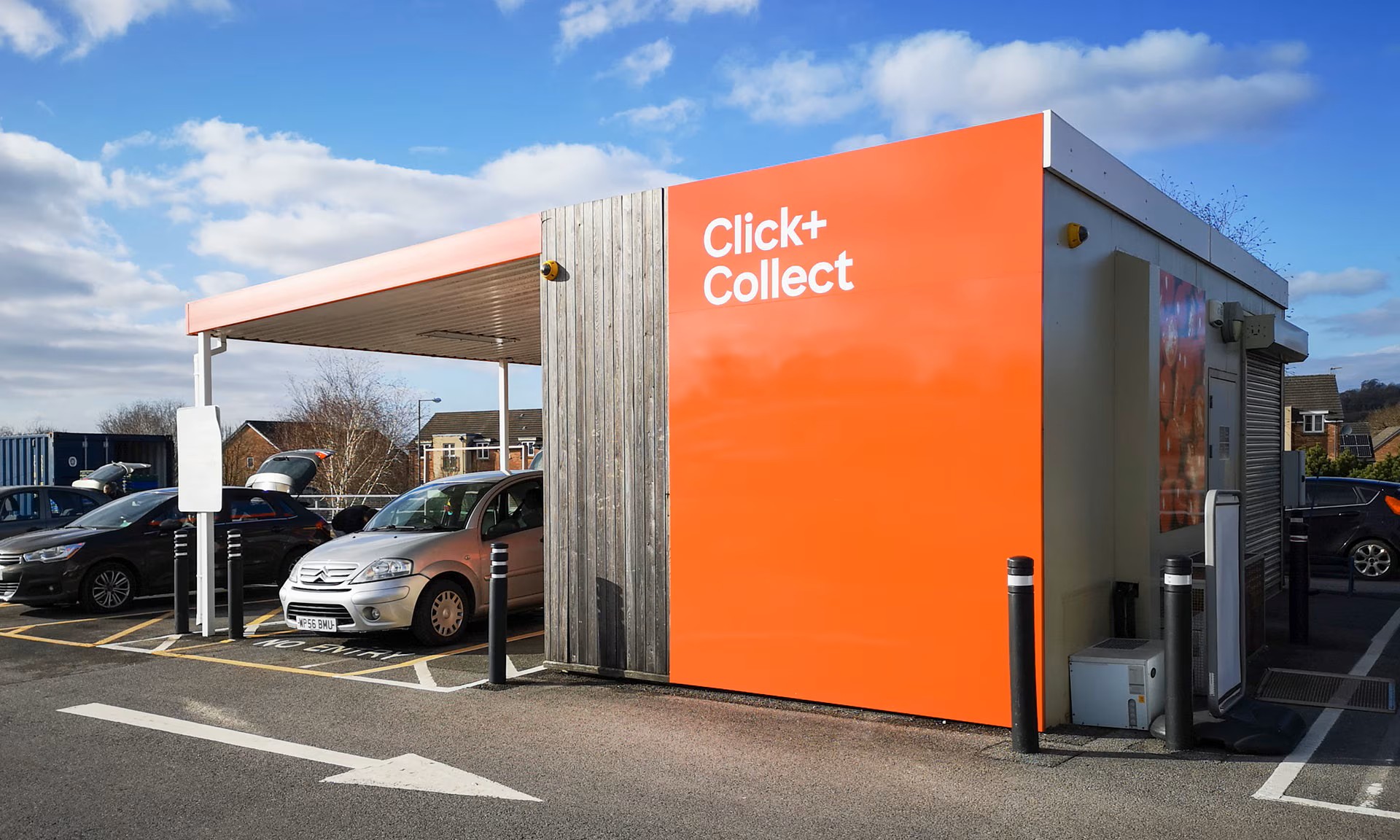
“Click and Collect” – also called buy online, pick up in-store – is a shopping model where you purchase an item online and collect it in person at a physical store, designated locker, or curbside rather than having it delivered to your home.
By Mary Opii
Adjusting to life in the UK often introduces systems designed to make everyday living more efficient. One of such systems is “Click and Collect,” a shopping method that combines online convenience with physical pickup.
At first, the concept may sound simple, order items online and pick them up at a designated location, but for many Nigerians, it represents a shift in how shopping is approached. Back home, shopping is often physical and immediate. You go to the market or store, inspect what you want, pay, and leave with your items. The process is direct and familiar.
In the United Kingdom, Click and Collect changes that experience. You browse items online, select what you need, choose a collection time, and then visit the store or pickup point when your order is ready. There is no wandering through aisles or standing in long queues.
The first time I used Click and Collect, it felt almost too easy. I placed an order and received a notification when it was ready. On arrival, I simply provided my details, and my items were handed over neatly packed. No stress, no delay, no impulse buying.
What stood out to me was the level of organisation. Time slots are respected, orders are prepared in advance, and the process runs smoothly. It reflects a system built on planning and efficiency; two values that are deeply embedded in everyday life in the UK.
READ ALSO: Life in the diaspora: Self-checkout – shopping built on trust and responsibility
Life in the diaspora: Closing time – when the shops close early
For Nigerians, this can take some getting used to. There is often a natural preference for seeing and touching items before purchase. Trusting that what you ordered online will match your expectations requires a shift in mindset. However, over time, many people begin to appreciate the convenience.
Click and Collect is especially useful for busy individuals. Whether it is groceries, clothing, or household items, the ability to shop without spending hours in-store becomes a major advantage. It also helps with budgeting, as you are less likely to make unplanned purchases.
I remember a time when I needed a few items but did not have the energy to walk through a busy store. Instead of postponing the shopping, I placed an order online and selected a convenient pickup time. When I arrived, everything was ready. That moment highlighted how systems like this are designed to fit into people’s lives, not disrupt them.
Another important aspect is reliability. In the United Kingdom, once a collection time is confirmed, it is expected to be honoured. This consistency builds trust in the system. People plan their schedules around these services, knowing they can depend on them.
Click and Collect also reduces crowding in stores, making shopping environments calmer and more organised. For those who prefer minimal interaction or want to avoid busy spaces, it provides a practical alternative.
Of course, there are occasional challenges. Items may be unavailable, substitutions may be made (especially with groceries), or collection points may be busy during peak times. However, these issues are usually handled systematically, with clear communication to the customer.
Living in the UK often means adapting to systems that prioritise structure, time management, and convenience. Click and Collect is a clear example of this approach.
For Nigerians in the diaspora, it represents more than just a shopping method, it reflects a different way of thinking about time and efficiency. It encourages planning ahead and trusting processes that are designed to simplify daily life.
And over time, what once felt unfamiliar becomes part of your routine. You begin to appreciate the ease, the order, and the predictability.
Because sometimes, the biggest change is not in what you buy, but in how you learn to buy it.