



By Emma Ogbuehi
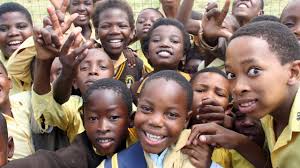
In line with established tradition, today, May 27 is Nigerian Children’s Day. First established by the United Nations in 1964, the day remains important in the lives of many Nigerian kids.
On this day every year, children are granted a holiday while several social activities are centred on them. Governments and organisations engage in different social activities to commemorate the event for the kids. It’s a commemorative day for the kids.
But beyond the activities lined up the various interest bodies to mark the event, the day calls for serious reflection on the state of the Nigerian child. The theme for this year’s celebration, is “Unite to reverse the impact of COVID-19 pandemic on children”. This summarises the task before the society in protecting the child. Aside the global pandemic. The Nigerian child has been a victim of various societal abuses ranging from rape, abduction, early marriage and other cultural practices. Some are denied basic parental care and attention. The excruciating economic situation in the country, makes their plight piteous.
Burden of the Nigerian child
This year’s celebration is expected to be low due to the biting economic situation in the country, the crippling state of insecurity and the ravaging impacts of the Corona Virus (COVID-19) pandemic, aside other factors.
Children are defined as those under 18 years. They are widely seen as the future of the nation and hope for a better society. Without them, the nation’s agenda for building a youthful and productive workforce is endangered and the basic family structure distorted. They are a bridge between the past and the present for the society to face the future. For this reason, developed countries invest in their children through education and technological advancement.
In sub-Saharan Africa, the situation is different. Apart from the COVID-19 pandemic that is taking toll on the economies and infrastructure of the continent, the plight of the African child is heavy ranging from sexual abuse to child labour and other neglects. Many children these days are growing on their own, as parents do not have special time for them.
The Nigerian situation is not different. Owing to poverty, illiteracy and some anachronistic cultural norms, some children, particularly the girls have been forced to early marriages, while others have been raped or subjected to various dehumanizing conditions. The boys in war-torn areas have been turned into child-soldiers while some have been recruited by insurgents in furthering the insecurity in the land.
The way out
In the face of the uncertainties relating to according the children their due, Nigeria has recorded some commendable moves in improving the rights of the child. The country, has for instance, adopted the Child’s Rights Act in 2003, giving legal consent to both the United Nations Convention on the Rights of the Child and the African Charter on the Rights and Welfare of the Child.
This confers on her, the responsibility for ensuring that the stipulations of the conventions are implemented in a uniform and coherent manner. The government also took on the responsibility of discouraging religious, cultural, customary or traditional practices that are inconsistent with the Charter.
Such noble efforts have however not been comprehensive and enduring. This is especially as some parts of the country hide under cultural norms to undermine them.
It rankles, for example, that only 25 of the 36 states in Nigeria have, adopted the Child’s Rights Act. 11 states, mostly in the North, have not domesticated the Act, leaving children in those states to practices like early marriage, female genital mutilation and begging. Currently, the country has about 13 million-out-of school children. Many children are also going through harrowing experience in their various homes and communities. The bottom line is that the future of the children looks very uncertain. This is saddening and portends a time bomb for all.
The Nigerian child must be given a pride of place in the scheme of things. Children need qualitative food, good and clean clothing and adequate medical attention to attain their optimal growth. For them to achieve their objectives in life, they have to be well catered for.
Government at all levels should tackle the identified problems of the children. We urge the government and civil society organisations to look into the welfare of children. If we neglect them, we neglect the future of the world. The neglected children of yesterday are the ones posing problems for the country, today. There is need to arrest the situation before it degenerates. Government should ensure that children of school age are in school. No Nigerian child should be excluded from the school system. Nothing should be considered much in encouraging the children attain their optimal growth.
In spite of the institutional and societal obstacles confronting the Nigerian children, the future holds much for them, if issues concerning them are being accorded commensurate attention.


