Bille: Stakeholders demand urgent action, pre-divestment liability clearance
Stakeholders at the 5th National Extractives Dialogue (NED2026) have called for urgent, coordinated action to address the worsening environmental and public health crisis in Bille Kingdom, Rivers State, warning that the situation could escalate into a major human catastrophe.
More than 120 representatives from the National Assembly, petroleum regulatory agencies, government ministries, host communities, traditional institutions, civil society organisations, academia and the media participated in the two-day dialogue held in Port Harcourt on September 29–30, 2026.
The dialogue, convened by Spaces for Change (S4C) in partnership with the Nigeria Extractive Industries Transparency Initiative (NEITI) and the National Oil Spill Detection and Response Agency (NOSDRA), focused on “Remediation Before Divestment and Energy Transition: Amplifying the Bille Environmental Crisis.”
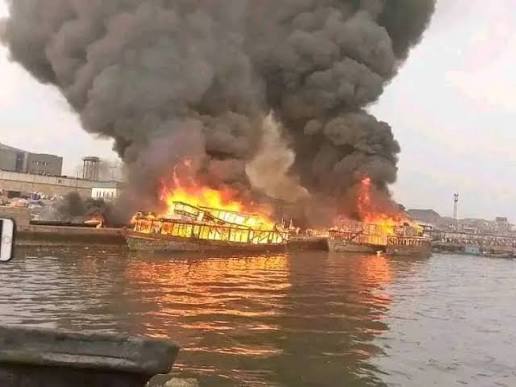
Community representatives reported severe water contamination, gas leakages, bubbling water sources, explosions, declining fishing and farming activities and growing health concerns.
Bille women and youths appealed for urgent intervention, with testimonies highlighting chest pains, skin conditions, fainting among children and other health concerns. Participants also reported that water scarcity had become severe, while fear of explosions had disrupted schooling.
The Chairman of the House of Representatives Committee on Host Communities, Rt. Hon. Dumnamene Robinson Dekor, described the situation as “a ticking time-bomb and serious public health and human rights crisis” requiring immediate and coordinated intervention.
NOSDRA disclosed that preliminary technical investigations had detected pollution in the soil, water and air in Bille. However, the agency said further investigations, including gas fingerprinting and additional testing, were required to establish the source and characteristics of the emissions.
The dialogue also warned that the Bille crisis could serve as an early warning for similar environmental risks across the Niger Delta, calling for continuous air-quality monitoring and transparent communication of scientific findings.
A major resolution of the dialogue was that environmental liabilities must be identified, valued, disclosed and independently verified before petroleum assets are transferred.
Participants stressed that “divestment is not supposed to mean abandonment,” insisting that companies should not be allowed to exit assets while unresolved environmental liabilities are left with host communities or the government.
The stakeholders called for a coordinated Bille response framework involving regulators, government agencies, operators, health authorities, technical experts and affected communities. They also urged the Rivers State Government to consider declaring Bille a disaster zone and work with emergency agencies on evacuation and emergency response plans.
They further demanded access to safe water, healthcare, livelihood support and environmental remediation, while insisting that women, youths and other vulnerable groups must have meaningful participation in decisions affecting their communities.
The dialogue concluded that Nigeria’s energy transition must address the environmental liabilities inherited from ageing, abandoned and divested petroleum assets, stressing that “responsibility must follow the asset, accountability must follow the evidence, and remediation must follow environmental degradation.”