Anne Ruffer: Nigerian Beneficiaries Pay Tributes to Late German Humanitarian
By Ishaya Ibrahim
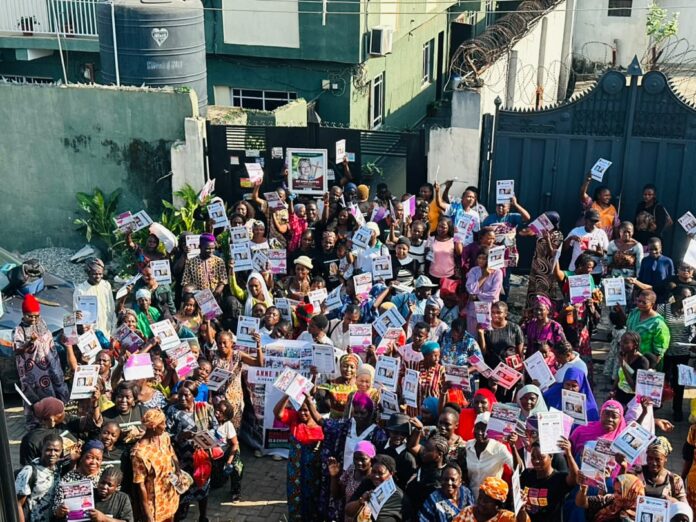
Nearly 200 women, including survivors of Female Genital Mutilation (FGM), domestic violence survivors, widows and indigent women, gathered at the headquarters of the NGO, CEE-HOPE in Lagos on October 15, 2026, to honour the late Switzerland-based German humanitarian and founder of Hearts100, Anne Ruffer, for her contributions to improving their lives.
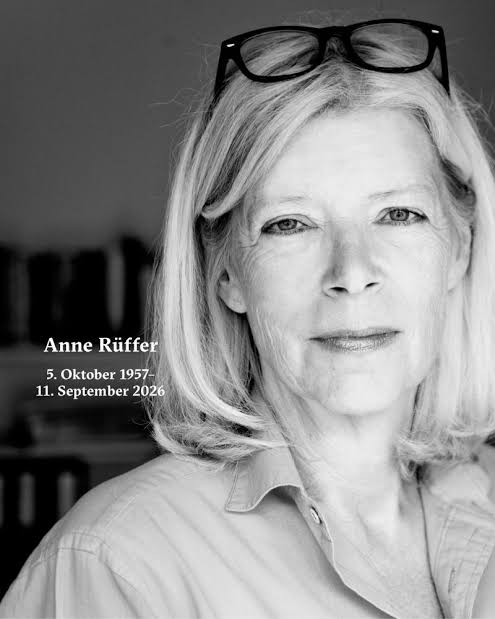
Ruffer, well known Zurich-based publisher, filmmaker and humanitarian, died on September 11, 2026, after battling cancer.
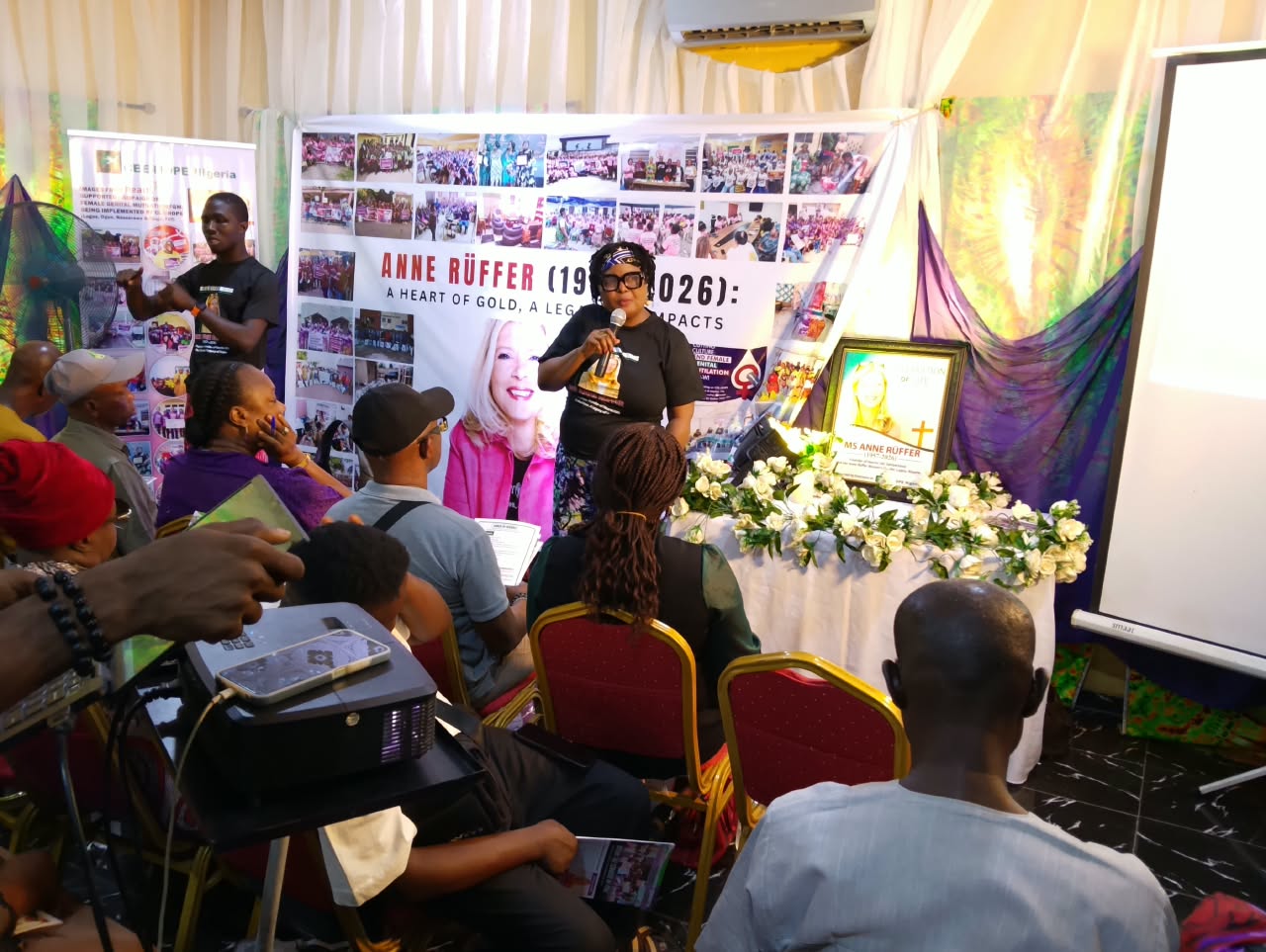
At the colourful memorial, beneficiaries and advocates recalled how her generosity helped provide food to struggling families during the COVID-19 pandemic, accommodation, physical and psychosocial support through the shelter she established for women and girls escaping abuse, support FGM survivors and provide livelihood assistance to vulnerable women in several states.
Through her partnership with CEE-HOPE Ruffer, besides the livelihoods support for women across seveal states, established the shelter for women escaping domestic and sexual violence. There, they are accommodated, fed, clothed and given accommodation and other support upon exiting.
CEE-HOPE’s Executive Director, Betty Abah, who worked closely with Ruffer although they never met in person, recounted how their partnership began around July 2020, at the height of the COVID-19 pandemic, when lockdowns and economic hardship left many families struggling to survive.
She explained that Ruffer was seeking organisations that could assist distressed families, single mothers and people experiencing abuse in Nigeria and Afghanistan.
Following an introduction through a mutual contact and CEE-HOPE’s supporter, environmentalist Dr Nnimmo Bassey, Abah submitted information about her organisation’s work. CEE-HOPE was subsequently selected to coordinate the initiative in Nigeria.
The intervention provided food and financial assistance to thousands of women across about six states in Nigeria namely Lagos, Ogun, Benue, Ebonyi, Kaduna and Plateau.
As the immediate effects of the pandemic eased, Ruffer encouraged the expansion of the intervention to address the needs of women and girls experiencing domestic violence, sexual abuse and homelessness especially in light of the well known spike in GBV during the period.
Abah described the shelter as a major intervention for women whose circumstances had left them with few options for escaping abuse amidst the acute shortage of such facilities in Nigeria.
She recalled cases of women who arrived at the shelter after fleeing violent homes, sometimes with their children and little more than the clothes they were wearing. Others, se noted, came bare-footed.
The shelter provided a place where they could find safety, support and an opportunity to rebuild their lives. Besides counselling, some learnt quick economic skills.
Ruffer’s support was instrumental in making the intervention possible.
Abah said one of the most remarkable aspects of Ruffer’s generosity was that she supported women whose faces she had never seen.
“She never met any of the women she supported,” Abah said.
Even when her health deteriorated and she could no longer raise funds as actively as before, Ruffer remained committed to the work. Abah said she connected CEE-HOPE with an organisation in Switzerland to help sustain its work on FGM prevention and support for the shelter and sent her personal funds. She remained committed until her last weeks on earth.
Abah encouraged those in attendance to learn from Ms Ruffer’s life of sacrifice and passion for humanity in light of human’s mortality and the ephemeral nature of material things and life itself.
Lekan Otunfodunrin, board chairman of CEE-HOPE, urged participants to draw inspiration from Ruffer’s example by supporting people in need, regardless of the size of their contributions.
“We don’t have to be millionaires. Your little kobo, your little naira can support,” Otunfodunrin said.
Rev..Sophy Mbanisi, founder of Healing Hearts Foundation, described Ruffer as a selfless humanitarian who continued supporting vulnerable people despite battling cancer. She urged beneficiaries and participants to sustain her legacy by helping others, regardless of their resources.
Mbanisi said Ruffer had lived a life of sacrifice and service, adding that her impact would endure through the lives she touched.
“We have lost a rare gem, but heaven has gained an angel,” she said.
Comrade Rufus Olusesan, National President of the Precision, Electrical and Related Equipment Senior Staff Association (PERESSA), described Ruffer as a passionate advocate for vulnerable people.
“She did not seek the limelight; she sought impact. She did not build a movement around herself; she built a shelter for others. In a world where giving is often publicised, she was a quiet giver. Her impact will live on for a long time in the lives of women and children who can now sleep safely because she cared,” he said.
Beneficiaries also shared accounts of how Ruffer’s support had helped them rebuild their lives.
One woman had spent months on the streets with her infant and another young child before being brought to the shelter. She and her children eventually received support for stable accommodation and business grant after five months at the shelter.
Another beneficiary, a mother of three, including twins, experienced homelessness after her husband abandoned the family. After spending several months at the shelter, she was supported economically which made her return to her home in Benue State.
A CEE-HOPE community coordinator, Mrs. Fatima Dawud, also shared about her FGM experience, how her parents divorced as a fallout of arguments over her father’s insistence on her being cut. The process, performed in the heart of Lagos in the 1990’s almost became fatal as she, at age nine, experienced excess bleeding.
Her father, a security guard, was arrested by his boss who was a military man. On his release, he returned back to his home in Borno, a broken man and died a few months later.
Mrs. Dawud has now become an anti-FGM campaigner, speaking out against the practice at CEE-HOPE’s meetings besides coordinating other women in her community, Monkey Village for CEE-HOPE’s activities including those supported by Hearts100.
Several others testified of her transformative impacts at the meeting which also drew participants, mostly women, from across several Lagos and Ogun communities where CEE-HOPE works with vulnerable women ans children.
According to the organisation, a second leg of the celebration of Life program for Anne Ruffer is billed for CEEHOPE’s Abuja office with community women as well.