Africa doesn’t need more foreign aid, it needs better laws — Gumbo
By Henry Nnaemeka
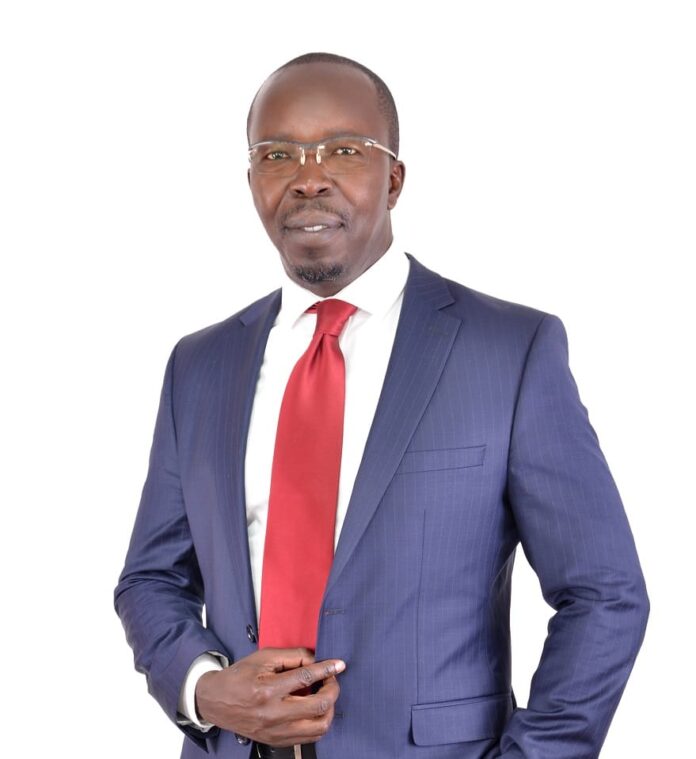
A legal practitioner, Eric Gumbo, has said Africa’s development challenge is less about access to funding and more about the strength of its legal and regulatory frameworks, pointing to Kenya’s ongoing reforms as a model for the continent.
Gumbo, a partner at G&A Advocates LLP with experience advising on sovereign funds and capital markets across East Africa, said Kenya is taking the lead in reshaping how African countries finance infrastructure by reducing dependence on foreign aid and debt.
According to him, the country has, in recent years, enacted a series of laws culminating in the creation of a KSh 5 trillion National Infrastructure Fund (NIF), designed to mobilise domestic savings and private investment for long-term development projects.
He explained that, unlike traditional models reliant on loans from institutions such as the World Bank and the International Monetary Fund, Kenya’s approach focuses on leveraging pension funds, private equity and retail investors to finance infrastructure locally.
Gumbo noted that Africa’s infrastructure gap is not due to a lack of capital globally, but a shortage of investable, low-risk projects. The African Development Bank estimates the continent requires between $68 billion and $108 billion annually to bridge its infrastructure deficit.
He attributed the challenge to regulatory uncertainty, weak legal protections and high sovereign risk, which have discouraged private investment and left large pools of global capital untapped.
On Kenya’s response, Gumbo said the NIF—established through legislation—acts as a buffer between government and investors by absorbing key legal and sovereign risks at the project level, thereby lowering investment barriers.
He added that the framework is expected to streamline financing processes, align incentives between public and private stakeholders and provide a stable platform for development finance institutions and domestic fund managers.
Beyond infrastructure financing, he pointed to efforts to broaden public participation in national assets, citing the recent 65 per cent initial public offering of the Kenya Pipeline Company on the Nairobi Securities Exchange, valued at about KSh 100 billion, as a step towards democratising ownership.
Gumbo also highlighted plans to establish a sovereign wealth fund to manage resource revenues and support long-term investments, with provisions for intergenerational benefits.
He noted that Kenya’s strategy reflects earlier successes recorded in Rwanda, Botswana and Mauritius, where strong legal and regulatory systems helped attract investment and sustain economic growth.
Citing data from the World Bank, Gumbo said a 10 per cent increase in infrastructure investment could raise long-term GDP growth in emerging economies by up to two percentage points.
He, however, stressed that the success of Kenya’s framework would depend on transparency, accountability and strong governance, as well as insulation from political interference.
Gumbo added that the reforms signal a broader shift across Africa towards self-financed development models, with potential lessons for countries such as Nigeria seeking sustainable alternatives to debt-driven growth.