Dyslexia Foundation trains 207 Akwa Ibom teachers to spot and support struggling learners
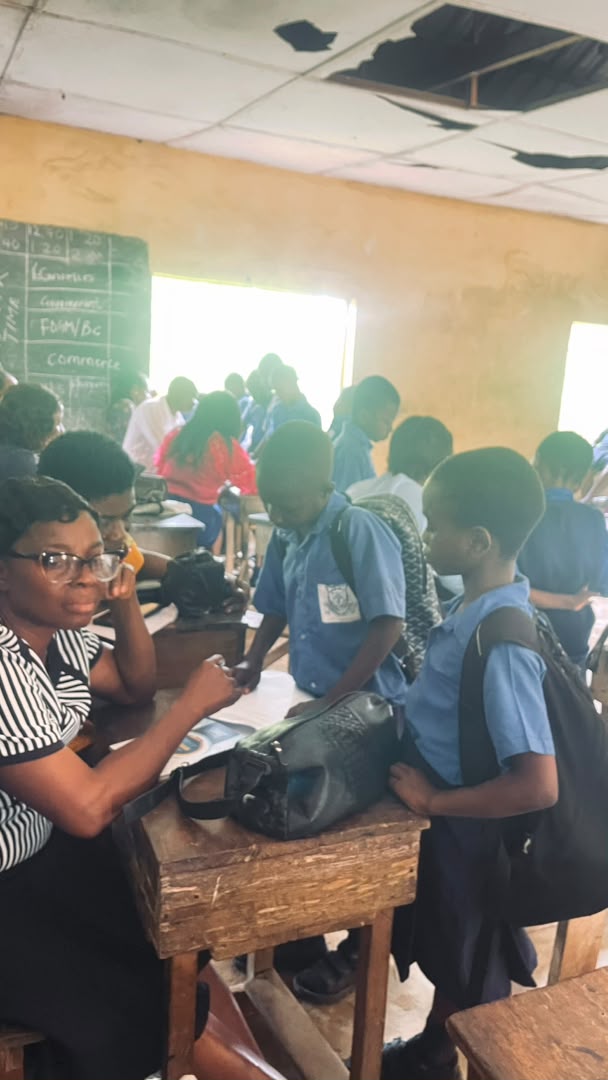
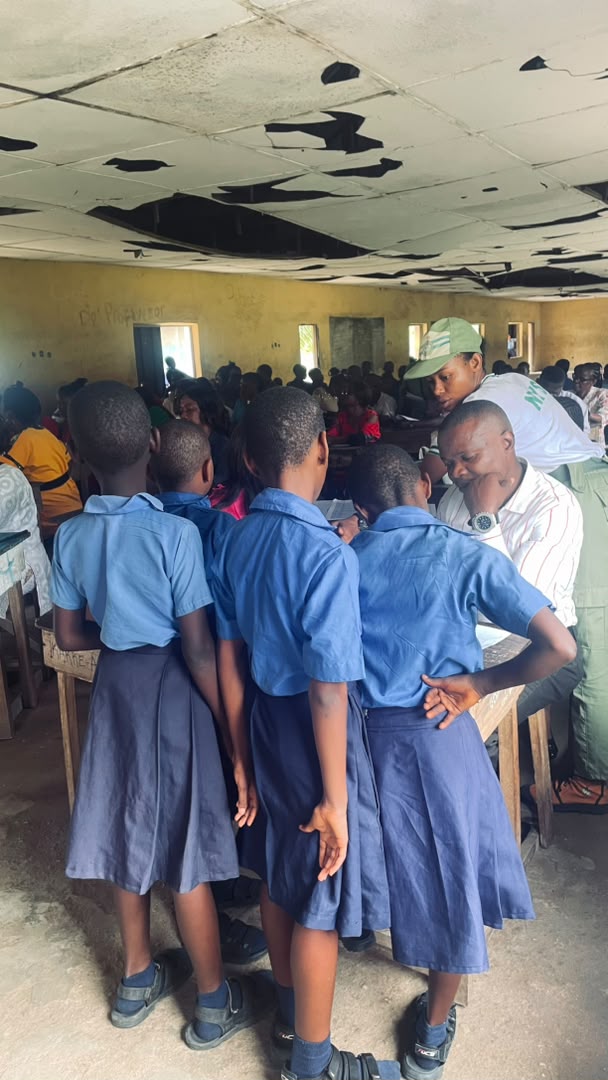
Dyslexia Foundation Nigeria, in partnership with National Youth Service Corpse (NYSC) has trained 207 teachers in Uyo, Akwa Ibom State, to recognise the early warning signs of dyslexia and other learning difficulties and to support affected pupils in ordinary classrooms.
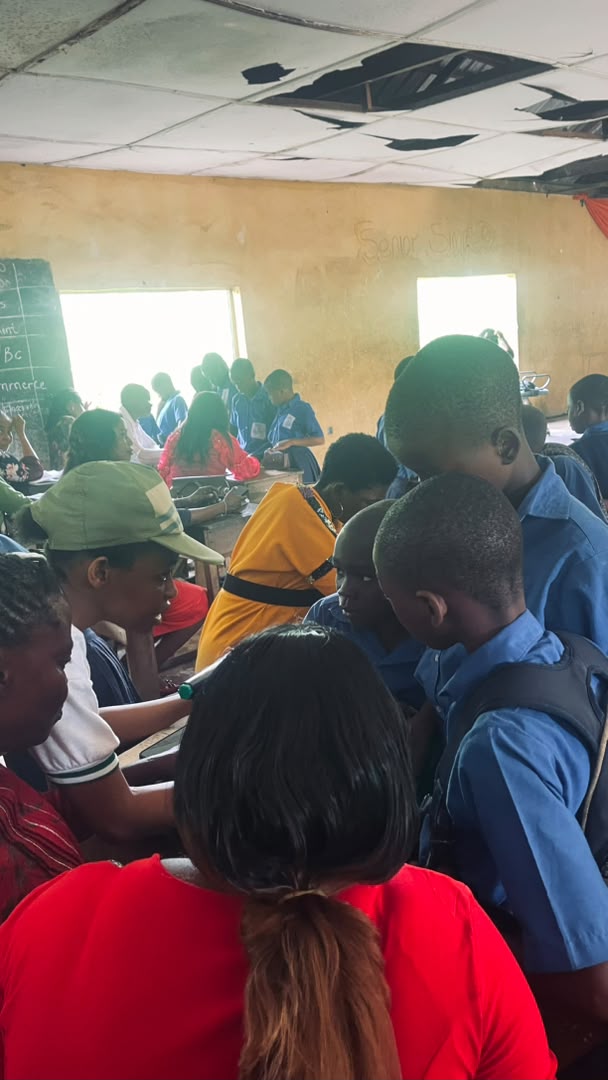
The three-day workshop, titled “Helping Every Child Learn,” held from 26th to 28th October 2026 at Community Secondary Commercial School, Ikot Oku Okubo Offot; Community Secondary Commercial School, Ikot Oku Ikono; and Offot Ukwa Secondary School. It was planned for 100 teachers, but demand more than doubled the turnout to 207. Participants came from public, mission and church-owned primary schools across the Offot/Uyo and Ikono areas.
In many Nigerian classrooms, children who read slowly, reverse letters, struggle to spell or cannot keep pace with classmates are labelled “lazy,” “dull” or “unserious.” In reality, many of these children have dyslexia, attention difficulties or other learning differences that can be identified and supported. Large class sizes, limited specialist support and low awareness mean such learners often go unnoticed, repeat classes, lose confidence or drop out of school.
“Teachers are the first and most important point of identification,” the organisers noted, adding that equipping them with simple, low-cost strategies is among the most effective ways to improve learning outcomes at primary level.
Through short presentations, case studies, group work, role plays and hands-on practice, teachers were trained to: Understand dyslexia and learning disabilities, and dispel myths that these reflect low intelligence, laziness or lack of effort.
They also learned to spot red flags in reading, writing, spelling, numeracy, memory, attention and behaviour.
Also they learned the use of multisensory teaching, adapted instructions, flexible assessment, peer support and positive reinforcement with existing resources and large classes.
Each teacher or school team also drew up an action plan of three strategies to start using immediately.
Organisers reported a clear shift in attitude, with teachers moving from viewing slow learners as unwilling to understanding that many have specific, identifiable learning differences. Many participants shared examples of pupils they now recognise as possibly dyslexic. Evaluation data show: Average knowledge scores rose from 20 per cent before the training to 75 per cent afterwards.
80 per cent of participants rated the training “good” or “excellent.”
82.2 per cent said they would apply the strategies immediately.
Participants also asked for further training, teaching materials and follow-up support.
Organisers noted challenges including large class sizes, limited resources, the absence of formal screening tools and referral services in schools, and stigma among some parents and community members.
To sustain the gains, Dyslexia Foundation Nigeria and Brain Training & Development Centre recommend: Follow-up school visits and virtual check-ins within three to six months, with refresher training.
Teacher resource packs, including red-flag checklists and multisensory activity cards.
One trained inclusion champion in every school.
A basic screening tool and a clear referral pathway for children needing further assessment.
Awareness sessions for parents, PTAs and school management to reduce stigma.
Engagement with the Akwa Ibom State Ministry of Education, the State Universal Basic Education Board (SUBEB) and local education authorities to support scale-up and policy backing.
The organisers thanked the participating teachers, head teachers, school management and all partners and stakeholders who made the training possible.
Dyslexia Foundation Nigeria works to raise awareness of dyslexia and other learning difficulties and to promote support for affected learners. Brain Training & Development Centre is its training partner on this programme.