




Life in the diaspora: The Nigerian experience in the UK – Self-checkout – shopping built on trust and responsibility
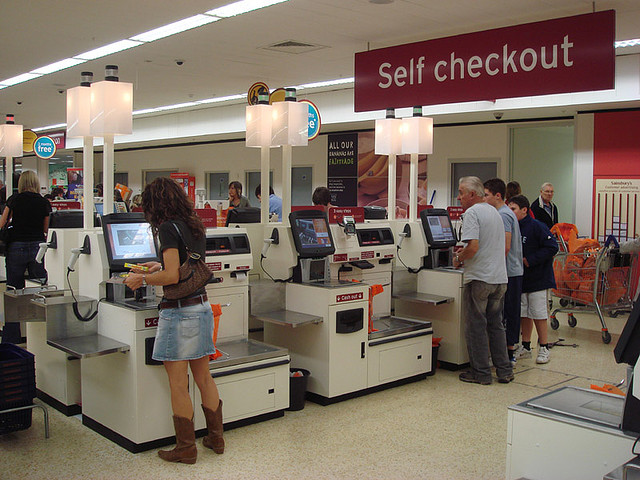
Customers scanning purchased items and processing payments without the help of a cashier in a London supermarket
By Mary Opii
Shopping in the United Kingdom introduces many Nigerians to a system that feels both convenient and surprising, the self-checkout. Instead of waiting for a cashier to scan items and process payment, customers are often expected to do it themselves.
In many supermarkets across the United Kingdom, like Tesco, Asda, Sainsbury’s, Aldi, Primark, M & S, etc., you pick your items, walk to a machine, scan each product, pay, and leave, all without interacting with a staff member. At first glance, it feels unusual. For those coming from environments where transactions are closely monitored, this level of independence can be more than surprising.
The first time I encountered a self-checkout system, I paused for a moment, watching others to understand how it worked. People moved confidently; scan, pay, pack and go. No questions, no supervision, no back-and-forth. It felt efficient, but also slightly unsettling. I found myself double-checking every item, almost expecting someone to question me.
What makes this system remarkable is the level of trust it represents. The system assumes that customers will scan all their items honestly. While there are cameras and occasional staff oversight, the process largely depends on individual integrity.
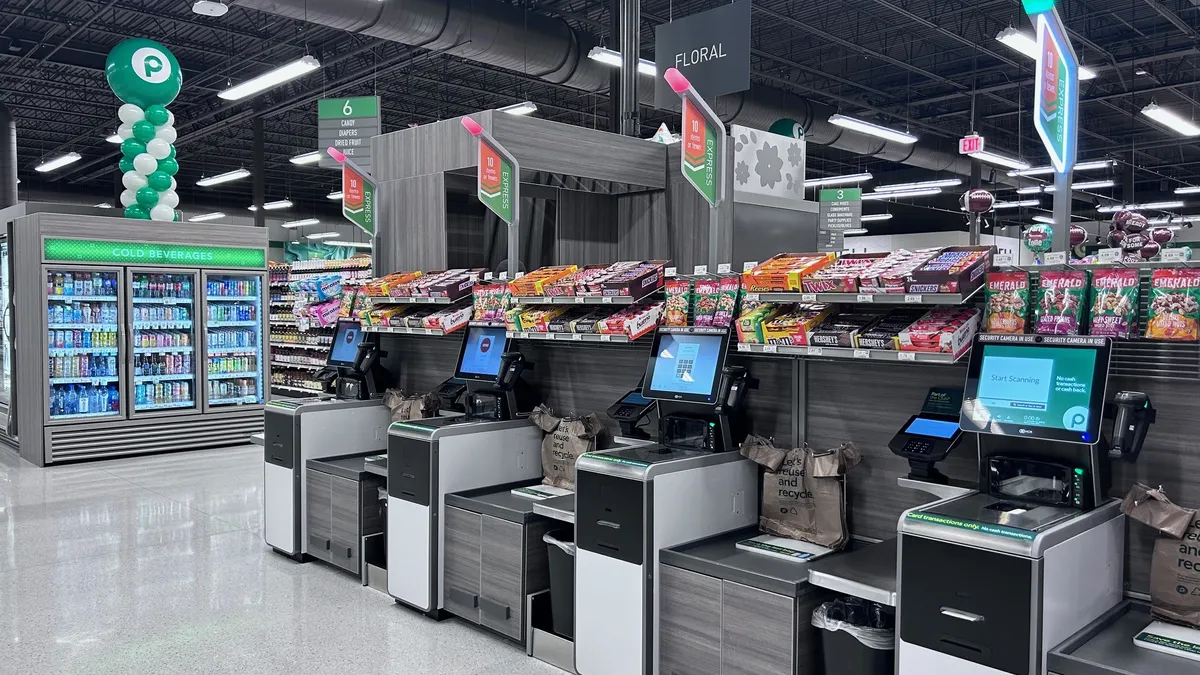
Self-checkout machines in a typical British shop
For many Nigerians, this can be a culture shift. Back home, transactions often involve multiple layers of interaction; verbal confirmation, physical exchange, and sometimes even negotiation. The idea that a customer could simply scan and pay without direct supervision may feel unfamiliar.
READ ALSO: Life in the diaspora: Closing time – when the shops close early
Life in the diaspora: Official emails – why “info@” carries more weight than personal addresses
However, in the UK, this system works because it is supported by a broader culture of accountability. People understand that failing to scan items or attempting to leave without paying is considered theft, with serious consequences. The convenience of the system is balanced by clear expectations of honesty and accountability.
Over time, what initially feels strange becomes normal. The speed and ease of self-checkout become appreciated, especially during busy periods. Instead of standing in long queues, especially festive periods, customers can complete their purchases quickly and move on with their day.
I remember a moment when I picked up a few items and instinctively looked for a cashier, only to realise that self-checkout was the faster option. What once felt unfamiliar had quietly become part of my routine. That transition, though subtle, reflects how easily people adapt when systems are consistent.
Another interesting aspect is how the system handles mistakes. If an item is not scanned properly or there is an unexpected weight issue, a staff member is automatically called to assist. The intervention is usually calm and procedural, without accusation or confrontation. This reinforces the idea that the system is designed to support, not intimidate.
Self-checkout also reflects a broader societal value, efficiency combined with trust. It reduces labour for businesses while empowering customers to take responsibility for their own transactions. It is a balance that works because both sides understand their roles.
For Nigerians in the diaspora, this experience often prompts reflection. It challenges assumptions about supervision and honesty, and it introduces a different way of thinking about everyday interactions.
Of course, not everyone prefers it. Some people still choose traditional tills, especially when buying many items or when they simply want human interaction. The system allows for both, giving customers the freedom to choose what works best for them.
Living in the UK often reveals how deeply trust can be embedded in systems. Self-checkout is not just about convenience, it is a reflection of how society expects individuals to act responsibly, even when no one is watching.
And in time, what once felt like an unfamiliar way to shop becomes just another normal part of daily life, another quiet lesson in adapting to a system built not only on structure, but also on trust.


