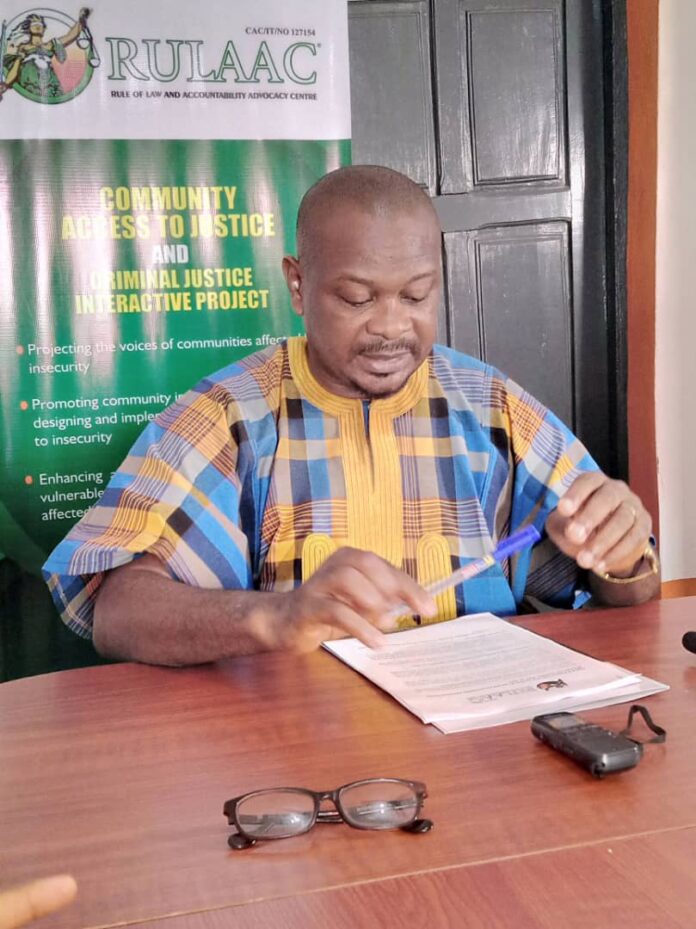
The voices are rising, and so is the anger
By Okechukwu Nwanguma
The unresolved crisis surrounding police pensions has become a national embarrassment. Retired officers — once proud defenders of law and order — now speak with desperation, rage, and bitter disappointment. They are not just unpaid; they are unheard, abandoned, and humiliated.
One of these officers recently spoke out in a viral video, appealing to the Inspector-General of Police and the Director-General of PenCom. His voice was firm, his tone emotional, and his message brutally clear: “Remove the police from PenCom. This is not pension administration. This is robbery.”
His statement, which resonates with thousands of others across the country, is a cry for dignity in retirement. It is a call to a system that has repeatedly failed those who served it loyally, sometimes at the cost of their limbs and lives.
A System That Punishes Sacrifice
According to him, and as echoed by other retired personnel, many police officers have not received their pensions five to six years after retirement. The frustration is not just over delayed payments, but over the total lack of accountability and transparency from the institutions responsible. Some retired officers now live in squalor, unable to afford rent or basic food. They have been reduced to begging, hiding their identities out of shame.
This is not fiction. This is the lived reality of men and women who once risked their lives to protect Nigeria.
Even serving officers are speaking in hushed tones. If those in uniform today cannot look forward to a secure retirement, what motivation do they have to uphold professionalism, integrity, or morale? What signal is the state sending to its security agents?
PenCom Has Failed the Police
Despite years of complaints, PenCom has remained opaque, bureaucratic, and largely unresponsive. Officers are routinely told to wait or to revalidate their details. Files go missing. Payments are “processing” for years. Yet, insiders — like the retired officer in the viral video — allege that funds are being diverted or mismanaged.
Worse still, excuses involving IPPIS or remittance failures are pushed forward as a smokescreen, despite former finance officers within the police stating clearly: “IPPIS has nothing to do with our benefit. That’s a lie.”
The IGP Must Act Now
The Inspector-General of Police, who is familiar with these concerns — and, in some cases, with the individuals expressing them — must step up and take a stand. This is not just an administrative issue; it is a leadership test. It is a test of empathy, of courage, and of loyalty to his own constituency.
He must, without delay:
1. Publicly acknowledge the grievances of retired officers.
2. Engage directly with PenCom and the Presidency to demand immediate reforms or the removal of the police from the contributory pension scheme, if necessary.
3. Commission an independent audit of all outstanding police pension entitlements and the funds collected by PenCom in their name.
4. Ensure a permanent and transparent pension structure for the Nigeria Police Force — one that reflects their sacrifice and secures their future.
A Matter of National Security
This is not just a welfare issue. It is a national security issue. A demoralized police force — both serving and retired — is a ticking time bomb. How do you ask a young constable to give his best when he watches his seniors suffer in retirement? How do you maintain discipline, patriotism, or loyalty when the system treats its own like refuse?
If the government truly wants to reform the police, it must start with dignity and justice for the retired. It must fix the rot at PenCom, restore confidence in the pension process, and give officers a reason to believe in the system they serve.
Time is running out. The voices are growing louder. If we don’t act now, the consequences — like those of #EndSARS — may catch us unprepared once again.
Nwanguma, the Executive Director, Rule of Law and Accountability Advocacy Centre (RULAAC), writes from Lagos