66 years of independence: Nigeria has run out of excuses
By Ogechi Okoro
On October 1, 2026, Nigeria will celebrate 66 years of independence. By now, the debate over our potential should be history. Decades of self-rule, vast resources, and an indomitable spirit have given Nigeria every chance to flourish. Yet, millions still wait for the true rewards of independence: dignity, security, and prosperity. The real question is no longer about our colonial past, but about the dreams we have yet to realise.
Colonialism left its mark, the civil war carved deep wounds, and years of military rule eroded our institutions. But after 66 years, these shadows cannot explain away our failures. Nigeria has had more than enough time to own its destiny. The pressing question is: What have we truly built in 66 years of self-rule, and why are Nigerians still waiting for change?
The unresolved issues from 1970 continue to affect Nigeria today. Understanding the present requires confronting the legacy of the civil war, which ended with General Yakubu Gowon’s declaration of “no victor, no vanquished.” While this was a significant gesture, true reconciliation requires more than words.
Since the war, no Igbo politician has risen to Nigeria’s highest office. This does not mean the promise of unity was hollow, but it underscores that true reconciliation demands inclusion, representation, and equal opportunity. Nigeria cannot claim progress while old wounds still colour our collective memory.
The difficult road of reform has made old struggles even harder. President Bola Tinubu’s economic changes deserve neither blind applause nor sweeping criticism. Scrapping the petrol subsidy and overhauling foreign exchange were bold moves that brought real pain to households. Still, the government insists these sacrifices are needed to fix deep-rooted financial problems.
Signs point to reforms boosting Nigeria’s economic standing, from growth to a steadier currency and stronger reserves. These gains matter. Yet, for most Nigerians, the economy is measured in the price of food, the cost of transport, the reliability of power, and the quality of schools and hospitals. Hardship remains a daily reality for many. Both views hold truth: reforms may fix the system but also bring immediate pain. The real test is whether stability will translate into jobs, investment, lower prices, better services, and fuller wallets.
President Tinubu’s government must speak plainly about when and how Nigerians will feel the benefits of these reforms. People have been asked to sacrifice; they deserve to know what their patience will bring. Stability matters, but the economy should serve the people, not just look good on paper. Nigeria’s true wealth is its people.
Despite the frustrations, Nigeria is still a nation of wonders. Lagos shows what is possible when energy, ambition, and opportunity meet. Across the world, Nigerians shine in medicine, academia, technology, business, finance, and the arts. The problem is not talent, but the struggle to build institutions that turn that talent into lasting prosperity.
Africa looks to Nigeria for leadership, because this nation is simply too vital to accept mediocrity. With its vast population, rich resources, boundless drive, and strategic clout, Nigeria can spark transformation across the continent. International deals and investments bring hope, but deals alone do not build a nation. What matters is whether they create jobs, grow industries, improve roads and power, and lift living standards. Nigeria must move from celebrating signatures to delivering real results. As Nigeria rises, so does Africa.
At 66, it is time for responsibility to replace excuses. Nigeria’s biggest challenge may be the endless cycle: new leaders promise, citizens wait, sacrifices are demanded, blame is passed, new plans are unveiled, and still, Nigerians wait. By now, the nation should have broken free from this loop.
Nigeria does not need another excuse. It needs stronger institutions, real accountability, respect for the law, capable leaders, and a political culture that rewards hard work over connections. Citizens, too, must own their part. We cannot demand honest government while ignoring wrongdoing at home, nor condemn corruption only when it hurts us. At 66, colonial rule is no longer an excuse.
Our failures, our successes, and our institutions belong to us, and so does our future. This is not a call to despair. Nigeria has survived war, dictatorship, economic storms, and countless setbacks. The unbreakable spirit of its people is its greatest asset. But resilience alone should not mean endless struggle. Nigerians deserve more than to endure; they deserve to flourish.
Let this 66th Independence Day be a moment for honest reflection, not blind optimism, but not hopelessness either. Nigeria must move from potential to achievement, from promises to progress, from impunity to justice, and from mere survival to true prosperity. Arise, O compatriots.
At 66, Nigeria must stop telling its people to wait and start building a country worthy of their patience, sacrifice, and unyielding spirit.
Long live Nigeria.
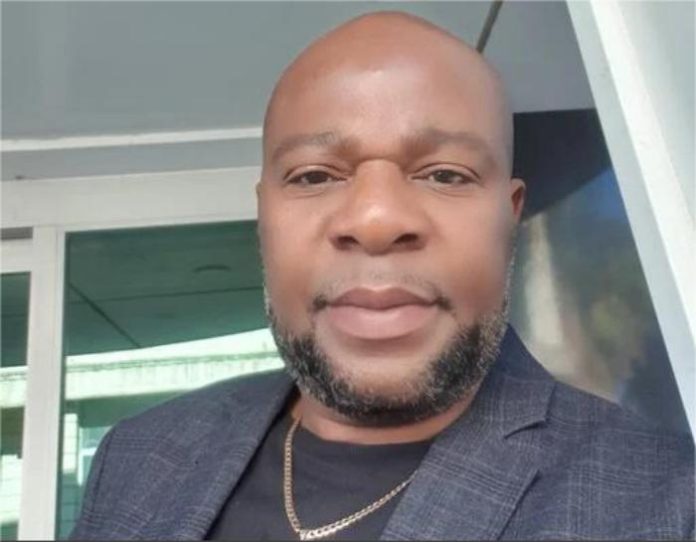
- Dr Ogechi Okoro, a political and social analyst, writes from Hamilton, New Zealand.