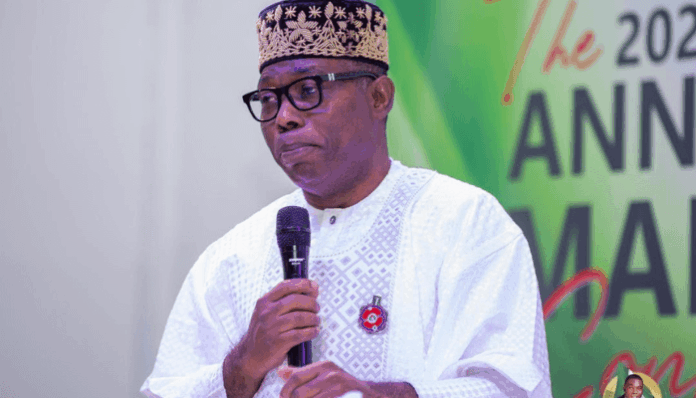
33 years after June 12, Nigeria yet to achieve true democracy — Adebayo
By Henry Nnaemeka
Presidential candidate of the Social Democratic Party (SDP) for the 2027 general election, Prince Adewole Adebayo, has said Nigeria is yet to realise the full promise of democracy 33 years after the historic June 12, 1993 presidential election, warning that many of the challenges that provoked the pro-democracy struggle remain unresolved.
In a Democracy Day message on Thursday, Adebayo described the June 12 election, won by the late Chief Moshood Kashimawo Olawale (MKO) Abiola under the SDP platform, as one of the most credible and unifying elections in Nigeria’s history.
According to him, the election symbolised hope for Nigeria and the African continent at a time when military rule remained dominant across much of Africa and apartheid had yet to end in South Africa.
Adebayo said the annulment of the election represented a grave assault on the sovereignty of the Nigerian people and derailed what could have become the country’s defining democratic transition.
“No one can annul the will of the people,” he stated, adding that the actions of the military authorities and their collaborators denied Nigerians the opportunity to consolidate democratic governance at a critical moment in the nation’s history.
The SDP flagbearer paid tribute to MKO Abiola and his late wife, Kudirat Abiola, describing their sacrifices as enduring symbols of the struggle for democratic freedom and popular sovereignty.
He also acknowledged former President Muhammadu Buhari for officially recognising June 12 as Nigeria’s Democracy Day, while honouring the thousands of Nigerians who paid the ultimate price in the fight against military rule.
However, Adebayo argued that more than three decades after the annulled election, Nigeria has yet to fulfil many of the aspirations associated with June 12.
He expressed concern over what he described as growing threats to democratic values, including vote buying, political violence, weak civic participation and persistent questions surrounding electoral credibility.
The SDP presidential candidate also accused the administration of President Bola Ahmed Tinubu of actions he said undermine democratic culture, alleging undue pressure on political parties, interference in political activities and a shrinking democratic space.
According to him, the continued existence of electoral irregularities has prevented elections from fully reflecting the ideals embodied by the June 12 struggle.
“Many of the conditions that Nigerians fought against in the struggle for democracy are still with us today,” he said.
Adebayo urged citizens to become active defenders of democratic institutions by insisting on free, fair and credible elections, arguing that democracy can only thrive when leaders emerge through processes that genuinely reflect the will of the people.
He further called for greater attention to Chapter Two of the 1999 Constitution, which outlines the fundamental objectives and directive principles of state policy, including provisions relating to welfare, security, education and economic justice.
According to him, the next phase of Nigeria’s democratic development should focus on translating constitutional promises into tangible improvements in the lives of citizens.
Despite concerns over poverty, insecurity and declining public trust in institutions, Adebayo maintained that democracy remains Nigeria’s best option for national progress.
“I was born and grew up under military rule. I will never wish for such a dark era to come back again,” he said.
He urged Nigerians not to lose faith in democratic governance but to work collectively to strengthen institutions and hold leaders accountable.
“June 12, 1993, will not be in vain,” Adebayo declared.