By Pascal Oparada (Social Media/Tech Reporter)
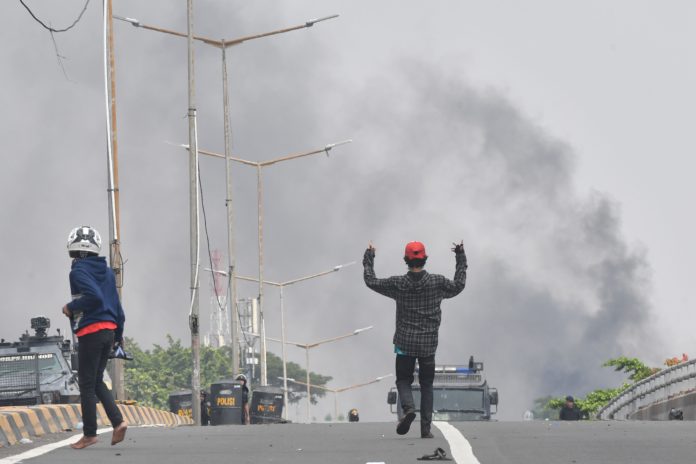
Following the release of its presidential election results on Tuesday, and deadly riots which have claimed about six lives and injured over 200, the Indonesian government is cracking down on social media, especially all Facebook-owned platforms of WhatsApp, Instagram and Facebook itself.
Many users of the platforms reported having difficulty using the various social media, especially WhatsApp which is one of the country’s most popular messaging app and also posting to Facebook.
Coordinating minister for political and security affairs, Wiranto, confirmed in a press conference that the government is limiting access to social media and deactivating certain features to maintain calm.
A critic of Facebook and Minister of Communications, Rudiantara, said users “will experience lag on WhatsApp if you try to upload videos or photos”.
Facebook did not confirm the blockages but said it is in talks with the Indonesian government.
“We are aware of the ongoing security situation in Jakarta and have been responsive to the Government of Indonesia. We are committed to maintaining all of our services for people who rely on them to communicate with their loved ones and access vital information,” a spokesperson told TechCrunch.
A number of Indonesia-based WhatsApp users confirmed to TechCrunch that they are unable to send photos, videos and voice messages through the service. Those restrictions are lifted when using Wi-Fi or mobile data services through a VPN, the people confirmed.
The restrictions come as Indonesia grapples with political tension following the release of the results of its presidential election on Tuesday. Defeated candidate Prabowo Subianto said he will challenge the result in the constitutional court.
Following this, it is alleged that misleading information and hoaxes about the nature of riots and people who participated in them began to spread on social media services, according to local media reports.
Facebook, which is grappling with the spread of false information in many markets, faced a similar restriction in Sri Lanka in April, when the service was completely banned for days amid terrorist strikes in the nation. India, which just this week concluded its general election, has expressed concerns over Facebook’s inability to curtail the spread ofmisinformation on WhatsApp, which is its largest chat app with over 200 million monthly users.
Indonesia’s Rudiantara expressed a similar concern earlier this month.
“Facebook can tell you, ‘We are in compliance with the government’. I can tell you how much content we requested to be taken down and how much of it they took down. Facebook is the worst,” he told a House of Representatives Commission last week, according to the Jakarta Post.