



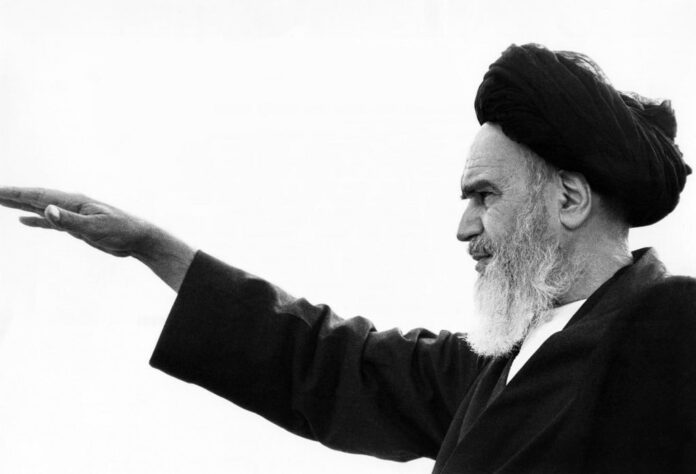
Who is Iran’s Supreme Leader Ayatollah Ali Khamenei
In the wake of series of bombardments against Iran, Israeli Prime Minister Benjamin Netanyahu says there are many signs that Ayatollah Ali Khamenei, Iran’s supreme leader, may no longer be alive.
On Saturday, the United States and Israel launched missile strikes on Iran, while Israel described the attack as “pre-emptive”.
Who is Khamenei? The 86-year-old Islamic scholar has been Iran’s Supreme Leader since 1989, succeeding the Islamic Republic’s late founder, the charismatic Ayatollah Ruhollah Khomeini, who returned from exile and drove Iran’s 1979 revolution that overthrew US ally and shah, Mohammad Reza Pahlavi. He holds ultimate authority over all branches of government, the military and the judiciary, while also acting as the country’s spiritual leader.
During his rule, Khamenei has withstood an adversarial relationship with the West, including intense sanctions, and several rounds of protests at home over the economy and rights issues. He has called the US Iran’s “number one enemy”, with Israel trailing close behind.
Critical to Khamenei’s power is the loyalty of two of Iran’s premier security institutions – the Islamic Revolutionary Guard Corps (IRGC) and the Basij paramilitary forces, which have hundreds of thousands of volunteers.
In June, after the 12-day war of US-Israeli attacks on Iran, and Tehran’s retaliation against Israel, Israel’s Defence Minister Israel Katz said Khamenei “cannot continue to exist”.
“A dictator like Khamenei who stands at the head of a state like Iran and has the horrible goal of destroying Israel – cannot continue to exist,” he said.
The same month, Israel’s Prime Minister Benjamin Netanyahu suggested Israel had not ruled out attempting to assassinate Khamenei, an act he said would “end” the long-running conflict between the US and Iran.
In the US, President Donald Trump has also made remarks appearing to threaten Khamenei. In an interview with ABC News earlier this month, Trump said the Iranian leader should be “very worried”, as the US amassed military assets in the region.


