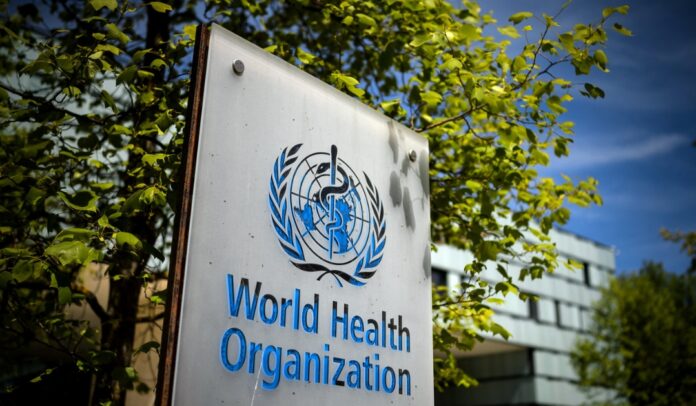
Trump in 2020 accused WHO of aiding China in allegedly covering up the origins of Covid-19 and allowing its spread
By Kehinde Okeowo
Newly Inaugurated United States President, Donald Trump on Monday night signed an executive order withdrawing his country from the World Health Organization (WHO).
The move, which was widely anticipated, will see the US leave the global health body within a year from the official notification to the United Nations and the WHO, which Trump tasked newly confirmed Secretary of State Marco Rubio to do.
The 47th US president has long been critical of the United Nations’ health agency, and his administration formally began a withdrawal from the WHO in July 2020 as the Covid-19 pandemic continued to spread.
However, four years ago, then-President Joe Biden halted the US’ exit from the body tasked with coordinating the international response to health emergencies in one of his first actions after taking over the White House.
The text of Monday’s executive order cites the “organization’s mishandling of the COVID-19 pandemic that arose out of Wuhan, China, and other global health crises, its failure to adopt urgently needed reforms, and its inability to demonstrate independence from the inappropriate political influence of WHO member states,” as reasons for the US withdrawal.
ALSO READ: ‘Golden age of America begins now,’ says Trump in inaugural speech
“That’s a big one,” Trump told an aide as he began to sign the executive order, pointing to his 2020 decision and his belief that the US was paying too much money to the organization compared to other countries.
In 2020, Trump also consistently accused the organization of aiding China in allegedly covering up the origins of Covid-19 and allowing its spread.
Meanwhile, US withdrawal will generate a loss of hundreds of millions of dollars for the WHO’s core budget.
This is because the country provides about a quarter of that budget as a mandatory membership fee but often gives more — with the figure ranging from $163 million to $816 million in recent years, according to health policy think tank KFF.