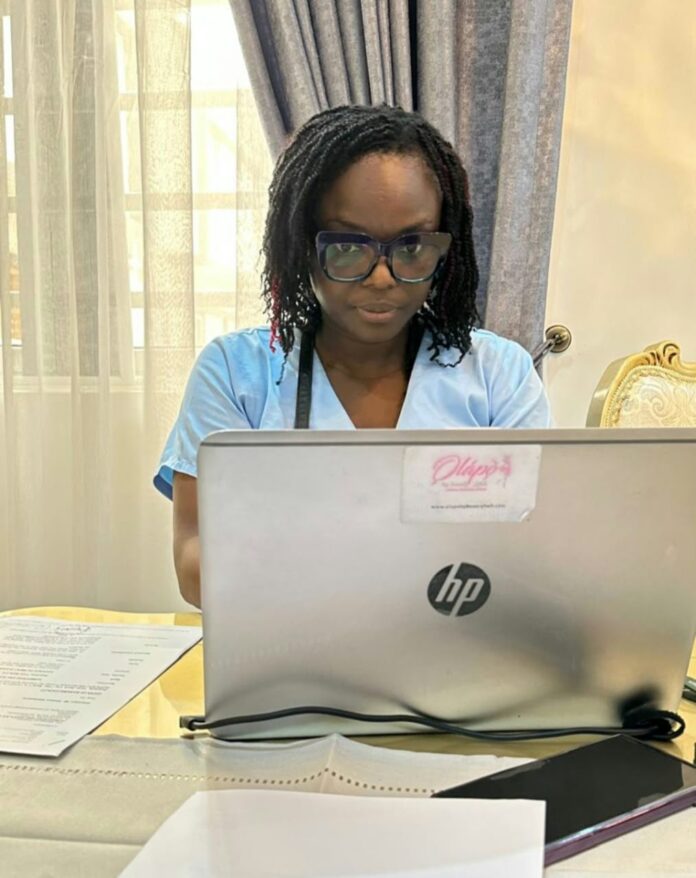
Olapo Akinbobola had always been interested in fashion, fabrics, colours and how clothing can transform a person’s appearance and confidence. According to her, her decision to venture into the fashion business was not prompted by a single defining moment but developed naturally over time.
By Eberechi Obinagwam
Olapo Akinbobola had always been interested in fashion, fabrics, colours and how clothing can transform a person’s appearance and confidence. According to her, her decision to venture into the fashion business was not prompted by a single defining moment but developed naturally over time.
A graduate of Accounting from the University of Ilorin, Kwara State, Olapo worked in the banking sector for almost 10 years before resigning in 2008 and relocating to the United Kingdom, where she transitioned into project management. After spending two years there, she returned to Nigeria and decided to pursue her creative interests.
“When I returned, I knew I did not want to go back to banking. I wanted the freedom to determine how I structured my time, to pursue my creative interests and to build something that reflected my own ideas and values. I wanted to have greater control over my life and career,” she told TheNiche in an interview.
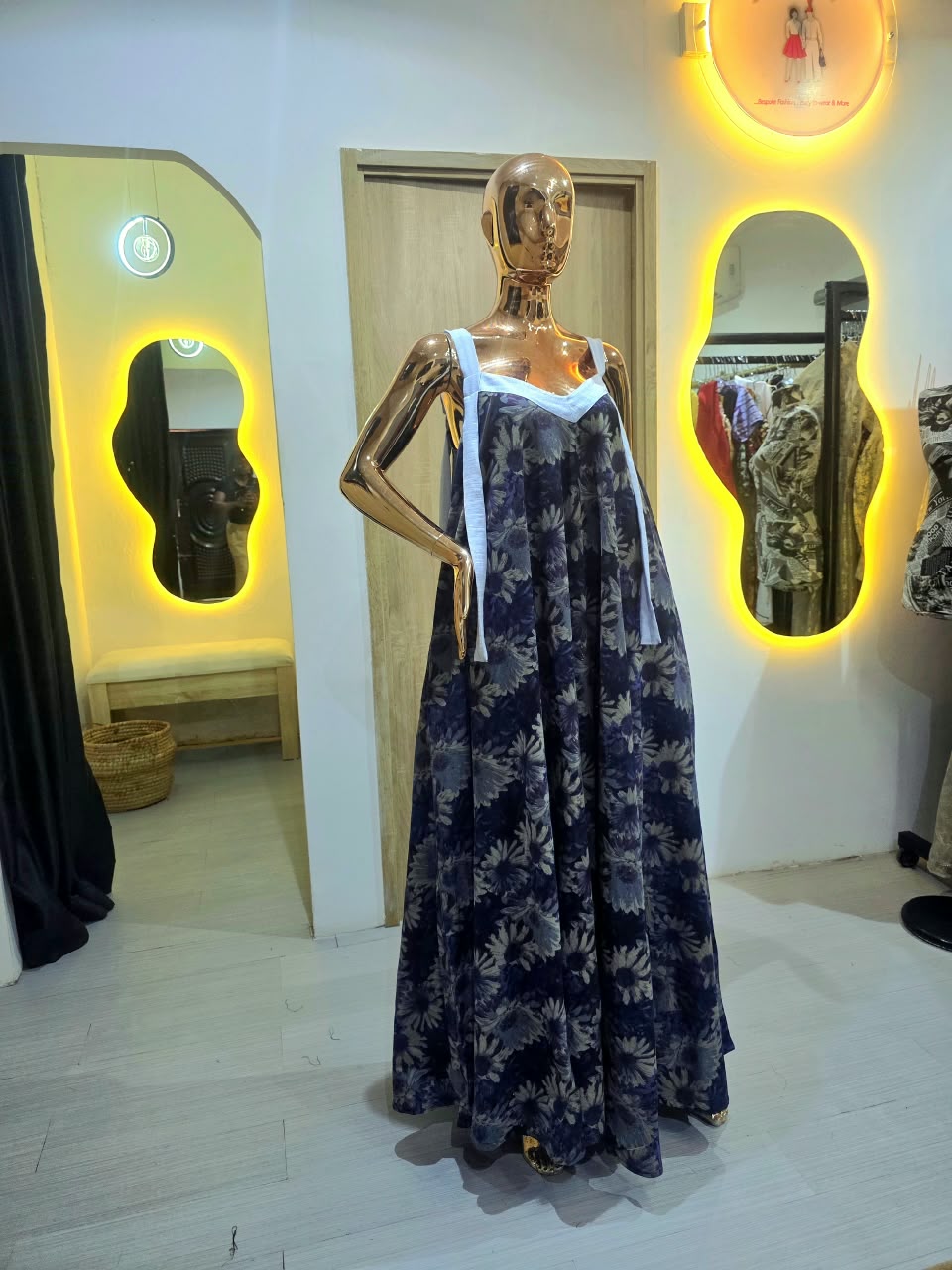
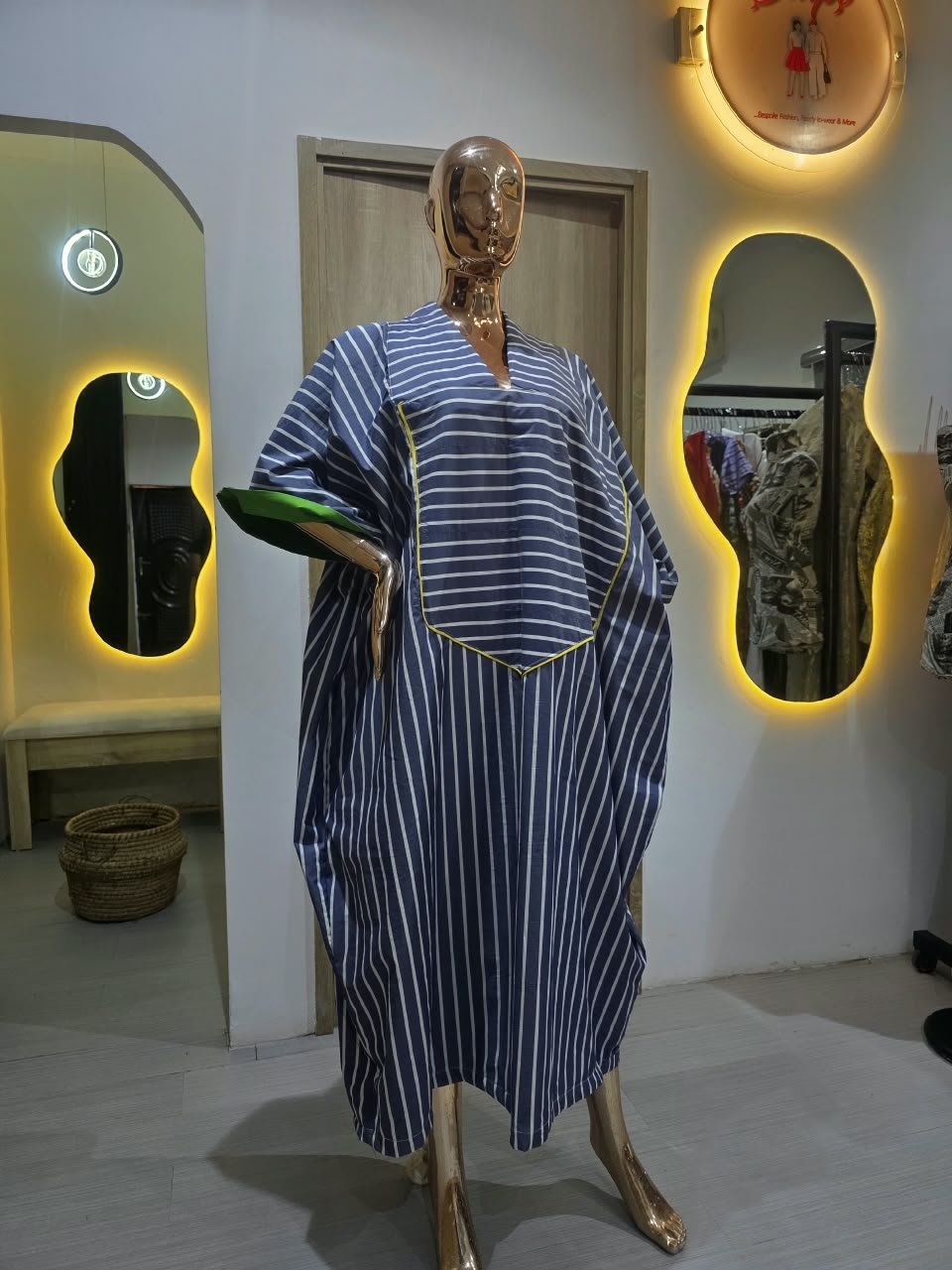
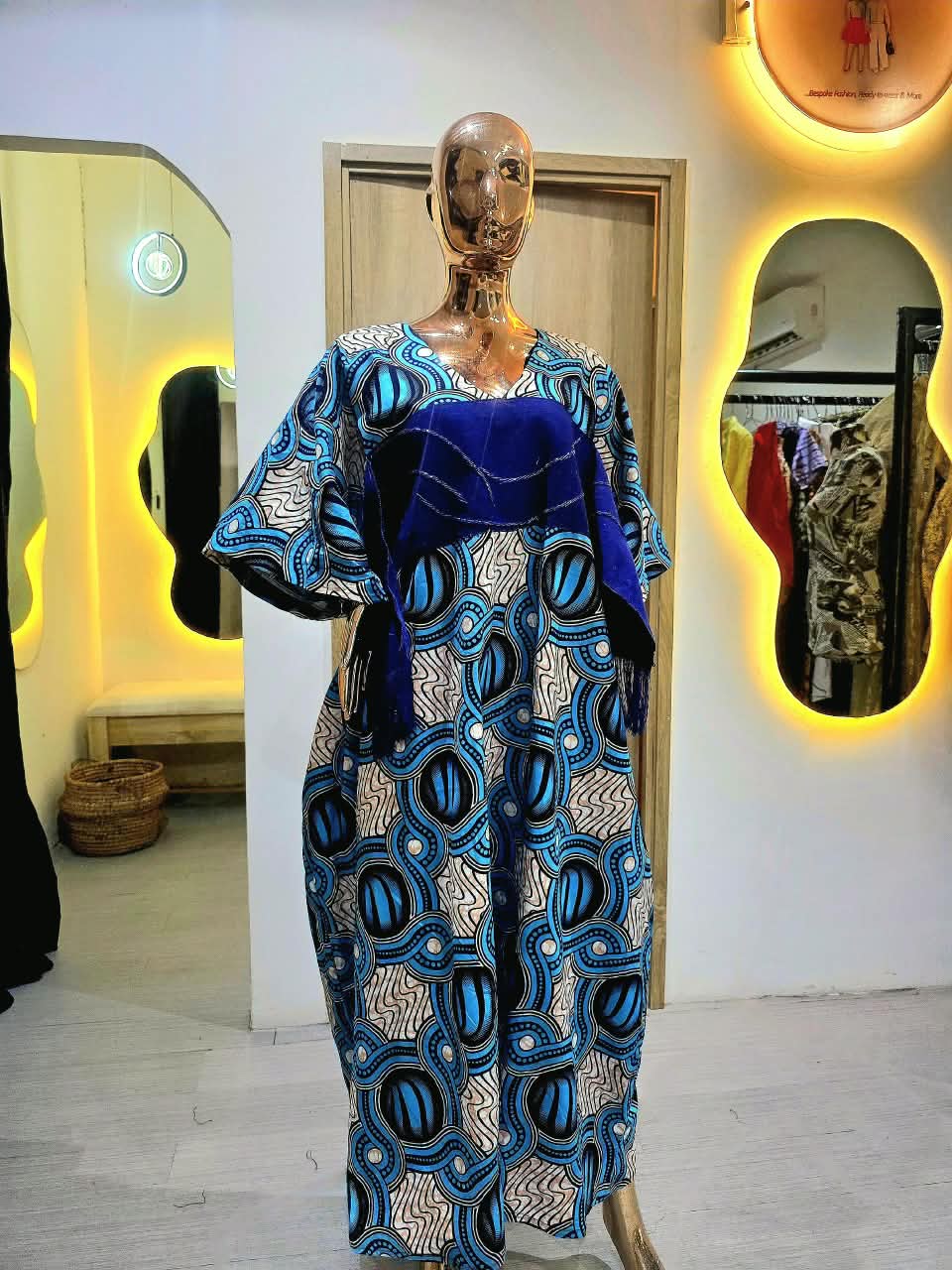
Olapo began building her fashion business gradually in 2016 before officially launching OlapobyBeautyHub on June 24, 2019. What started as a natural progression of her creative interests has since grown into a business that helps clients bring their fashion ideas to life, from developing and sketching designs to selecting fabrics and coordinating the production to ensure smooth operations.
Starting up
The Creative Director, OlapobyBeautyHub said the business started quite informally. “There was no dramatic Eureka moment or defining incident that made me decide to go into fashion. It was a very natural process,” she said. Continuing with her story, she said, “There was a tailor around my neighbourhood who used to make clothes for me. Whenever I wore the outfits, I received compliments, and people would ask where I got them from. After a while, I started telling them that my business made the clothes, and before long, people began placing orders. Those orders brought referrals, and one customer led to another.”
“That was how OlapobyBeautyHub began. There was no grand opening, no elaborate business plan and no huge capital investment at the beginning. It started with an interest, an opportunity and a willingness to explore something I enjoyed. Looking back, I realise that sometimes, opportunities do not necessarily announce themselves. You just have to recognise them and be willing to take a chance,” she said.
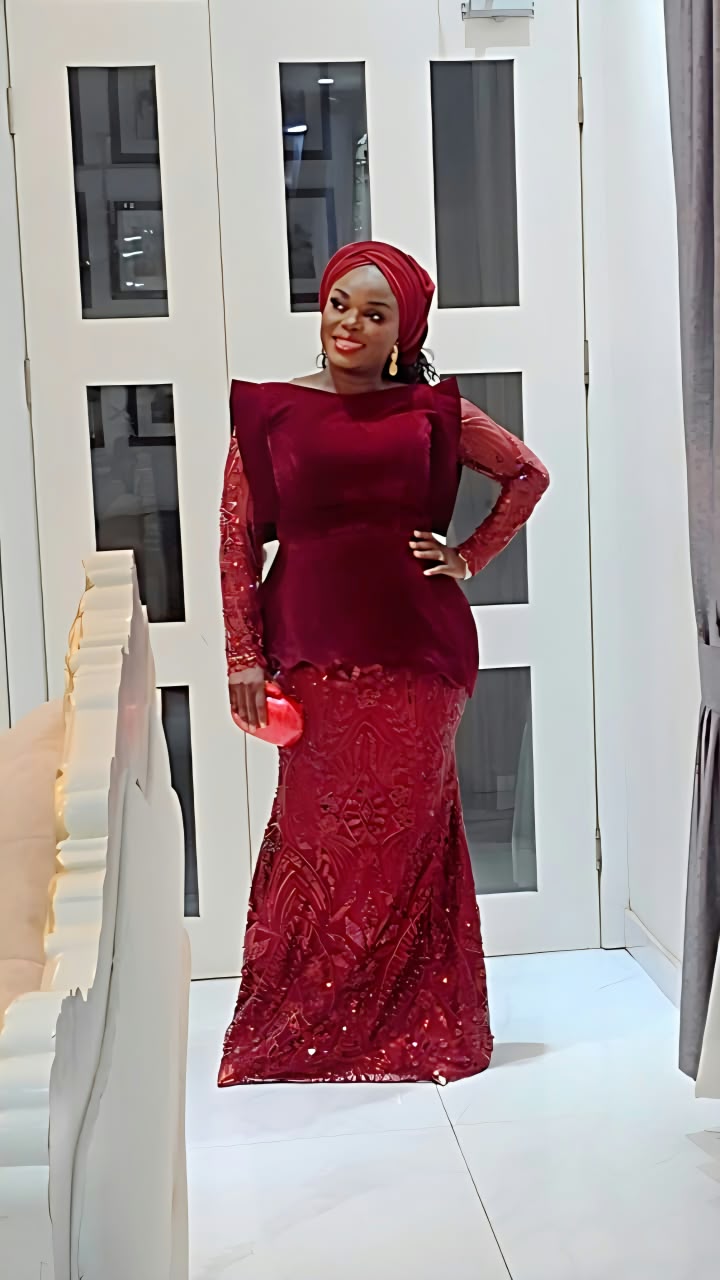
She added: “That experience has taught me that you do not always need to have everything figured out before you start. Sometimes, you begin with what you have, learn along the way and build the necessary structures as the business grows.”
READ ALSO:
TheNiche Young Entrepreneur: Aninyem Mercy raises the bar in food and confectionery with MevaFoods
Olapo’s creative instinct turned a passion to business. “When I started, I simply connected customers to the tailor who had been making my clothes. Customers would describe what they wanted, I would help them with designs and fabric choices, and the tailor would produce the outfits. Gradually, what started as an informal arrangement began to grow into a business with more orders and referrals,” she explained.
“I did not set out with the intention of becoming a fashion entrepreneur. I simply recognised that people liked what I was offering and were willing to pay for it. I decided to take it seriously, and one step led to another,” she added.
Capital
Olapo said capital was not a major challenge at the beginning because the business started on a very small scale. She did not begin by renting a shop, buying several industrial machines or employing a large team. For her, the process was straightforward. Customers placed orders and paid for their outfits, while she sourced the fabrics and other materials, and the tailor handled the sewing. “The tailor would return the completed outfits to me for delivery to the customers. At that stage, I did not even know where he carried out the actual sewing,” she said.
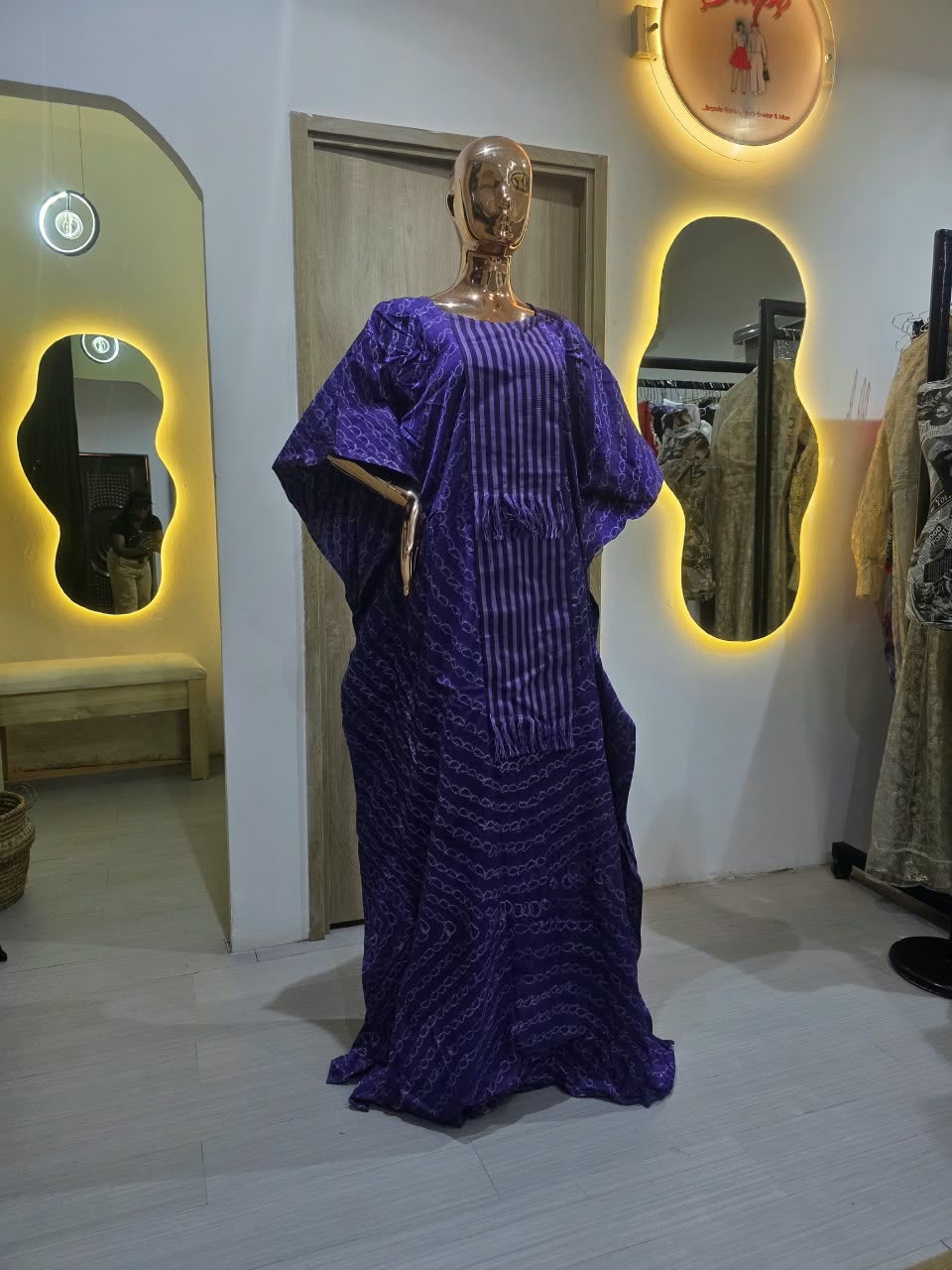
As the orders increased, she began to reinvest the money coming into the business. “I bought one sewing machine, then another. Eventually, we brought in additional hands because the workload had become too much for one person. We expanded to three machines and gradually built a small production team.
“I was also fortunate to have space at my husband’s family house where we could operate from. That was a significant advantage because commercial rent in Lagos can be quite expensive, and not having to deal with that overhead at the early stage gave us room to grow,” she said.
Olapo said her experience has shown her that starting a business does not always require a huge amount of capital. “Depending on the nature of the business, you can start small, use customer orders to fund production, reinvest your earnings and expand gradually. What matters is understanding your costs, managing your cash flow and growing at a pace the business can sustain,” she said.
Penetrating the market
Olapo said she did not struggle too much to get her first customers because the business grew organically through personal referrals. “My first customers were people who had seen me wearing the clothes I made for myself and liked what they saw. They would ask questions, I would tell them I could make something similar for them, and that was how the orders started coming in,” she said.
According to her, the referrals were particularly important because, in fashion, people want to trust the person making their clothes. She said, they want to be confident that the fabric will be handled properly, that the fit will be right and that the finished outfit will look like what they have in mind.
“Every satisfied customer became a potential source of new business. Over time, this helped us build a customer base without spending heavily on advertising. Of course, as the business grows, you have to become more deliberate about marketing, customer retention and brand positioning. Word of mouth is valuable, but you also need systems that allow you to reach new customers and serve them consistently,” she explained.
Lesson learned
Olapo learned to never underestimate the value of doing good work. Especially in the Nigerian market, where people are quick to share both good and bad experiences. She explained that the quality of work and how customers are treated can go a long way in determining how a business goes.
Experience
In 2018, Olapo had an unforgettable experience when the tailor who had essentially started the business with her suddenly stopped coming to work without notice or explanation. She later discovered that he had taken another job elsewhere but had not informed her of his decision to leave. She said his departure was a major concern because he was the main person handling production. “We had customers to attend to, orders to deliver and commitments to honour. It could easily have disrupted the business significantly,” she said.
Fortunately, another staff member who could sew well stepped up to fill the gap. “I had not fully appreciated her ability because the main tailor had always taken the lead in production. In a way, he had not given her enough room to demonstrate what she could do. When he left, she stepped up and became a lifesaver for the business,” she added.
That experience, she said, taught her never to allow operations to depend entirely on one individual, no matter how good that person is at what they do. According to her, people will leave, circumstances will change, and things will not always go according to plan. “You need to build a team, develop the skills of other people and have contingency plans in place. Since then, I have become much more conscious of the need to reduce dependency on any single staff member. It is important to trust people, but it is equally important to build systems that allow the business to continue functioning even when someone leaves unexpectedly,” she said.
Breakthrough
Breakthrough for Olapo has been gradual, driven by the value her business creates and the reasons to keep going. She said knowing that their work contributes to people’s livelihoods and helps them provide for their families is something she values. She said seeing customers happy with their outfits keeps her interested in fashion, while generating revenue and creating opportunities makes the business rewarding.
“For me, success has not been about one big moment. It has been about the small wins, the returning customers, the referrals, the jobs completed successfully and the knowledge that we are gradually building something that serves a purpose,” she said.
Challenges
Olapo said electricity and fuel costs have been her major challenges. She explained that electricity is essential to a fashion business that relies on sewing machine, pressing irons, lighting and other equipment, “Electricity is not a luxury; it is essential to production. When public power supply is unreliable, you have to depend on generators, and the cost of running them adds significantly to your operating expenses. The situation affects not just the cost of production but also productivity and turnaround time. You still have customers expecting their outfits at the agreed time, regardless of whether there is electricity or how much you are spending on fuel”, she stressed.
Japa
Olapo said she had lived abroad and experienced a different system, so she understood why many young Nigerians were considering relocating. The economic realities could be frustrating, and people naturally wanted better opportunities, a more predictable system and a better quality of life. However, her experience also taught her that there was no place quite like home. “I eventually missed Nigeria, my family, my people and the familiarity of the environment I grew up in. That was one of the reasons I returned,” she said.
She believes there is something fulfilling about building something in one’s own country. While acknowledging Nigeria’s challenges, she said the country also offers enormous opportunities for those willing to identify gaps, provide solutions and create value.
“I am not going to pretend that staying is always easy. There are days when the cost of doing business, the infrastructure challenges and the general economic situation can be overwhelming. But I believe that if everyone who has the capacity to contribute leaves, then who will help build the country we all want to live in?” she asked.
She explained that her decision to stay was not based on the belief that everything was perfect in Nigeria, but on her desire to contribute in her own way by creating employment, serving customers and building a business with growth potential. “I believe we can acknowledge the challenges of doing business in Nigeria while still recognising the opportunities available to us,” she said.
About Olapo
Olapo is a graduate of Accounting from University of Ilorin, Kwara State. She began her professional career in the banking industry and spent almost ten years at Guaranty Trust Bank Plc. After nearly a decade in banking, she decided to pursue a new direction. She resigned and relocated to the United Kingdom under the Highly Skilled Migrant Programme (HSMP). While there, she transitioned into Project Management, obtained her PRINCE2 certification and worked with two different organisations.
One of the highlights of that period was her work with the National Policing Improvement Agency (NPIA), an agency of the UK Home Office. Being involved in implementing recommendations arising from the Green Paper was a valuable experience that exposed her to policy implementation, organisational processes and operational delivery.
Olapo returned to Nigeria, driven by a desire to be closer to home and to build something of her own.
She is involved in managing construction projects on the technical side at Homestead and Supplies Limited and serve as Lead Creative Director for the interior decor division.
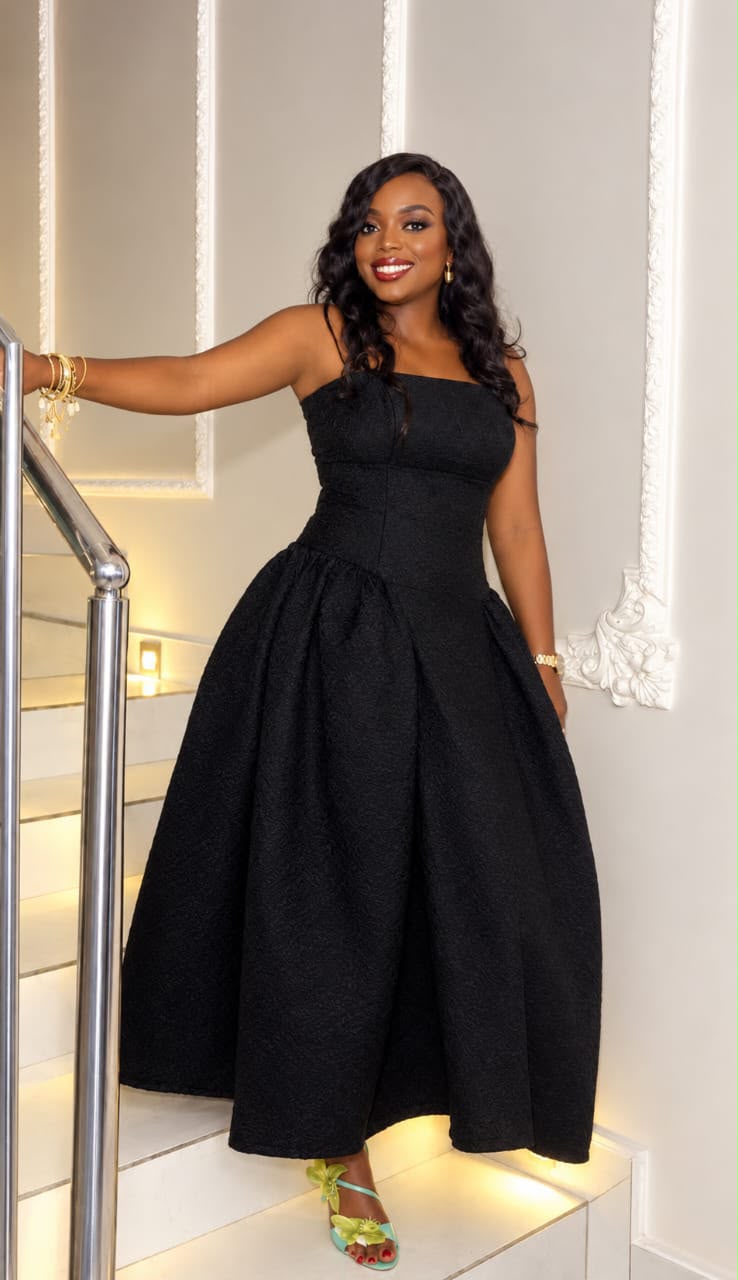
She runs OlapobyBeautyHub, where she serves as Creative Director, channeling her passion for fashion, fabrics, design and aesthetics into creating clothing for her customers. She is happily married and blessed with two beautiful daughters.
She disclosed that her brand, OlapobyBeautyHub is currently working on expanding their Ready-to-Wear collection, and production is already underway.