



TheNiche Young Entrepreneur: From Crop Science to clay: Bamikole’s journey in pottery
By Eberechi Obinagwam
Bamikole Adeola Blessing, a graduate of Crop Science from the University of Abuja, had a successful agribusiness before undergoing surgery. After the surgery, the business collapsed, leaving her feeling lost and depressed.
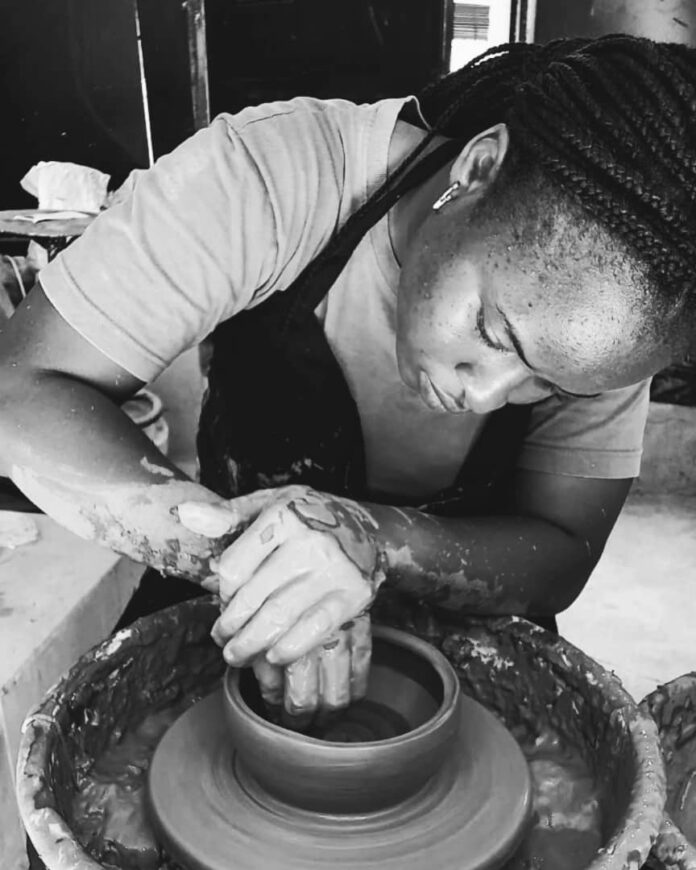
During her recovery, she discovered pottery as a means of livelihood, initially as a collector and drop shipper (buying and selling the product to end users on demand). Afterwards, she researched more on the subject and decided to learn the craft. She discovered its profound therapeutic power during training. This healing angle inspired her to become a certified art therapist. Today, Bamikole is a renowned potter and certified art therapist, founder and creative director of Tade Craft Limited.
She recently convened the first-ever national pottery conference with the theme: “Where Art Meets Therapy,” and has received recognition for her work, including an award from Kaabo Clay Collective.
Journey into pottery

Bamikole’s journey into pottery began in 2023 in Abuja, initially as an art collector after a collapsed agribusiness due to financial difficulties she faced when she had surgery. “I was running an agribusiness before undergoing surgery. After the surgery, the business collapsed due to financial difficulties, and I found myself lost and deeply depressed. One day, I visited a nearby pottery market and took photos of the pieces. I began collecting and drop shipping pottery. As the market grew, I started researching the uses of functional clay, which led me to learn and practice pottery myself. During training, I experienced its therapeutic power firsthand. This healing journey inspired me to become a certified art therapist.”
She added, “My discovery of pottery was first as a means to make ends meet. My research into its potential led me to learn the craft, and during training, I discovered its profound therapeutic power; a personal experience following the surgery truly opened my eyes to the healing power of art. That period stirred something clearer and deeper in me, a desire not just to collect art but to use art as a tool for therapy, empowerment, and social transformation.”
READ ALSO:
TheNiche Young Entrepreneur: Timileyin’s success story in fashion business
Bamikole told TheNiche that her inspiration also came from a strong passion for adding value, both to people and the environment. “Pottery, for me, became a medium through which I could do that meaningfully and effectively. What started as a survival exploration has now evolved into a full-time career with international recognition. Many of my pottery works have been collected abroad, and I was honoured to receive an award from Kaabo Clay Collective, a respected global body championing Black ceramic artists,” she said.
Bamikole sees pottery as more than clay and fire stressing; “It’s a way to restore stories, reconnect people to their roots, and reimagine wellness in African societies. That’s the vision that drives my work every day.”
Healing power
Healing, in this context, refers to psychological healing, says Bamikole. “I found that I could communicate my feelings and share my story without words through my design. The process of spinning the wheel and working with clay required my full attention, allowing me to immerse myself in the creativity of transforming messy clay into beautiful creations. This experience significantly boosted my self-worth.”
Capital
Bamikole had difficulty accessing funds to start up, but through a combination of personal funding and returns from sales, she built her brand. According to her, a lot of funding opportunities, whether grants or loans, often require at least three years of financial documentation, which can be a high hurdle for young businesses like hers. “It’s definitely not easy,” she said.
At the moment, she said she’s actively researching funding options that can support the next phase of growth for her business. “I’m hopeful that I’ll eventually find one or maybe even a hundred (laughs)—that truly sees the potential in what we’re building and believes in the solutions we offer.
“So far, I’ve been able to keep things running through a combination of personal funding and returns from sales. It hasn’t been without sacrifice, but it’s taught me resilience, creativity, and how to make the most of every resource,” she added.
Penetrating the market
Bamikole said penetrating the market was not a major challenge, apart from the initial phase when she had to build visibility and trust, which didn’t last too long. “The reception has been very encouraging,” she said.
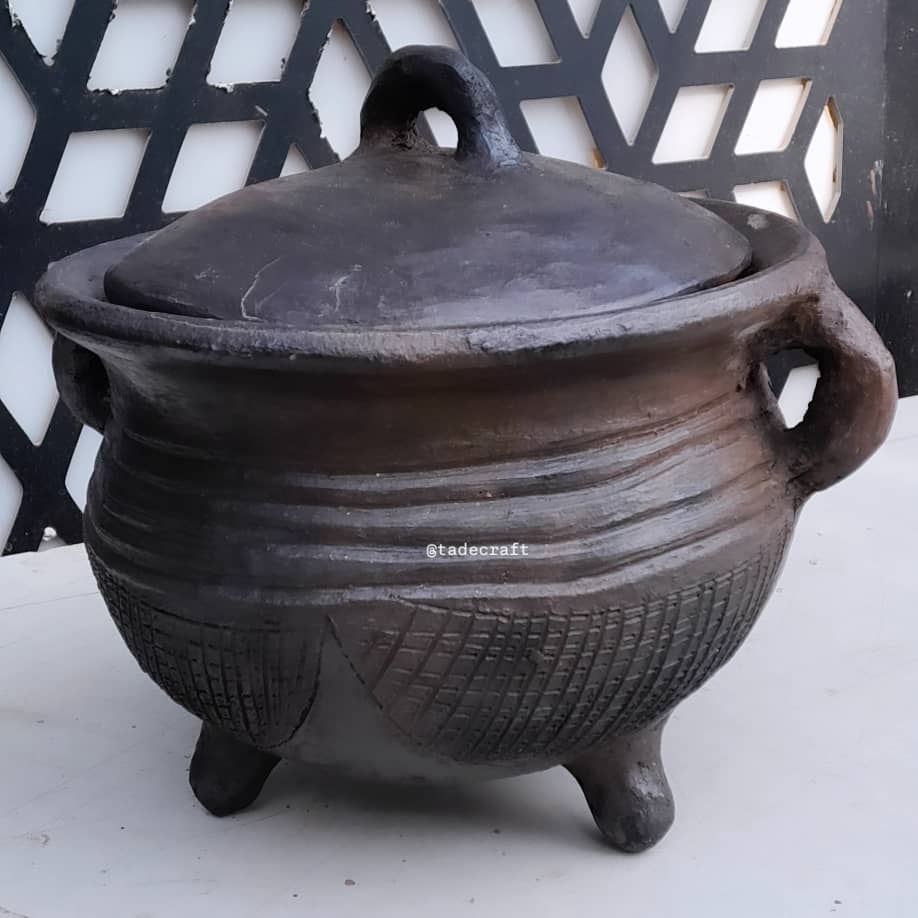
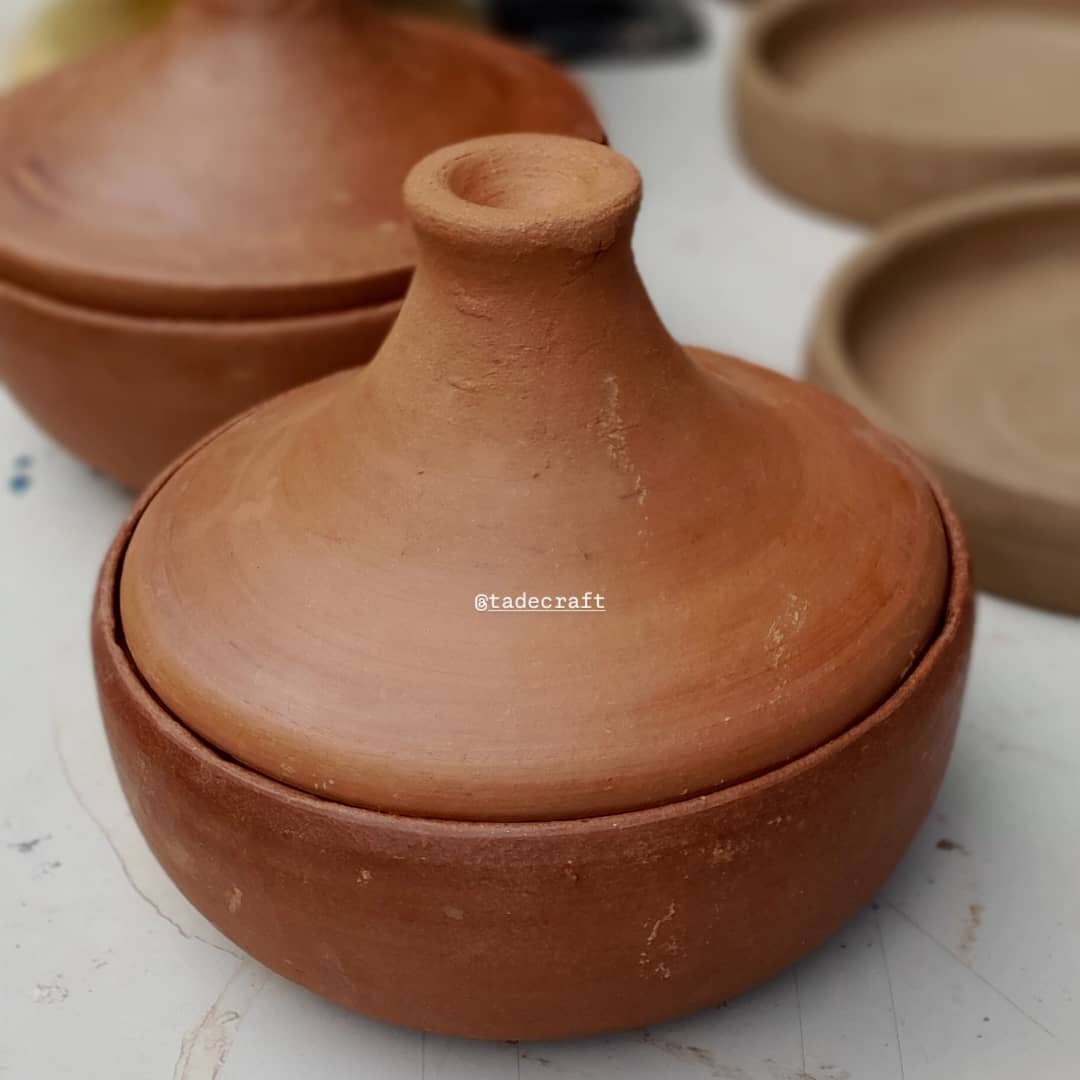
She said: “I create functional pottery pieces, and there’s a growing global market for this type of work, especially as more research highlights the health benefits of ceramic and pottery wares compared to other materials. Their non-toxic nature and sustainability make them increasingly attractive for everyday use.
“So, in truth, the market exists and is accessible. The real challenge now is scaling up production to meet demand consistently while maintaining quality. That’s where most of my focus is at the moment—expanding capacity and streamlining operations to better serve the growing interest.”
Experience
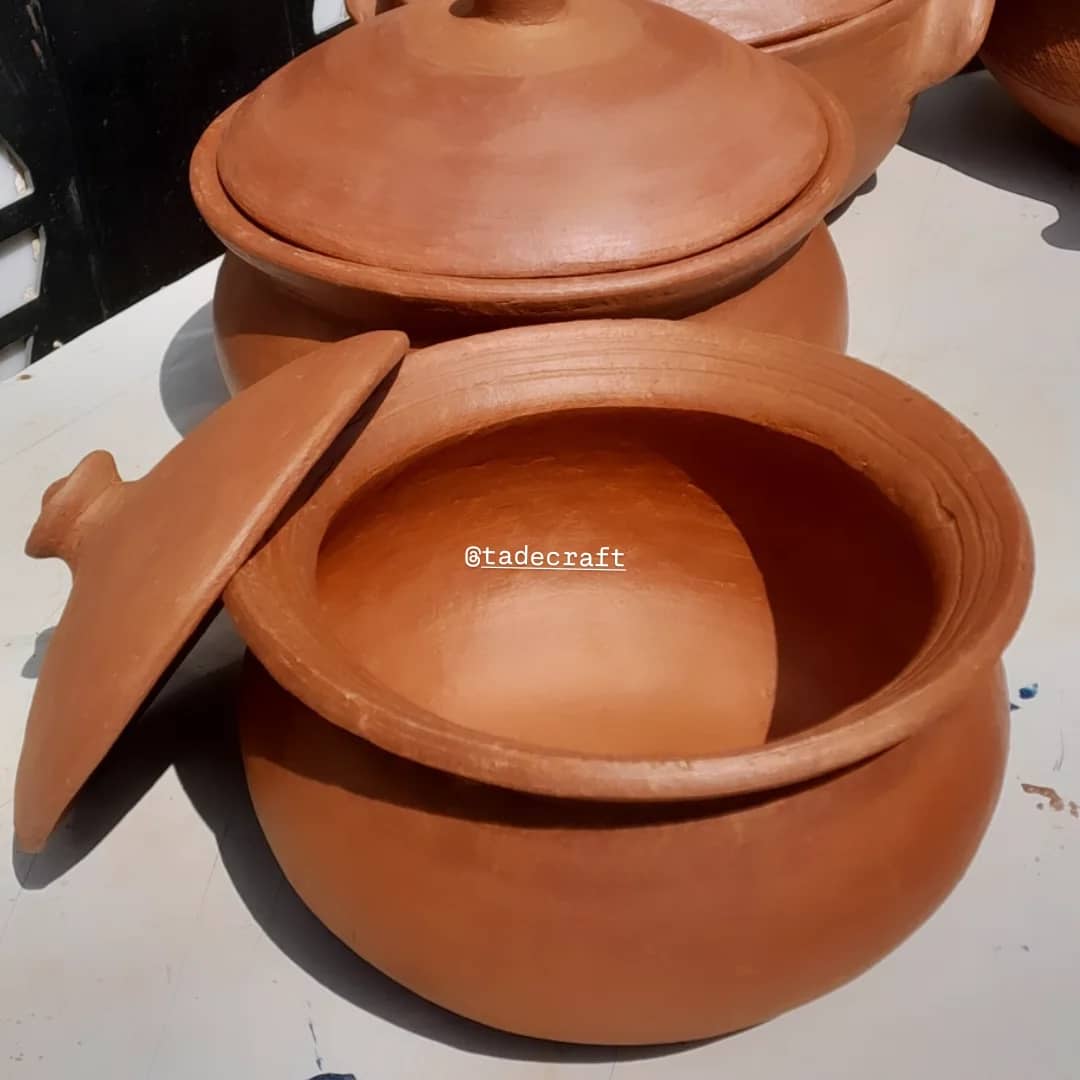
Bamikole said sourcing for proper equipment was one of the experiences she can never forget while struggling to establish her brand. She said accessing modern, high-quality pottery and ceramics tools in Nigeria is extremely difficult, either due to limited availability or simply a lack of awareness about where to find them.
In her word; “In my case, I had to import most of my equipment from abroad, which was both capital-intensive and logistically challenging. This is one of the reasons why the National Pottery Conference meant so much to me. It wasn’t just about showcasing art—it was a crucial platform for dialogue. We needed to open the eyes of young people to the massive economic potential in the creative industry, especially in ceramics. The global market for ceramics is worth billions of dollars, and Nigerian potters and ceramists deserve a stake in it—not only as artists and makers but also as innovators, manufacturers of tools, equipment, and suppliers of raw materials.”
Breakthrough
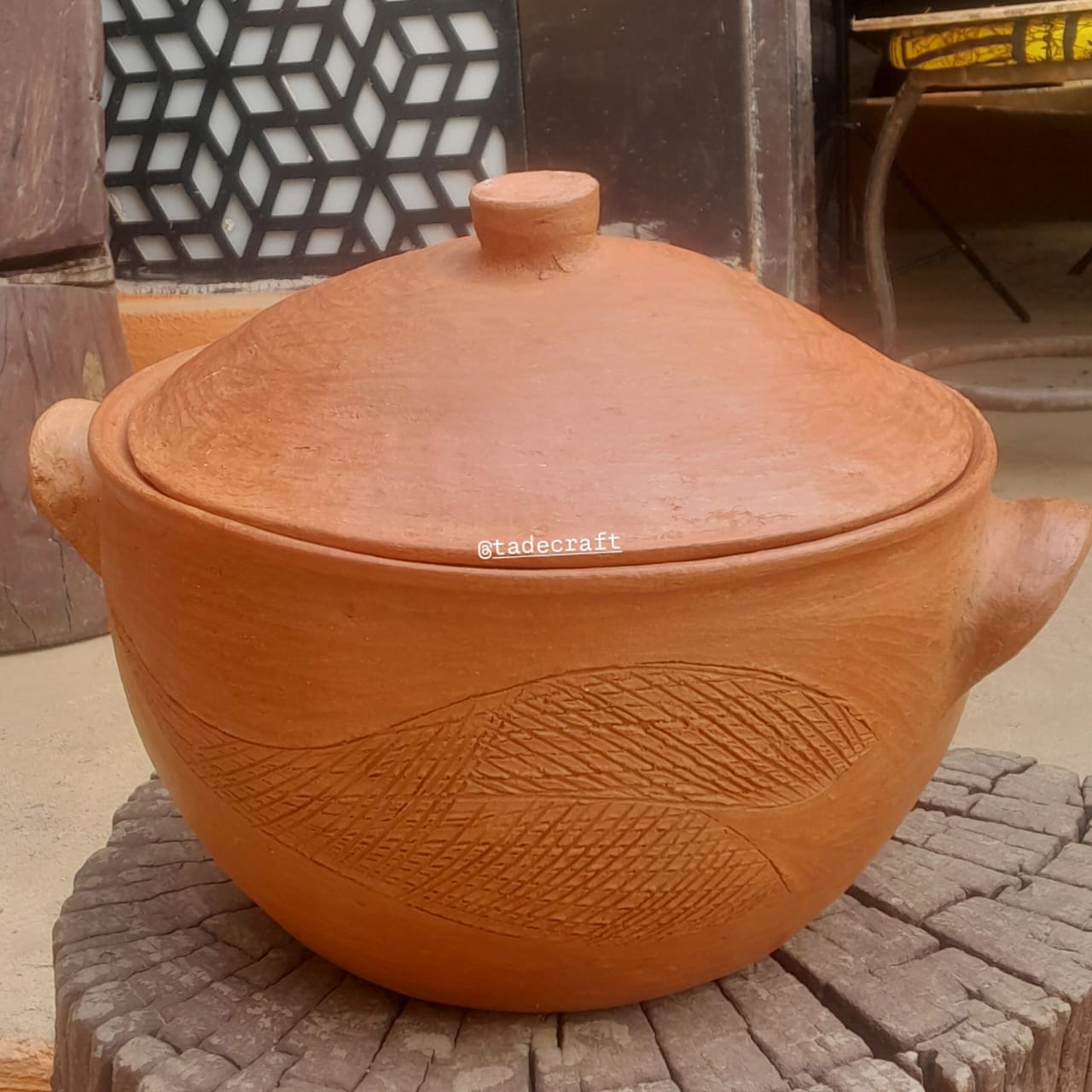
The Creative Director of Tade Craft Limited said she sees every challenge as a step closer to a breakthrough and has experienced quite a few in her journey as an entrepreneur. But her personal and therapeutic connection she found with clay, she said, stands out deeply for her as a breakthrough. “It awakened a part of me I never knew existed. Coming from a background in Crop Science, I had no formal interaction with pottery. It wasn’t something I studied or even considered as a path. But during my recovery period after surgery, I encountered clay—and it was transformative. Pottery became more than just a craft; it became a healing process, a safe space, and a guide into a new phase of purpose. That discovery, that moment of alignment, was a major breakthrough for me. It gave me clarity, strength, and the courage to build what I’m doing today,” she said.
Challenges in business
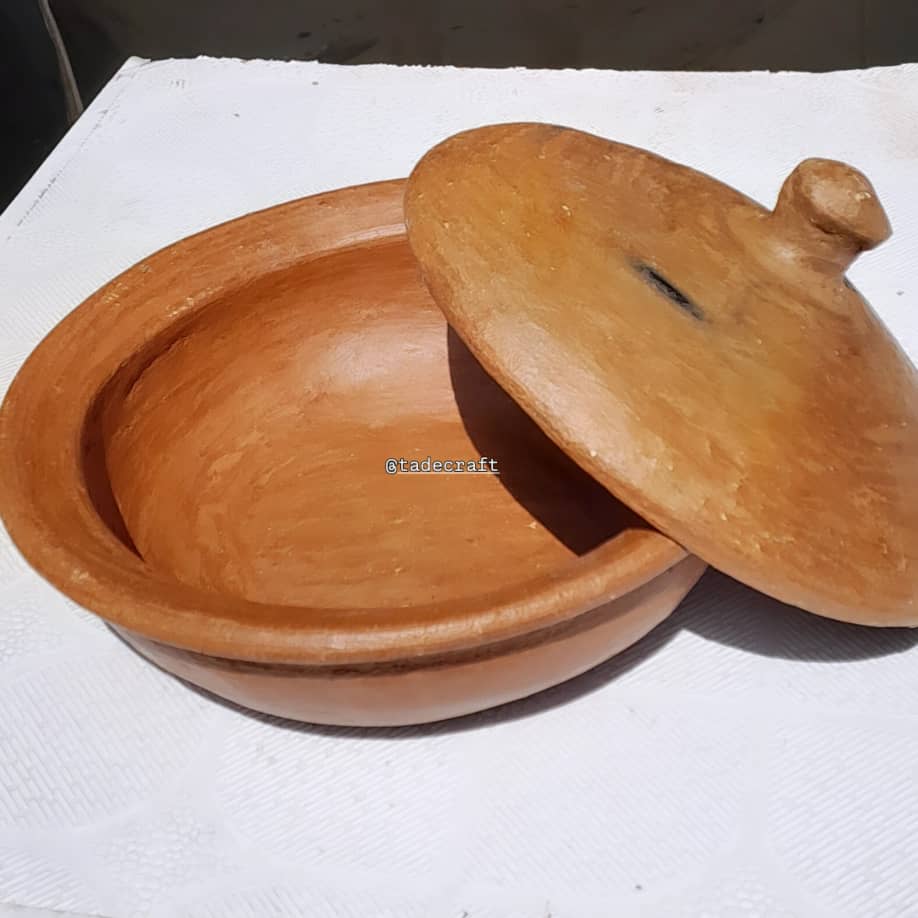
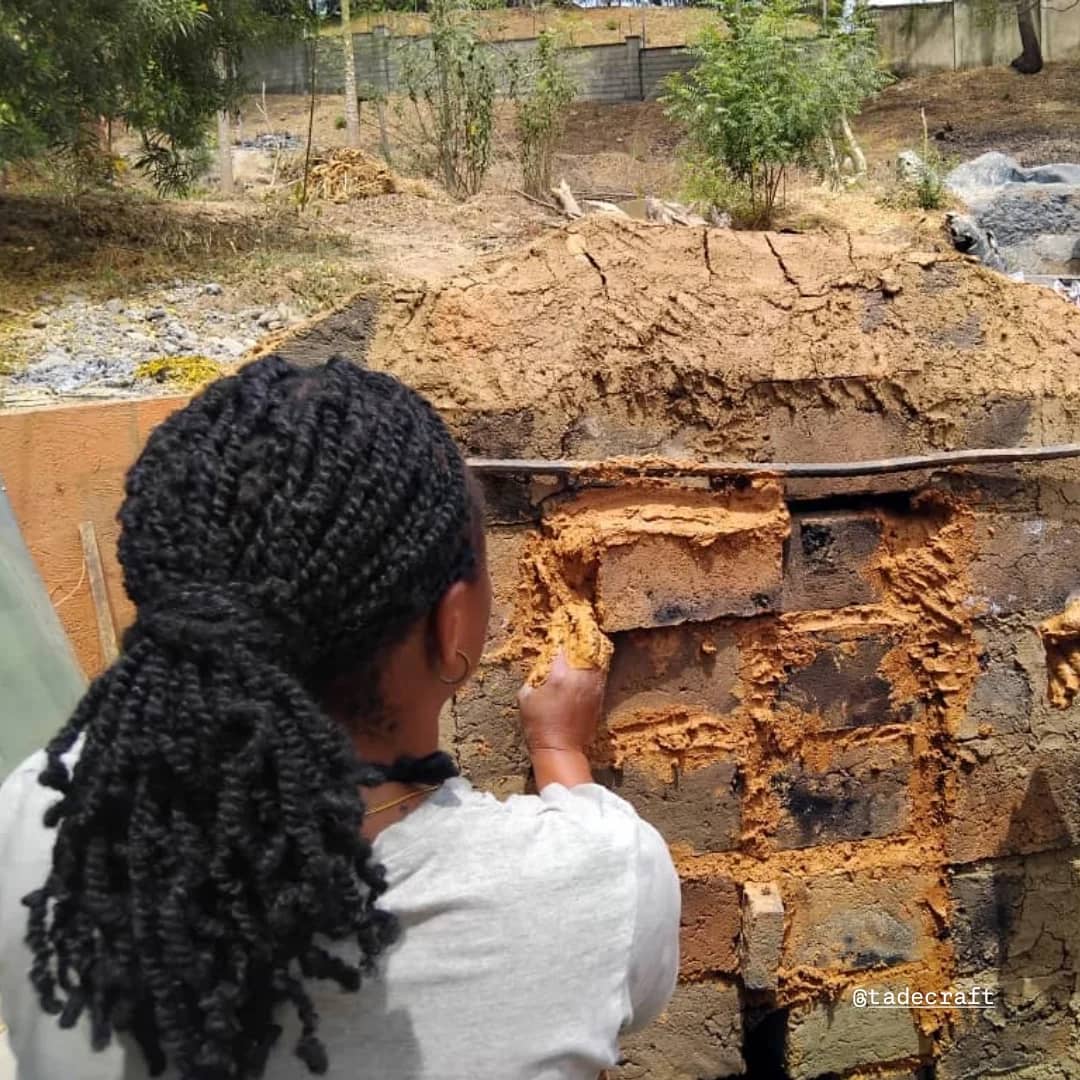
Bamikole said one of the recurring challenges she faces as a business owner in Nigeria is logistics, especially due to the fragile nature of pottery products. She said transporting ceramics requires a high level of care and professionalism, and unfortunately, there are very few logistics companies that offer the kind of specialised handling their work demands.
“At the moment, we’re not yet able to run our own in-house logistics system, so we’re actively seeking collaborations or partnerships with logistics companies, both within and outside Nigeria, that understand the delicacy of handmade products and are committed to professional service delivery. We’re also exploring partnerships with insurance providers to help mitigate the risks associated with transporting fragile goods”, she said.
Japa
The Creative Director of Tade Craft Limited said she is not a fan of Japa. According to her, she has chosen to stay in Nigeria because she sees potential in Nigeria. She said; “The issue of Japa is a big and often controversial topic. Personally, I’m not a fan of the Japa trend, but I also understand that people make decisions based on their own unique realities—and I respect that. Everyone has a right to pursue what they believe is best for their future. That said, I do think it’s important to reflect on why we’re leaving. If the decision is based solely on the belief that the grass is greener elsewhere, I hope it truly is—without forgetting that even the greenest grass still requires effort, care, and commitment to thrive.”

Se added; “For me, I’ve chosen to stay in Nigeria because I see potential here. I believe the impact I want to make globally can—and should—begin at home, by promoting and developing the resources we already have. Within my industry and my capacity, I know I can contribute to change and create something meaningful.”
About Bamikole
Bamikole Adeola Blessing hails from the historic and culturally rich town of Ekan-Meje in Kwara State, Nigeria, the fourth of five daughters in her family. Bamikole said she spent most of her formative years in Kwara State, where she completed both her primary and secondary education. After secondary school, she moved to Lagos and later gained admission into Kabba College of Agriculture, where she studied Agricultural Technology.

She graduated in 2017 as the Best Graduating Student with a National Diploma, a milestone that she said remains very dear to her. Afterwards, she returned to Lagos briefly before relocating to Abuja in 2019 to pursue a degree in Crop Science at the prestigious University of Abuja. Along the way, she said her passion for learning continued to grow.


