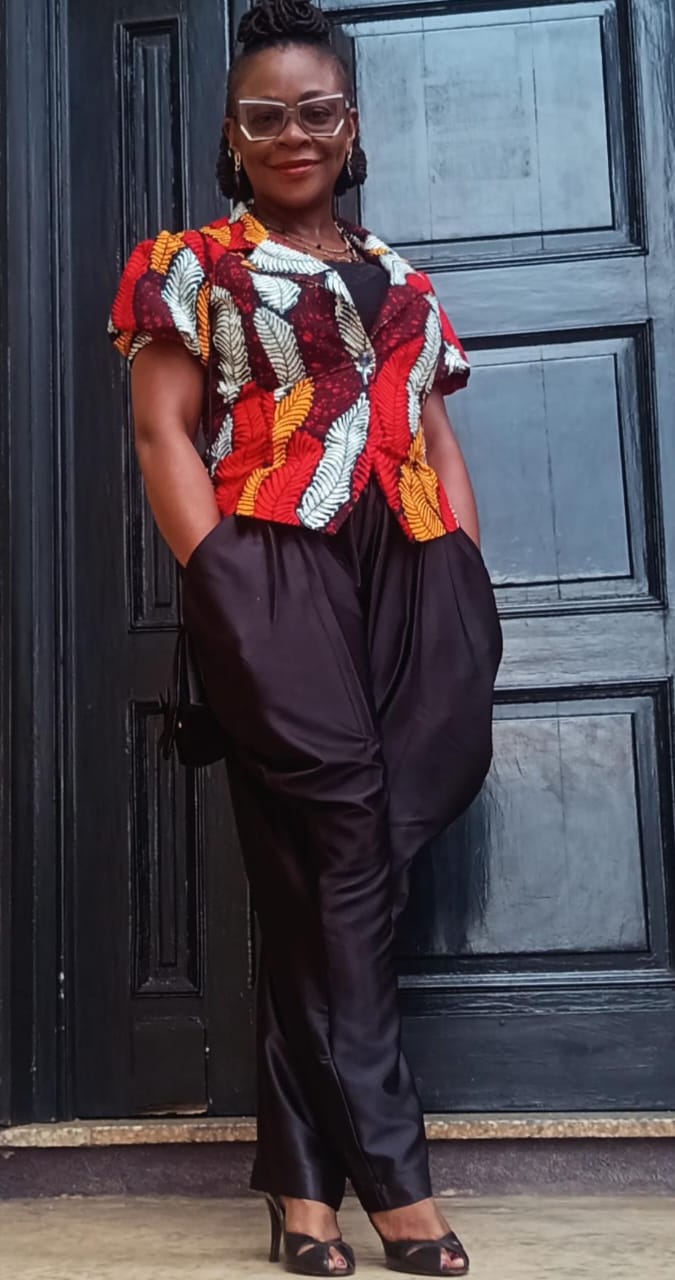
Akudo Lynn Ujagbo holds a degree in Geology from the University of Calabar and a Master of Business Administration (MBA), which she obtained while working in the banking sector. She is the Chief Executive Officer of MyFamilyCloset Nig. Ltd, a fashion business specialising in bespoke outfits for men, women and children, as well as ready-to-wear collections, including caftans.
By Eberechi Obinagwam
Akudo Lynn Ujagbo, a graduate of Geology from the University of Calabar, spent five years working in the banking sector, earning relatively good income. However, beneath the financial comfort was a growing desire for creative freedom, something she felt the regimented banking environment could not offer.
In 2012, she resigned to pursue a path that would allow her explore her creative abilities. A decision that surprised even her mother, particularly because it came at a time when many people were eager to secure banking jobs.
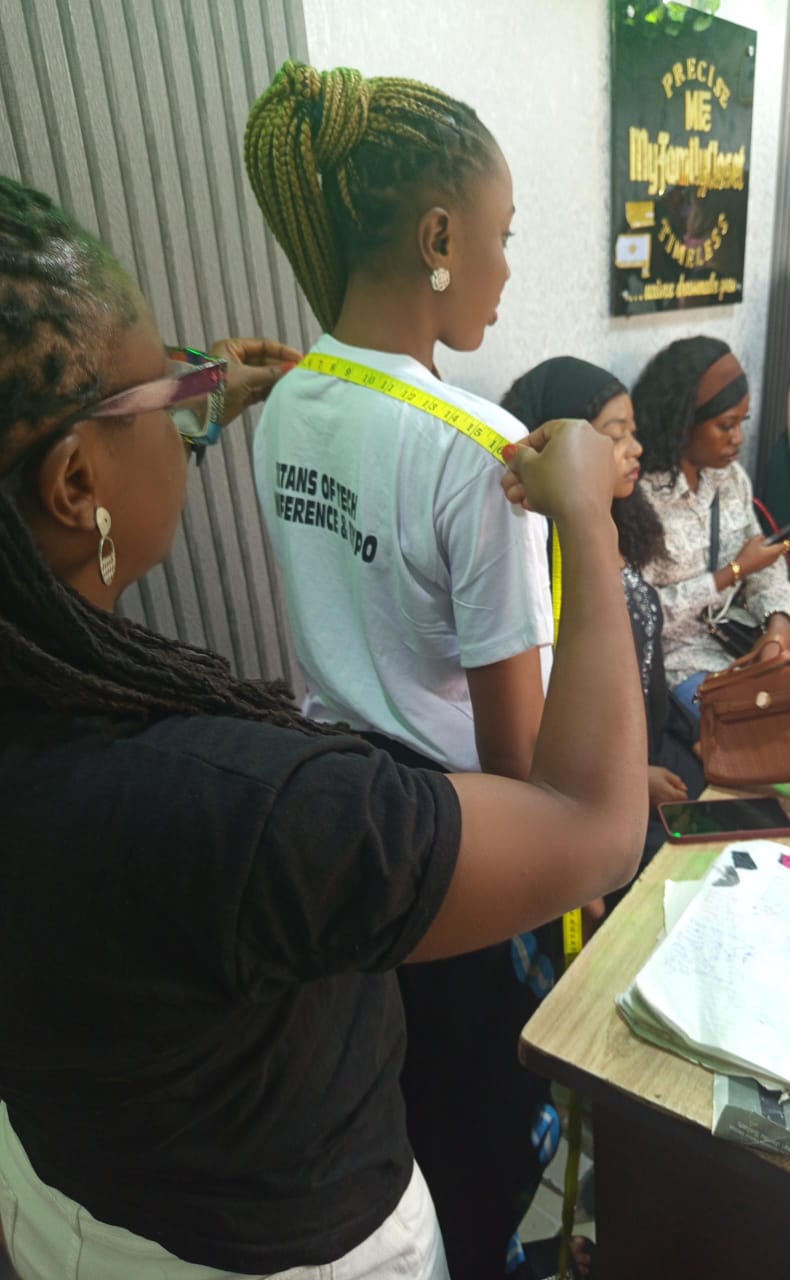
“I was choking. I wanted freedom. I wanted to express myself, but the banking system didn’t allow that because it was so regimented. It’s not just about the money. The pay was okay, but I wasn’t free. There were too many rules and regulations. I was functioning, but I was not functioning optimally. I needed to be free,” she told TheNiche in an interview at her fashion house in Ogba, Lagos.
Today, that pursuit has made her the founder of MyFamilyCloset Nig Ltd, a fashion brand specialising in bespoke outfits for men, women and children, with ready-to-wear unisex caftans also forming part of its offering.
Settling for Fashion
Before leaving the banking sector, Akudo was already thinking about the creative venture she wanted to pursue. She considered several possibilities, including writing, cooking and running a restaurant. She also explored drawing, as she was drawn to anything that allowed her to think outside the box. Fashion eventually stood out because of its versatility and the numerous opportunities it offered.
“Sewing and fashion were more like it for me because it’s endless. There are a lot of things you can do. So many things you can do with sewing. The niche is endless. If I decide to do only boxers, I’m okay. If I decide to do only jackets, I’m okay,” she said.
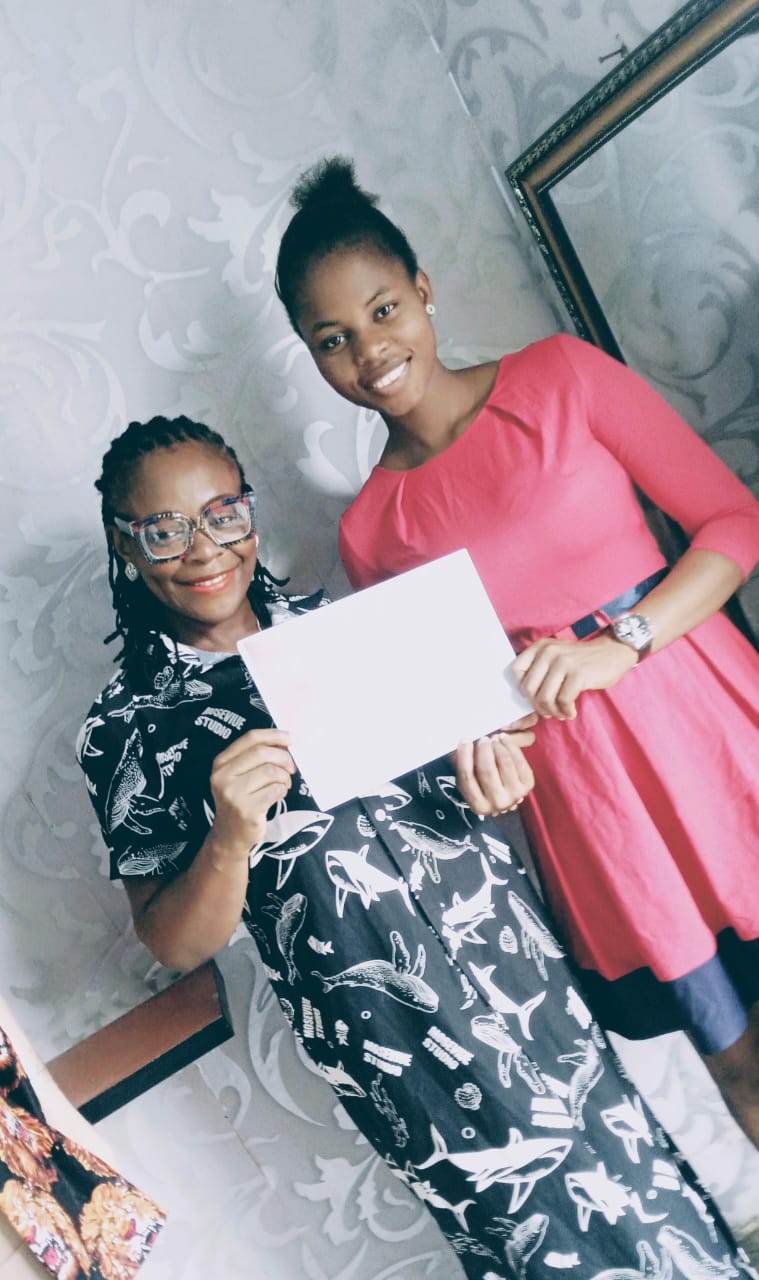
“When I resigned from the bank. I was married and pregnant. It was a problematic pregnancy. I was pregnant for twins and lost one so they had to place me on bed rest from the third month. During that period, I was sketching. My mind was free. I could feel myself again as that active person. It was like releasing me from heavy loads, I could think straight. I had a diary where I sketched because I was not doing anything. I just ate and slept. It was that time I decided that this was what I was going to do. I told myself; ‘once I give birth, I am going to a fashion school’. So, I was scouting around. Immediately after my son’s child dedication on Sunday by Monday, I had already started. That was in 2014,” she narrated.
Training
Akudo enrolled for a training programme that was supposed to last eight months but completed it in six because, according to her, “I had so much interest in it.” However, after completing the programme, she still felt empty.
“The training was like a university course. It was more like theory because they were just doing fashion school; they were not sewing. It’s not like they were sewing different designs.
READ ALSO:
TheNiche Young Entrepreneur: Adire by Kofoworola adds fresh perspective to Nigerian fashion sense
They were just teaching, and my notes were plenty: draw this blouse, all those pattern makings. “When I came out, I wanted to apply all those things that I was taught, but I realised I was not getting what normal tailors were getting. So, I decided to go for more training. If I was passing along, maybe I saw a fashion shop, I saw that this person could do blouse very well or any design, I would just go straight. I would tell the person that I was not registering for a six-month course; I wanted to learn how to make blouse, and I would pay. So, it’s an accumulation of experience from different places, not just one.”
She continued: “When I had my second baby, I travelled to Aba to learn how to make men’s wear. It cost me much because I had to go with a nanny that would take care of the baby while I learnt. I was in Aba three times to learn new things. One was for trousers, collars and buttons. I made sure I went for the best.
“And when I come back, you needed to see the improvement in my work. Even last year, I trained for jackets. There’s one guy that came from Port Harcourt that I paid for him to teach me. In this business, you need to keep upgrading, else nobody will patronise you.”
Launching MyFamilyCloset Nig. Ltd
After completing her training in 2015, Akudo began sewing from her sitting room. In 2016, she registered the business with the Corporate Affairs Commission (CAC). She explained that the name represents “every member of the family. Like in family wardrobe. So, most jobs I get are for families”, she said.
Moving from home sewing to a commercial space
As Akudo began taking orders from home, she encountered the challenge of underpricing, particularly from customers who felt she should charge less because she was just starting and operating from her house.
“I had people coming with their clothes, but the issue I had with some of them was that they felt because I just started, I shouldn’t charge at all. Perhaps I should just sew for them free. You hear them say, ‘But you just started yesterday. How would we pay you this kind of money?’ And it was more with people close to me. When you charge them based on what you did, they look at you as if you want to extort them. I made a lot of enemies because of it.
“They tell you, ‘But you are sewing from your house; you are not paying shop rent, so why are you charging?’ That was one of the things that pushed me from the house. I started from our sitting room, and later, we moved to a bigger apartment. I started using the visitors’ room. I used it for three years before getting a shop. I paid for it in 2018 and started operations in 2019. My husband didn’t want me to leave the house, but I told him no, that I can’t leave banking and come and be in a museum because house sewing has so many limitations.
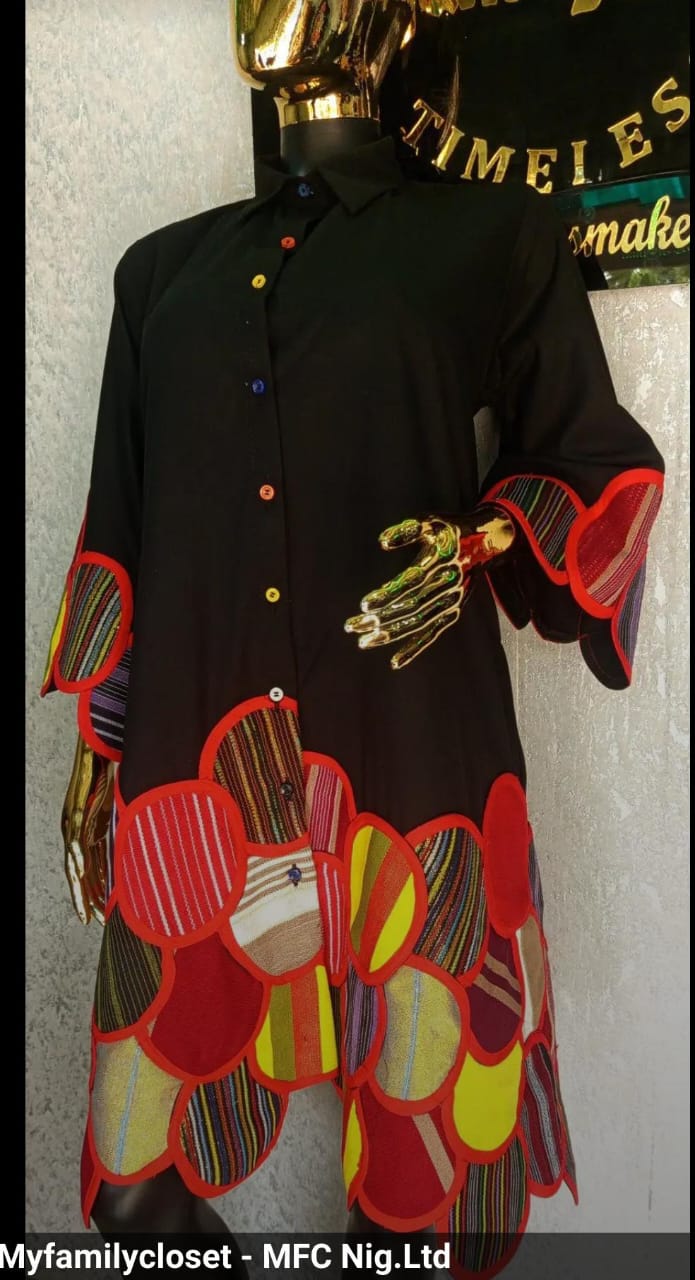
“When I got the shop, it was so big and empty that people were coming with products to ask me to help them display in my shop. Some even blamed me for renting such a big shop for a start, but I didn’t listen to them because I had a vision, and today it’s no longer the empty shop of yesterday,” she narrated.
Sourcing capital
The designer of MyFamilycloset Nig. Ltd described capital as a recurring need in business, saying the demand for money never ends unless an entrepreneur stops growing. “Even right now, I need money. If you give me money now, I know where to put it,” she said, laughing. She explained that while she was sewing from home, she did not fully appreciate how much capital she needed until she moved into a commercial space and realised there was more to invest in.
“Some of the machines I needed were too expensive. The first three to four years, I used any small money I made to buy one machine. But I had a very supportive husband when I started. He took care of everything. I was not paying bills in the house. It really helped me because I was able to save for this shop. I got this place with my money. I was doing a small contribution. When this opportunity came, I paid for it”, she recalled.
Penetrating the market
Akudo initially relied on word-of-mouth referrals, sewing for family and friends from her sitting room. As her work gained visibility, she began attracting more customers through referrals and personal recommendations. “I also get customers to sew for. When I wear my own outfits and they ask me to help them make something like that,” she said.
Launching a caftan line
Faced with underpricing of her ready-to-wear Ankara outfits, Akudo decided to create something different, particularly products that would be difficult for others to replicate after investing time and resources in their designs.
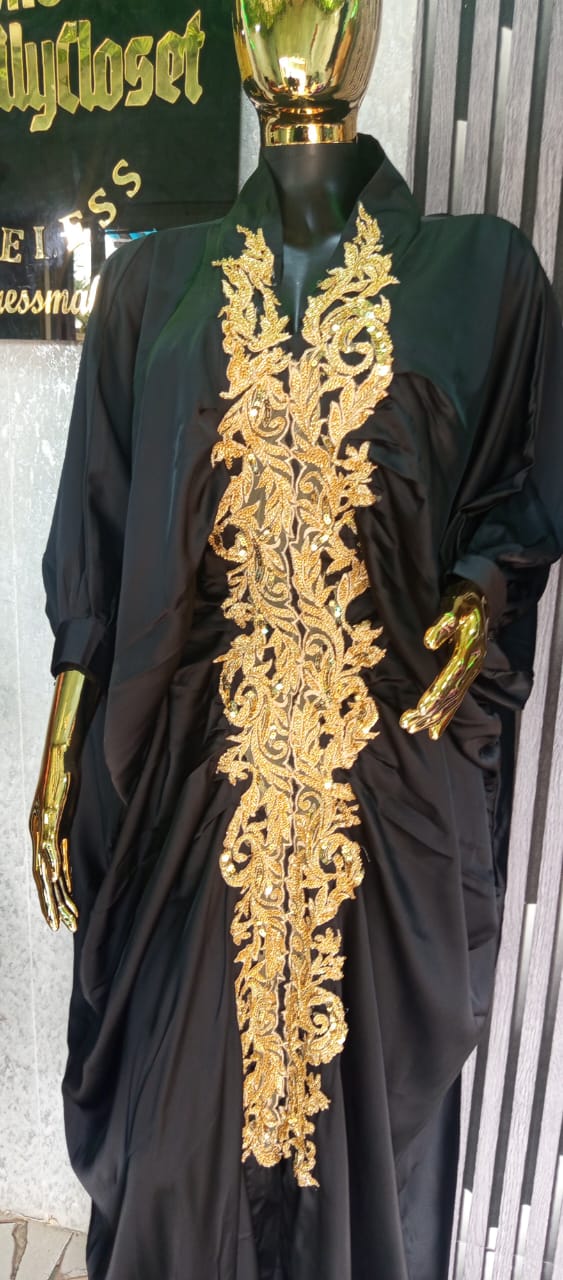
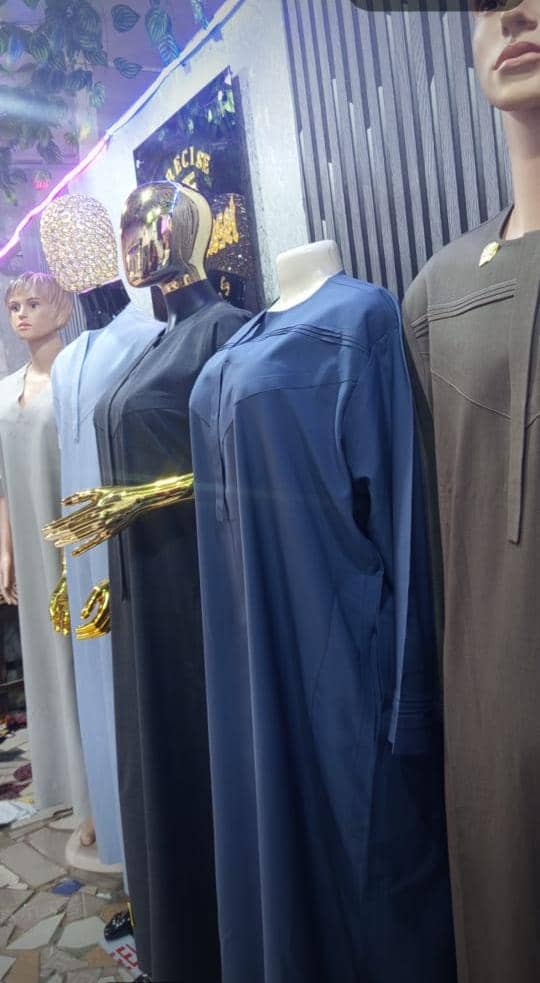
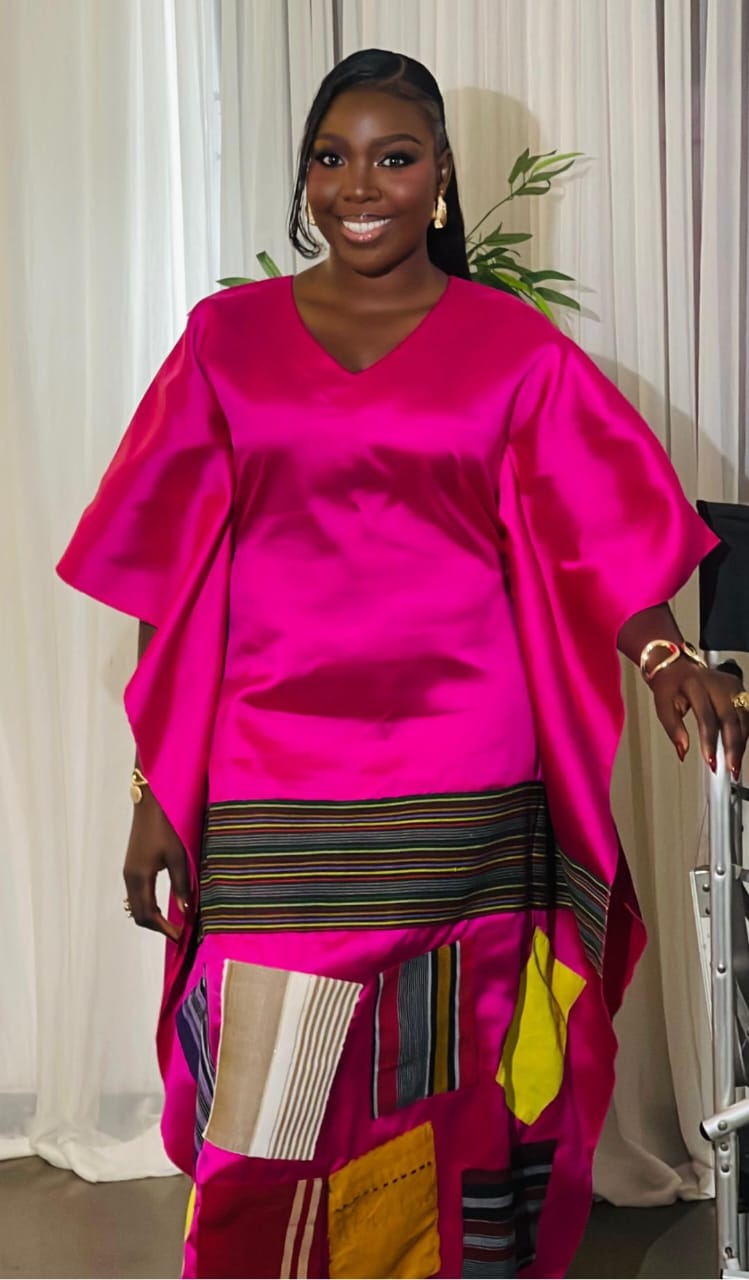
“Because Nigerians know Ankara fabrics and how much they are in the market, when you finish your designing and the rest, you tell them the price and they are like, why is it too expensive? Because they can easily go to the market and buy. It doesn’t mean anything to them. So, I decided to create something different from my usual ready-to-wear. I launched a caftan line four months ago. It cuts across gender, unisex and cashmere.
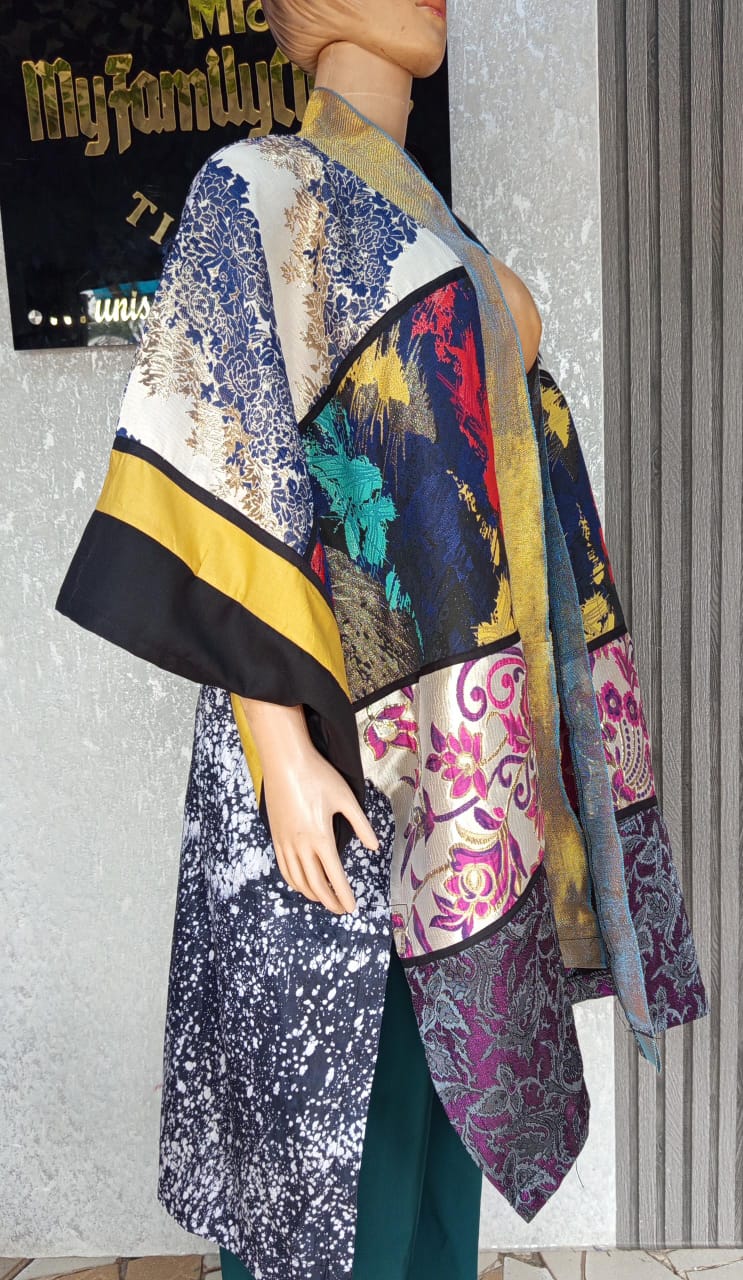
“I make them in such a way that you can’t copy me because you don’t know where I am sourcing my fabrics. Unlike the Ankara, you can go and source the materials. This one, no. I source the fabrics myself, and the design comes from my brain, so you can’t copy me. Mine is different. My challenge now is sales and underpricing, too. You can’t sell only in the shop because they will underprice you and ask you, ‘Is it not the normal caftan?’ One man came here to price it for N10,000. I couldn’t help but laugh,” she said.
Early experiences
Akudo’s early experiences as a fashion designer ranged from funny to challenging, with some of her first attempts at making clothes for men leaving her with unforgettable memories.
She recalled an incident when she made an Ankara outfit for her husband to wear to a function. Having just completed her training, she wanted to test her skills, but the outcome was far from what she expected.
“As we got to the venue and my husband was about to come down from the car, the trousers started tearing. And as he tried to raise his hands, it tore too. He quickly sat back in the car and said, ‘Baby, what is this now? You would have told me you don’t know this thing, eh?'” Akudo recalled, laughing.
“It was an Ankara uniform for a function from their office. When he brought it home, I told him I would sew it for him. I had just finished my training, and I wanted to try my hands on it, but it turned out so funny. That was actually what made me travel to Aba to learn from the best. I didn’t know much about men’s wear then.
“I recall asking him to give me his measurements to sew for him while I was undergoing training in Aba, and he said, ‘Please, use your brother’s measurements.’ That got me laughing. I had so many experiences starting up. I sewed one for my brother, and he called me, ‘Akudo, what’s this thing that looks like a palm-wine tapper?'” she recalled, laughing.
“But today, the story is not the same. I sew for families, male, female and children.”
Breakthrough
Akudo’s breakthrough came when a relative in the United States gave her a bulk order to make outfits from expensive “Isi Agu” fabric. Although she had handled bulk orders before, this job was different because successfully completing it earned her more orders from abroad.
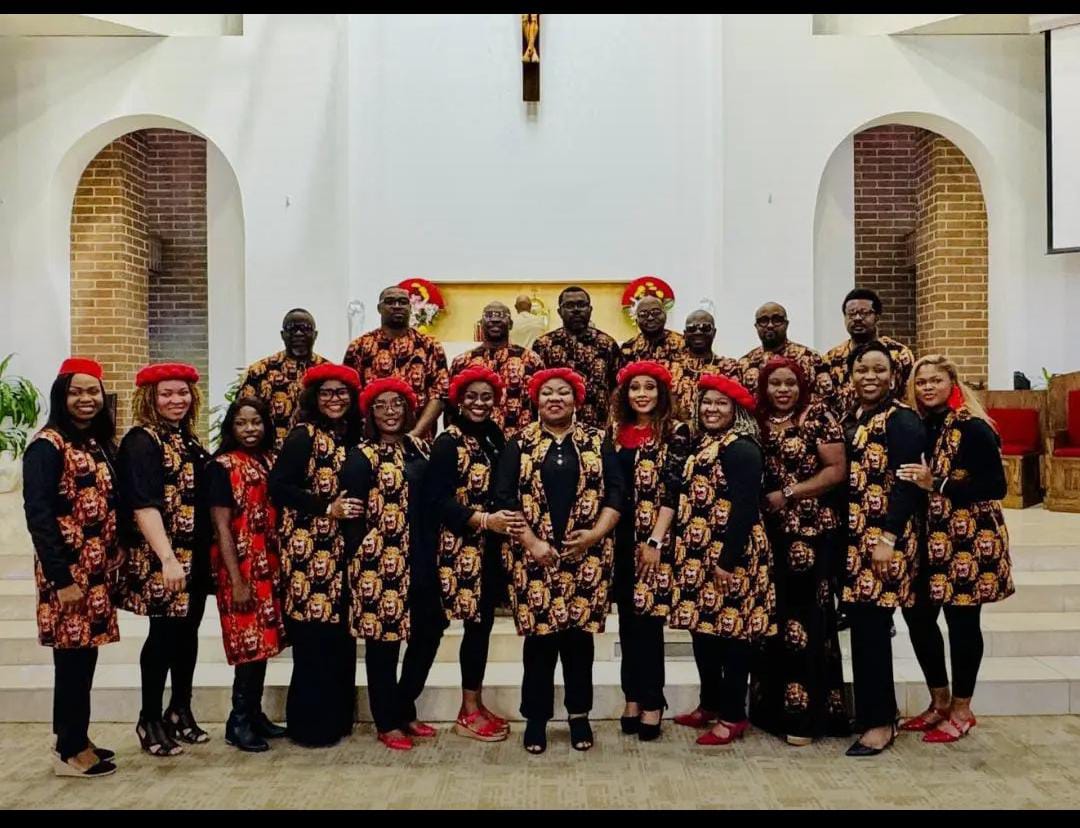
The order involved making outfits for choir members that her relative was part of. Each yard of the fabric cost N20,000, making the assignment a significant responsibility.
“It was when my relative gave me a bulk job from the US. It was on trust because it was Isi Agu fabrics, and it was expensive. A yard was N20,000, and it was for choir members, and my relatives were part of them. There were other people, too, who wanted the contract, so he asked me, ‘Akudo, are you sure you can do this?’ I said I would try, and he said, ‘Akudo, I don’t want try. I want to know that you can do it,’
“I did 200 yards. First, they needed only one source, so I had to source the fabrics. And as a tailor, if you are not the one who took the measurements, you have to be extra careful. To the glory of God, I did it excellently. There was no single mistake. I did it myself for two months. And after that job, I started getting more international jobs. That really built my confidence.”
Challenges running a business
Akudo identified inadequate electricity and staffing as major challenges facing her business in Nigeria. She explained that whenever there is a power outage, she spends more on fuel, which eats into her already small profit margin.
“Staff, you can come in the morning and not see any of them. Then, if you are not prepared for that day or you don’t know how to sew, it will be a very big problem,” she said.
She also identified funding and pricing as other challenges. According to her, many people do not understand that fashion designers, like professionals in other fields, also need to earn enough to afford vacations, buy houses and make plans for their future.
“If you have handwork, you should be able to plan for your retirement. There should be room for continuity. You should be able to have leisure. And it all centres on pricing. It’s only in Nigeria they don’t price well. People abroad appreciate what you do more,” she said.
Japa
The founder of MyFamilyCloset Nig. Ltd said she still believes Nigeria can work, arguing that the country’s problems are man-made rather than natural disasters.
“If they can fix light, 50 per cent of our problems will be over. There was a time I nursed the idea of leaving, but I still believe in Nigeria because it’s easier to be a king here. If you go there, you will have to start afresh, so it’s easier to establish yourself here.
“Look at the Chinese; they are everywhere. They are having issues with Nigerians in Computer Village because they are bringing in their products and selling them cheaper. I went for a training, and they told us not to think that the Chinese are coming; they are already here competing with us, so we have to do something. We need to replicate what they are doing.
“The training brought educated people in the fashion industry together to think of what we could do. For the first time, I learnt that Nigerian designers grow cotton. You can’t get pure cotton in China, but there is a young man growing it in the South-West.
“People are coming back, so why are you leaving? I also met someone doing fabric printing in Lagos, and I think she is the only one doing that in Lagos. There is a lot to do in Nigeria than to japa,” she said.
About Akudo
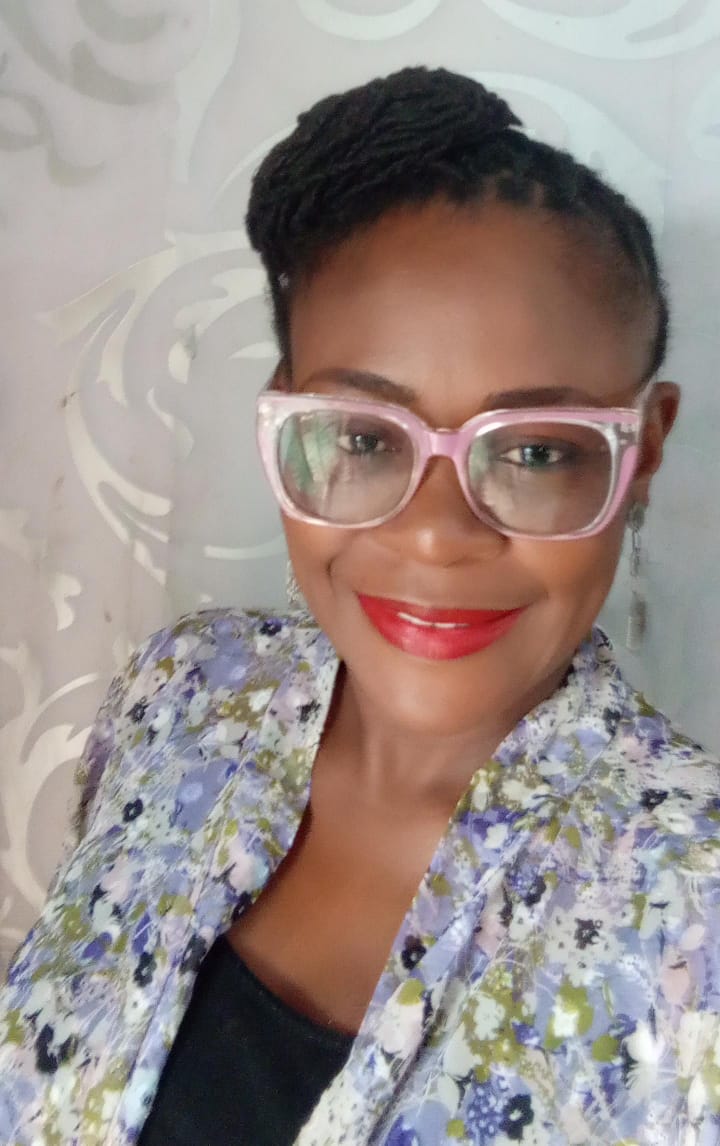
Akudo holds a degree in Geology from the University of Calabar and a Master of Business Administration (MBA), which she obtained while working in the banking sector. She is the Chief Executive Officer of MyFamilyCloset Nig. Ltd, a fashion business specialising in bespoke outfits for men, women and children, as well as ready-to-wear collections, including caftans.
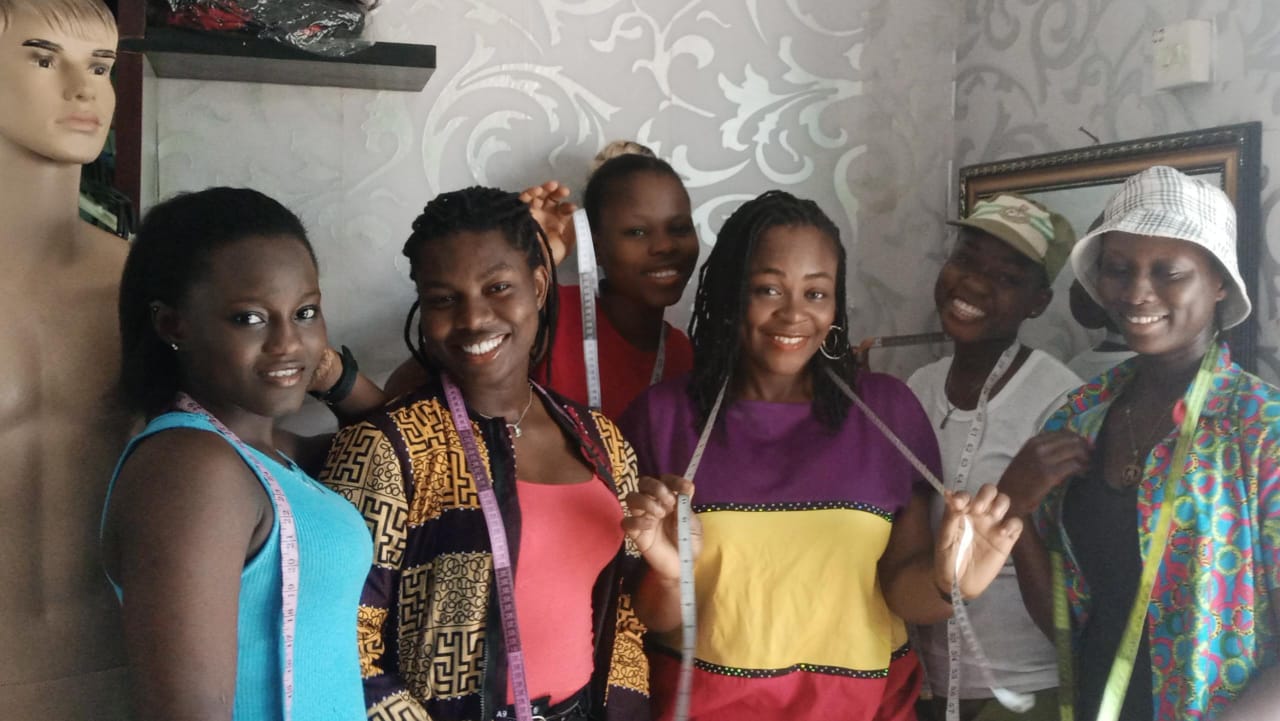
Her business was selected for the Lagos Fashion Business Masterclass, among 1,000 participants drawn from 36 states. Beyond running the business, Akudo trains and employs workers and mentors many young people interested in the fashion industry.