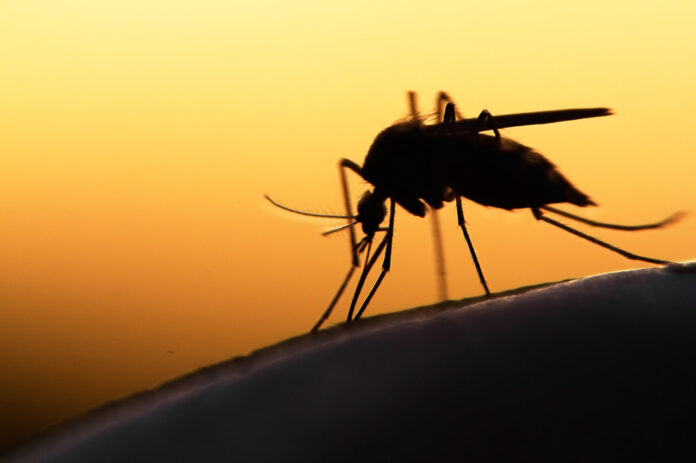
A number of civil society organisations have kicked against the plan to deploy genetically modified mosquitoes as a control measure against malaria infection.
A statement by Nnimmo Bassey on behalf of the organisations says they rejects the introduction of the transgenic mosquitoes and other risky, unproven technologies in Nigeria.
They argue that the technologies might pose serious risks to humans, biodiversity and the ecosystem.
“That regulatory pathways for genetically engineered vector control of mosquitoes are actually rigged pathways to make our environment the test ground for the risky and needless experimentation.
“From our experience with genetically modified food crops in Nigeria, having the provisions in place to regulate the release of such organisms is equivalent to express permits for their introduction.
“The agency responsible for this regulation acts more like a promoter of the technology than a regulator.
“Nigeria must show leadership in the protection of African biodiversity and not allow an agency of government run amok with whatever technologies promoters suggest to it.
Another statement by Mariann Bassey-Orovwuje of the Food Sovereignty Programme of Friends of the Earth Nigeria and Africa, said: “The shortcoming of these transgenic mosquitoes is already evident from the experiments done in Brazil and in Burkina Faso.
“The release of millions of genetically modified mosquitoes in Brazil between 2013 and 2015 by the biotech company, Oxitec has proved fatal.
“In July 2019, the genetically modified mosquitoes were released in Bana village in Burkina Faso, by the Target Malaria research consortium as an initial test run before the open releases of gene drive mosquitoes, with the aim to reduce population of Anopheles mosquitoes that causes malaria.
“The failure includes the incidental release of some biting female mosquitoes during the experiments, which put the community people at risk.
“Also, Target Malaria made claims of community acceptance for the project whereas testimonies from community people revealed that they have not been properly informed about the project or its potential risks.
“This is not different from the experience we have had with genetically modified cow-pea and cotton, which have been approved for commercial release in Nigeria,” The group stated. (NAN)