Nigeria’s cheap food dilemma: When lower prices come at farmers’ expense
By Ishaya Ibrahim
In July 2024, barely a year into President Bola Tinubu’s inauguration as Nigeria’s 16th head of state, taxes on imported food items were removed for 150 days to cushion the impact of runaway inflation.
Food inflation had risen from 22.41% as of May 29, 2023 when President Tinubu took the oath of office to 40.87% a year later. The result was that a bag of rice which was being sold between N40,000 to N48,000 depending on the brand, jumped to between N90,000 and N100,000. This was also the period Architect Kabir Ibrahim, president of All Farmers Association of Nigeria (AFAN) said the year 2024 was a potential year of agricultural prosperity and food security.
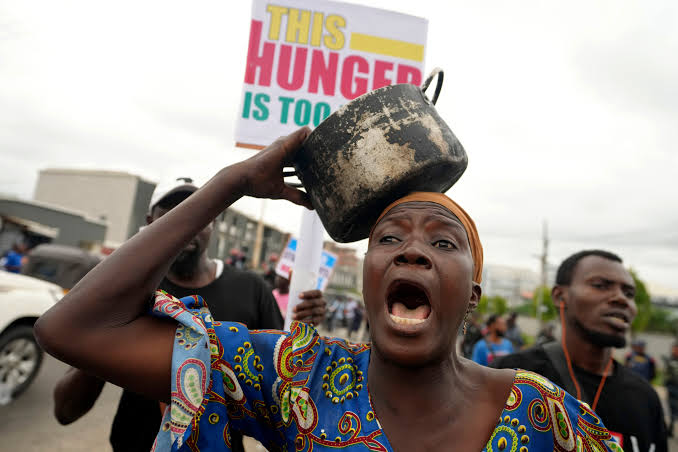
But across households, the pain of the sharp price rise was causing rumblings, with cost of living protests springing up. That immediately jolted the presidency into incentivising food imports. And as imported food started flooding the market, food prices started to ease.
According to inflation data from the National Bureau of Statistics, food inflation decelerated from 37.77% year on year in September 2024 to 16.87% the following year. Although the measuring metric changed, the reality was that prices became pocket friendly.
According to the NBS, the driving forces for the price decline were items including guinea corn flour, maize flour, local rice, sorghum and others.
But as cheaper food was providing succour to most Nigerians, farmers were having a rough time.
Before the government’s intervention, Ayodele Olorunfemi, a farmer in Jigawa State was reaping substantial returns from sorghum farming. His 28 acre farmland was generating sizable profits that was sustaining his farming business.
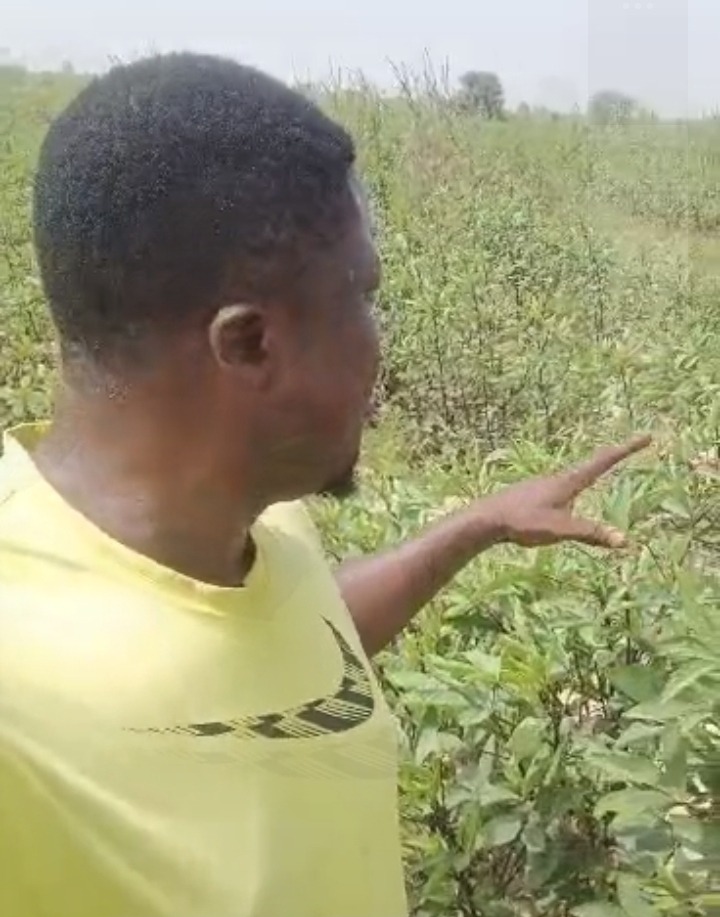
But as food imports reshape the market, Olorunfemi found himself struggling to turn harvests into profits. His produce could no longer compete with cheaper imported grains. Storage was also costly, and there were no future guarantees that it would pay off. Olorunfemi was left with the only choice of selling his produce at the prevailing market rate (far below cost price), just to mitigate his losses. In the farming year 2025, he posted nearly N6 million in losses, mainly because a price of fertilizer could buy nearly three bags of the harvested sorghum.
Olorunfemi has since abandoned sorghum farming, a staple crop heavily consumed in Northern Nigeria for hibiscus flower mainly used for zobo drinks. According to Olorunfemi, federally-backed imports of sorghum and other food crops have dealt mortal blows to crop farming.
“You buy a bag of fertilizer for N72,000 and and sell a bag of sorghum for N28,000. How do you reconcile that?” Olorunfemi queried.
He added: “After losing almost N6 million in sorghum cultivation, I decided not to cultivate grains again because of the cost of fertilizer. So what I do now is to farm hibiscus flowers, which do not need fertilizers.”
Architect Kabir Ibrahim who had declared the year 2024 as the potential year of farmers prosperity, has changed views. In a January 2026 report in the Daily Independent Newspaper, he said falling food prices and high production costs were putting farmers under pressure.
Hear him: “A high food import bill in a highly populous nation portends low productivity which is inimical to economic growth. Nigerian farms will not enthusiastically keep producing items in which they are not able to break even, so invariably the country will suffer scarcity due to lethargy.”
On Olorunfemi’s farmland are bushes of hibiscus, a cash crop also used in traditional medicine, skincare, and gardening. Its cultivation, aside labour, requires no fertilizer and chemicals to cultivate. That makes it attractive to the farmer.
“Hibiscus farming is more lucrative for me. That is where I’m investing for now,” he told TheNiche in an interview.
He said he would only return to his sorghum farming when the federal government changes its approach. “What the federal government needs to do is simple. Instead of importing food items from abroad, they should buy from us, the local farmers.”
He added: “They should also subsidize fertilizer as well, instead of subsidizing imports.”
Financial analyst with Nairametrics, Kelechi Mgboji, identified the lack of silos for food preservation, soaring transportation cost, banditry among other reasons affecting the lack of competitiveness of the Nigerian crop farmer in the global food industry.
“We have no option than to do food imports because we cannot sustain ourselves,” he said. “Before the import window opened, prices of food were unbearable. People couldn’t take care of themselves. But once the import window opened, the price crashed from N90,000 for a bag of rice to about N50,000.”
For Mgboji, Nigeria is blessed with massive agricultural land, but only few people have tractors and other modern farming equipment to cultivate. He said even those with the resources to cultivate huge farmland, banditry would not allow it to thrive.
According to the analyst, Nigerian farmers should concentrate more on cash crop cultivation like hibiscus and ginger until the government creates the right environment to make crop farming competitive.
According to Statitista, a global data and business intelligence platform, Nigeria’s food industry in 2025 is estimated to be worth approximately US$233.53 billion. It is still not clear how much of that share can Nigerian farmers capture as food imports dominate the market.