NED 2026: Stakeholders to demand remediation from IOCs before oil asset divestment
More than 150 stakeholders in Nigeria’s extractive sector are expected to converge in Port Harcourt, Rivers State, on September 29 and 30, 2026 to demand that environmental remediation and cleanup precede the transfer of oil assets by international oil companies (IOCs).
The demand will form part of discussions at the fifth edition of the National Extractives Dialogue (NED2026).
The dialogue, organised by Spaces for Change (S4C) in partnership with the Nigeria Extractive Industries Transparency Initiative (NEITI) and the National Oil Spill Detection and Response Agency (NOSDRA), with support from the Ford Foundation, has as its theme: “Remediation Before Divestment and Energy Transition: Amplifying the Bille Environmental Crisis.”
The event is expected to bring together government officials, regulators, civil society organisations, host community representatives, academics and private-sector players to discuss the future of extractive governance in Nigeria.
According to S4C, the dialogue comes at a time when Nigeria’s oil industry is undergoing significant changes, including accelerated divestment of onshore assets by IOCs and the country’s push towards energy transition.
The organisation, however, warned that the transition must not leave oil-producing communities with unresolved environmental liabilities.
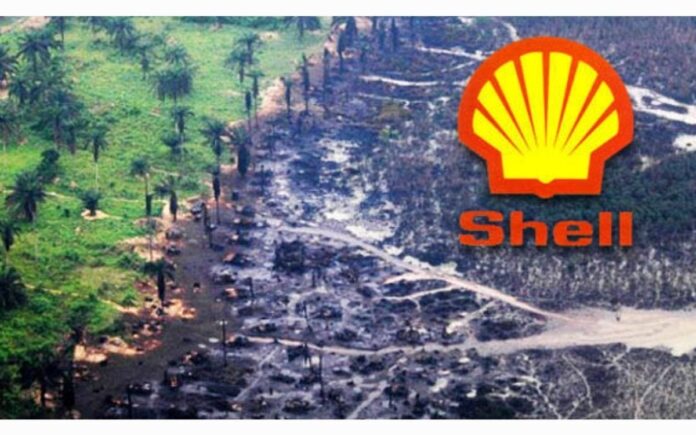
It identified Bille Kingdom in Degema Local Government Area of Rivers State as a key focus of this year’s dialogue, citing reports of persistent environmental challenges in the community.
Bille hosts major oil assets, including Oil Mining Leases (OMLs) 18 and 24.
S4C said reports from affected communities and preliminary field observations indicate alleged gas leaks affecting waterways, creeks, residential areas and agricultural livelihoods.
The organisation stressed that technical assessments are still ongoing and that scientific investigations are required to establish the source and extent of the reported environmental problems.
It said residents of Bille are also awaiting immediate relief measures, including access to clean water.
S4C said the ongoing divestment of onshore assets to domestic operators makes it imperative for companies and regulators to clearly establish responsibility for historical environmental liabilities before ownership changes are completed.
It called for comprehensive technical source-tracing, stronger inter-agency collaboration and corporate accountability among the entities operating in affected areas.
According to the organisation, responsible decommissioning, environmental cleanup and effective coordination among relevant government agencies should be treated as prerequisites for asset transfers and energy-transition plans.
The concern is that without such measures, communities could continue to bear the environmental and socioeconomic consequences of oil production even after ownership or operatorship of the assets has changed.
NED2026 will adopt a grassroots approach, allowing residents of Bille and neighbouring riverine communities to directly engage regulators, industry operators, security agencies and civil society organisations.
The organisers said the platform would provide affected communities with an opportunity to demand transparency and accountability from both government and industry.
Since its establishment, the National Extractives Dialogue has sought to provide a platform for discussions around extractive-sector governance in Nigeria and the wider West African region.
S4C said previous editions had contributed to community-led initiatives, regulatory reforms and increased public discourse on accountability in the extractive industry.
The 2026 edition is expected to focus on practical strategies for addressing environmental liabilities as Nigeria navigates oil-sector divestments and its broader energy transition.
The dialogue will also place the Bille environmental situation at the centre of discussions on whether Nigeria can pursue a transition to a lower-carbon energy system without leaving communities exposed to the legacy impacts of fossil-fuel extraction.