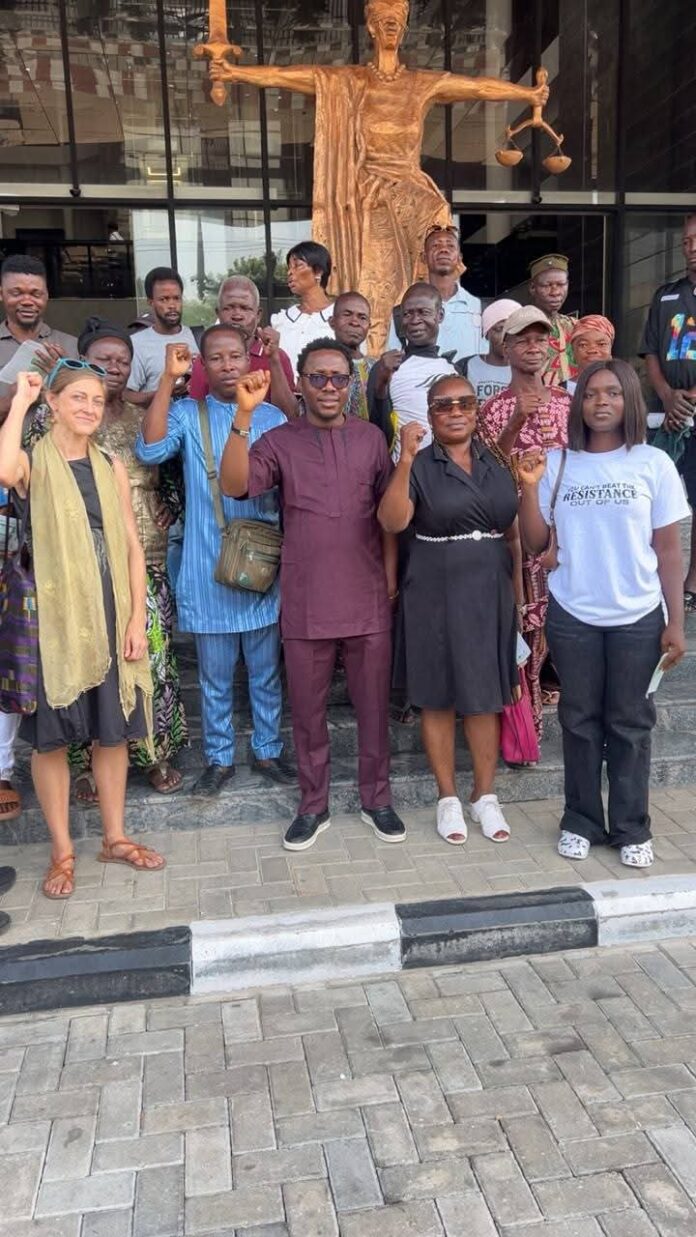
Makoko demolitions: Activists storm court as Soweto’s N70m suit against AIG Jimoh Moshood stalls over judge’s absence
By Ishaya Ibrahim
A fundamental rights suit filed by activist Comrade Hassan Taiwo Soweto against Assistant Inspector-General of Police Jimoh Olohundare Moshood stalled at the Federal High Court in Lagos on Wednesday due to the absence of the presiding judge, Justice F.N. Ogazi.
Soweto is seeking N70 million in damages from Moshood, the Nigeria Police Force and the Police Service Commission (PSC). He is also asking the court to compel the police to retrain Moshood in modern policing.
The suit stems from a protest against demolitions and alleged land grabbing held on Jan. 28, 2026, at the Lagos State House of Assembly by residents of Makoko and other waterfront communities facing displacement. Soweto, who coordinated the protest, accused Moshood of personally participating in his beating, which allegedly caused a lower back injury.
At the previous sitting, Soweto’s lawyer, Lilian Ogbebor, said two attempts to serve Moshood with the originating processes had failed because the AIG was allegedly evading service.
The judge subsequently ordered substituted service through the police legal department. The case was then adjourned to Oct. 28, 2026, for a report on service.
However, proceedings stalled on Wednesday due to the judge’s absence. Following consultations with the parties, the court registrar fixed Nov. 25, 2026, for the next hearing.
Ogbebor, who addressed journalists after the adjournment, said the suit aims to hold police officers accountable and protect Nigerians’ right to peaceful assembly.
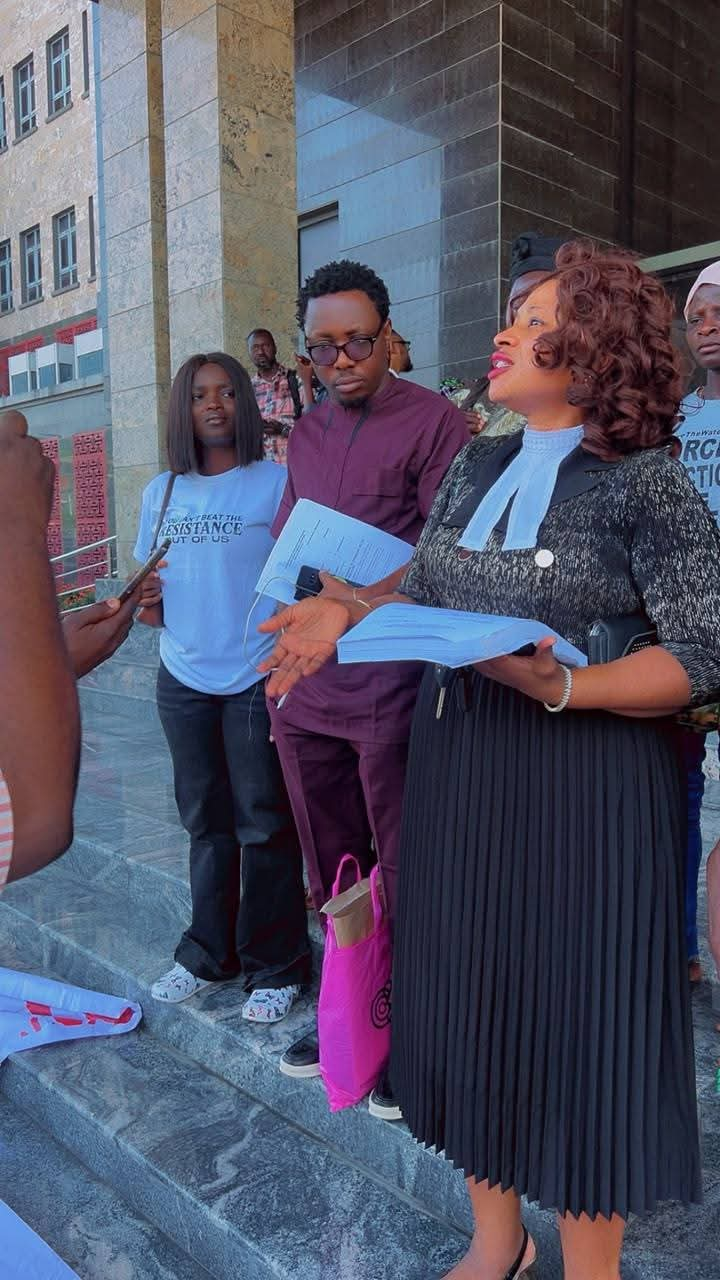
“The crux of it all is that this fundamental rights action is actually out there to curb police brutality on Nigerian citizens, because Nigerians have the right to protest. They have the right to peaceful protest,” she said.
Megan Chapman of Justice and Empowerment Initiatives, who attended the proceedings to show solidarity with Soweto, expressed disappointment over the delay.
Chapman said the case reflected a broader pattern of delays in fundamental rights suits, which she argued should receive speedy hearings.
“This is what happens in many of our fundamental rights cases where we expect swift justice. A fundamental rights case is supposed to be heard within two months under the Fundamental Rights (Enforcement Procedure) Rules. But this case was filed in April 2026, and now it is the end of October 2026, yet the court has not addressed the substance of the matter,” she said.
“We are very disappointed that the court could not sit today because it is a waste of resources and effort,” Chapman added.
Another activist, Jude Ojo, said the January 28 protest at the Lagos State House of Assembly was peaceful before the police disrupted it.
“We were not expected to go into violence but to protest peacefully. And that was what we did,” Ojo said.
Recounting his experience, Soweto alleged that Moshood, who was then the Lagos state commissioner of police, joined about six other officers in beating him for more than 30 minutes.
Soweto attributed the alleged attack to his prominent role in demonstrations across Lagos, particularly following the #EndBadGovernance protests of August 2024. He alleged that state authorities and police leadership had targeted him because of his activism.