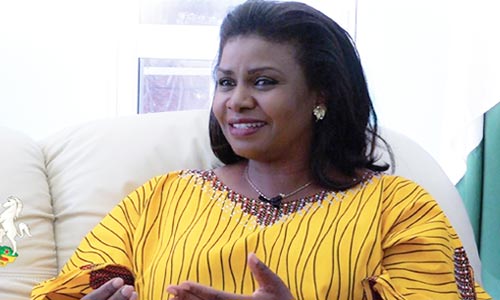
June 12: IBB saved Nigeria from a bloodbath, says ex-envoy, Lilian Onoh, in explosive memoir
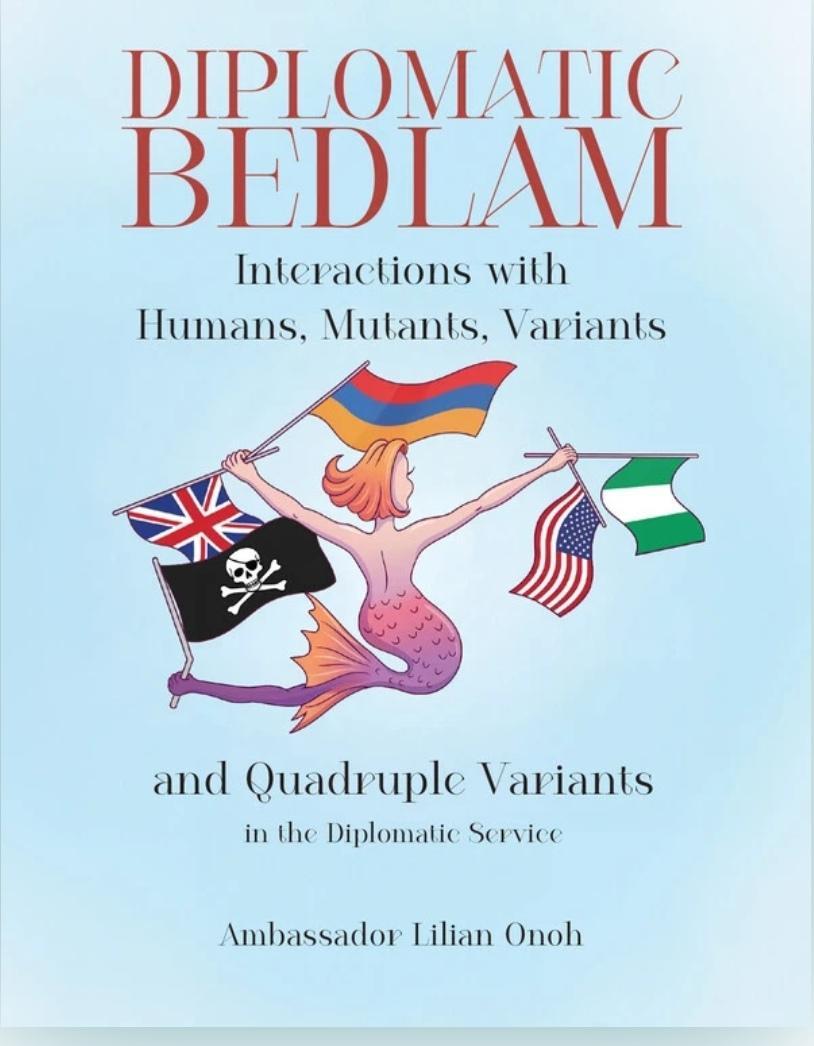
The controversial book
Three decades after Nigeria’s most controversial election annulment, a former Nigerian diplomat has reopened one of the nation’s deepest political wounds with a claim certain to ignite fierce national debate.
In her newly released memoir, “Diplomatic Bedlam”, former Nigerian High Commissioner to Namibia, Ambassador Lilian Onoh, argues that the annulment of the June 12, 1993 presidential election by former military ruler General Ibrahim Babangida (IBB) prevented what she describes as an imminent ethnic bloodbath against Igbos in Lagos and parts of Western Nigeria.
The memoir, subtitled, “Interactions with Humans, Mutants, Variants and Quadruple Variants,” largely chronicles bizarre, often shocking experiences from her three-decade diplomatic career. But one of its most explosive chapters, titled “June 12 And The Real Reason Abiola Did Not Become President,” ventures into territory long treated as politically untouchable.
Onoh recounts an incident at the Foreign Service Academy in Lagos where, according to her, a Yoruba colleague openly threatened that once presumed winner MKO Abiola was declared as the winner, Igbos would face mass killings; and specifically boasted that he would personally take over the Queens Drive residence of the late Biafran leader, Chukwuemeka Odumegwu Ojukwu, after the anticipated Igbo killings.
She alleges that fear of ethnic violence spread so deeply before the election that many Igbo families quietly fled Lagos in anticipation of attacks reminiscent of the 1966 pogroms that preceded the Nigerian Civil War.
According to the former envoy, security agencies and the Babangida administration were aware of the looming danger, as were those who have buried the truth in what she terms a re-engineering of the truth.
“IBB can never openly say this,” she writes in essence, arguing that the former ruler would face overwhelming backlash from entrenched interests that have shaped the dominant narrative surrounding June 12.
Her position sharply contrasts with mainstream historical narrative that portrays the annulment as one of Nigeria’s gravest democratic betrayals. Instead, Onoh insists the election itself stood on shaky legal ground because it proceeded despite a subsisting court order.
She further questions the democratic legitimacy of a transition process in which the military dissolved organically formed political parties and imposed two state-created platforms lacking ideological substance.
Yet the memoir stretches far beyond politics.
Filled with vividly named characters such as “Ambassador Smallpox-Pancake,” “Ambassador Chewing-Gum Rat,” and “Ambassador Nivaquine Malaria Parasite,” the book paints Nigeria’s foreign service as a theatre of absurdity, corruption and diplomatic intrigue.
Whether embraced as revelation or condemned, the memoir is already poised to reopen one of Nigeria’s most emotionally charged national conversations.
“Diplomatic Bedlam: Interactions With Humans, Mutants, Variants and Quadruple Variants” by Ambassador Lilian Onoh is available on Amazon, Barnes & Noble, Streetlib.com, kobo.com, Magersandquinn.com and other websites.