Jagaban studies the crowd, opposition follows it
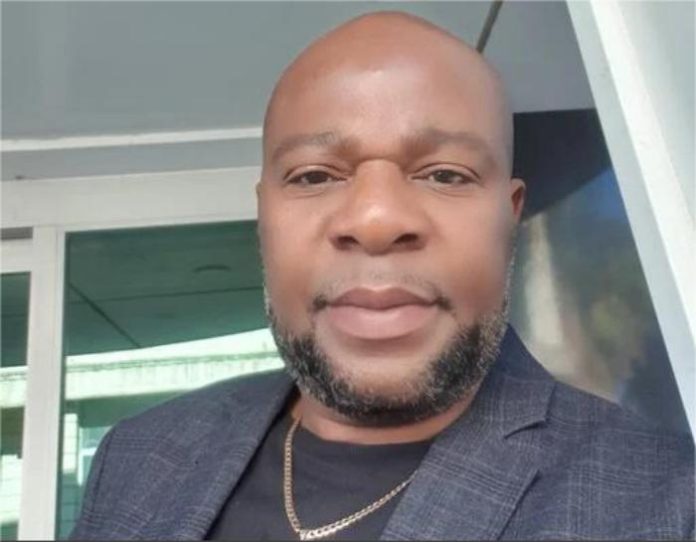
By Ogechi Okoro
President Bola Ahmed Tinubu has spent decades navigating Nigeria’s political labyrinth, forging alliances, orchestrating strategy, and reading the ever-changing tides of loyalty. His resilience has made him a political titan. Yet, winning the political battlefield is not the same as governing wisely, just as public frustration with a leader does not magically turn the opposition into a credible alternative.
This difference matters deeply. The leader who studies the crowd listens for its true heartbeat and builds enduring support. The one who chases the crowd confuses noise for numbers, online buzz for ballots, and fleeting anger for a genuine mandate.
Tinubu has demonstrated considerable political skill, but his administration must be judged by its performance. His opponents, however, face a more uncomfortable question: beyond their criticism of the President, what convincing evidence have they offered that they are better prepared to govern Nigeria?
The 2023 election revealed the promise of a movement beyond Nigeria’s old political guard, but also the limits of passion without lasting structure. Governor Peter Obi and the Labour Party sparked hope among young Nigerians and those craving change. Still, the electricity of that moment has not solved the opposition’s deeper challenges of organisation, leadership and strategy.
Obi’s task now goes beyond stirring hearts. He must prove he can forge a political institution that endures beyond his own charisma. The NDC must show it can weather internal storms, nurture credible candidates, keep its grassroots alive and compete nationwide. A movement that cannot organise itself will find it hard to convince Nigerians it can organise a nation.
The broader opposition faces the same hard truth. Defections, clashing ambitions and endless quarrels expose a political class more skilled at bargaining for power than crafting a shared vision for renewal. If the 2023 movement is to become a true alternative, it must outgrow personalities, slogans and the fever of campaign season.
Tinubu’s journey teaches the art of building alliances and organisation. His rivals need not copy his playbook or forsake their ideals, but they must learn to transform public discontent into lasting political muscle. Sympathy is not a strategy, and excitement is not an institution.
When Tinubu assumed office in May 2023, Nigeria faced longstanding challenges, including weak public finances, insecurity, infrastructure deficits, and low productivity. These problems predated his administration and cannot fairly be attributed entirely to him. Nevertheless, inherited difficulties do not exempt a president from responsibility for the policies adopted to address them.
Ending the petrol subsidy and shifting foreign-exchange policy aimed to fix economic distortions and strengthen markets. Yet, these moves have weighed heavily on households and businesses. Soaring transport and production costs have pushed prices up, pushing daily essentials further out of reach for many Nigerians.
The real test is whether these reforms were crafted with ordinary Nigerians in mind. The government must prove that promised benefits are real and that the most vulnerable are truly protected. People must measure jobs, electricity, security, education, and healthcare by results they can feel, not just official words.
Yet, pointing out the President’s flaws is no substitute for real opposition policy. Listing hardships, criticising reforms or promising a rosier past is not enough. Anyone hoping to unseat Tinubu must spell out exactly what they would change, how they would fund it, and why Nigerians should believe them.
Atiku Abubakar enters the race with decades of political mileage. But running often is not proof of readiness, and long years in politics do not make a plan. Atiku must show what sets his vision apart from Tinubu’s and why his way would deliver better results. Subsidy removal, for example, cannot sustain an entire presidential campaign. Would Atiku restore the subsidy, modify it, or retain the reform while introducing stronger protections for households? How would his administration manage public finances, attract productive investment and expand employment? What would he prioritise, what would it cost, and how would Nigerians measure success?
These are not lofty demands. They are the bare minimum for anyone seeking Nigeria’s highest office. Nigerians should not have to guess at an alternative vision based on attacks on the incumbent. Atiku must lay out a clear, costed and workable plan, not just hope that Tinubu’s unpopularity will carry him forward.
The opposition’s inability to stay united is just as harmful. A coalition built mainly to oust an incumbent is an election tool, not a recipe for governing. Without deals on leadership, priorities, power-sharing, and dispute resolution, they risk bringing the same chaos to governance that plagued the opposition. As the saying goes, the wedding lasted longer than the marriage.
Those seeking to govern together must show they can compromise, establish fair rules, and put the group above ego. Voters have every right to ask if opposition leaders can agree on a national plan before seeking the nation’s trust. If they cannot resolve their quarrels outside power, why should Nigerians believe they will do better inside it? Nyesom Wike, despite his position within a different party structure, illustrates how Nigerian political relationships can cross conventional partisan boundaries. Such arrangements should be assessed for transparency, policy implications, and consequences for public accountability, rather than automatically praised or condemned.
Ultimately, alliances matter only when they make government work better and serve the people, not just when they strengthen a politician’s grip on power.
The opposition must let go of the fantasy that public anger is theirs to claim. A packed rally shows energy; online buzz means engagement; government criticism signals unrest—none of these guarantees votes. Nigerians frustrated with Tinubu are not automatically lining up behind Obi, Atiku or anyone else. Many may be fed up with the whole political class.
That distinction should trouble the opposition. If its leaders mistake public frustration for a personal green light, they risk falling into the same trap they accuse the government of: mistaking noise for the real needs of the people. Significance depends on what the figure measures, when it was recorded, and how it was verified. Party registration numbers are not votes cast, and neither government nor opposition claims should be accepted without reliable evidence. Credible electoral administration, transparent procedures and accurate vote counting remain essential to Nigeria’s democracy.
Tinubu has shown that power is won through organisation, negotiation and smart alliances. Whether he has wielded that power well is another matter, to be judged by his impact on incomes, security, jobs and public services.
The opposition cannot afford to build its strategy around Tinubu’s unpopularity. It must offer more than criticism, defections, personality cults and fleeting alliances. It needs to create real institutions, convincing policies, steady leadership and a coalition tough enough to withstand the storms of real governance.
Nigeria deserves a contest where the incumbent faces real accountability, and challengers are grilled just as hard. The President must answer for his record. His rivals must defend their plans. Neither should get a blank cheque from voters already bearing the weight of political choices.
Tinubu is not responsible for providing his opponents with a roadmap to defeat. That is their job to draw. But holding onto power does not free him from scrutiny, just as public discontent does not prove his challengers are ready to lead. Social media can exploit public frustration. It is who can translate political leadership into sustainable economic progress, stronger institutions and tangible improvements in Nigerians’ lives.
The Jagaban has spent years mastering the art of reading the crowd. Now, the opposition must show it can do more than trail behind.
- Dr Ogechi Okoro, a political and social analyst, writes from Hamilton, New Zealand.