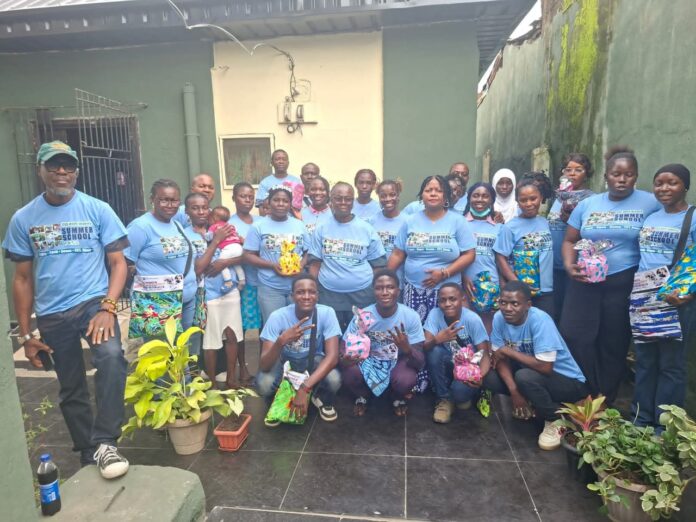
‘Drug abuse devastating our youth,’ CEE-HOPE warns, rolls out skills, leadership drive at summer school
The Centre for Children’s Health, Education, Orientation and Protection, CEE-HOPE, has commenced its 2026 Summer School programme across eight centres in Lagos, Ogun, Benue and the Federal Capital Territory, warning that drug abuse among young people has reached alarming levels.
Executive Director of CEE-HOPE, Betty Abah, said on Saturday that the free two-week programme was designed to keep young people positively engaged during the long vacation while equipping them with practical skills, mentorship and leadership capacity.
Speaking to journalists, staff, volunteers and centre coordinators at the Nnimmo Bassey Hall within CEE-HOPE’s headquarters in Lagos, Abah said this year’s edition was deliberately structured around mentorship, skills training and leadership development, rather than conventional academic classes.
“Unlike past years, Summer School 2026 is centred around mentorship, skills training, leadership and building tomorrow’s leaders,” she said.
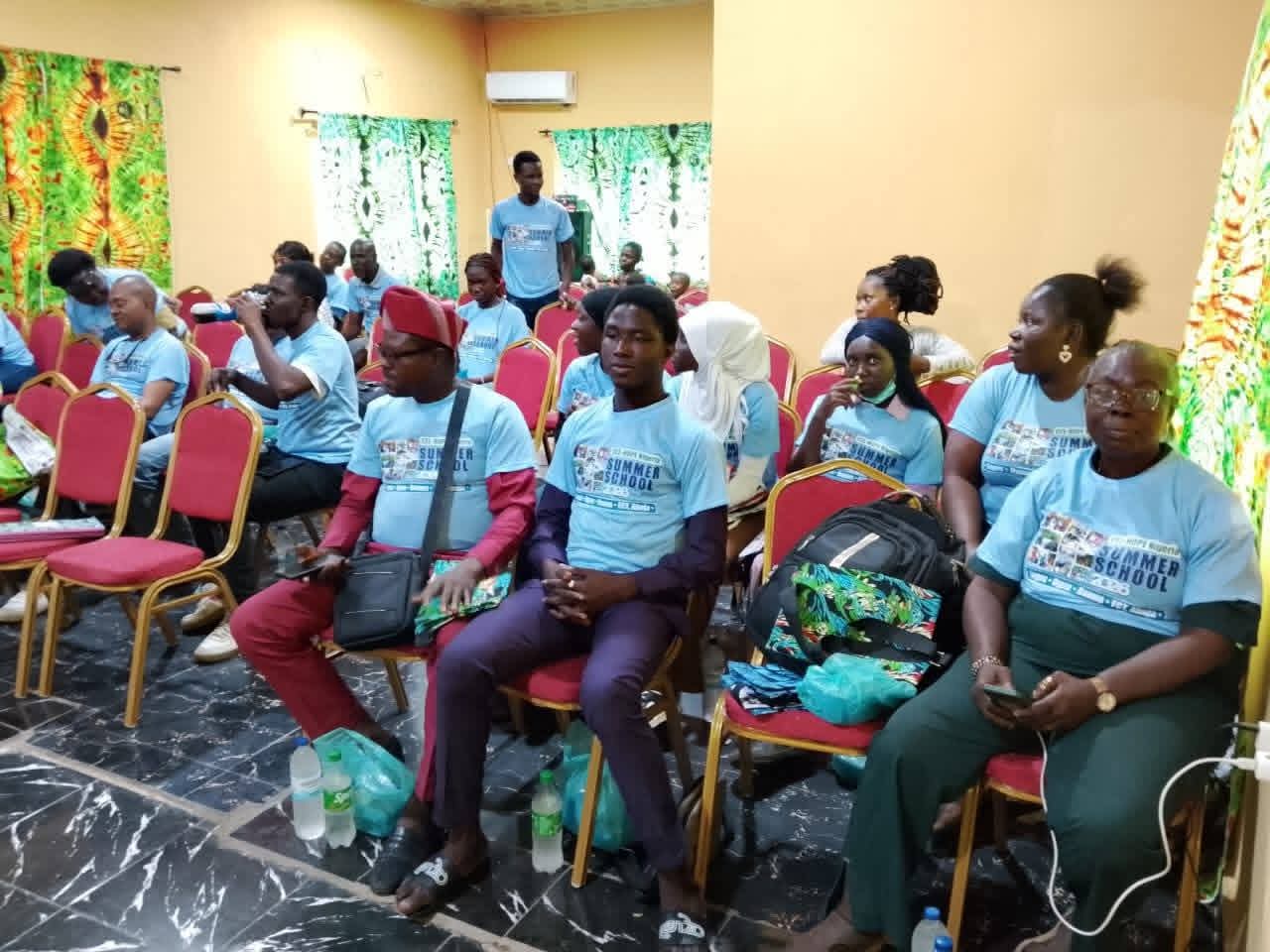
She added that the 2026 edition would focus mainly on secondary school students, noting that teenagers are more likely to be focused and better able to comprehend and apply the skills.
The programme, supported by the organisation’s friends, Mal and Carol, is expected to reach an estimated 3,000 students across the eight centres.
Abah expressed concern over rising behavioural challenges among youth, describing drug abuse as a major problem requiring urgent attention.
“The vices among the youths, especially drug abuse, the summer school will also focus on youths’ behavioural patterns,” she said.
She said resource persons would speak to students on drug use and its consequences, youth leadership, and children’s rights and protection. Civic education and digital literacy will also be taught at all centres.
According to her, substance abuse is becoming increasingly visible across the country and could have devastating effects on young people whose physical and mental development is still ongoing.
Abah noted that the easy availability and low cost of some illicit substances have created a cycle where some young people engage in menial jobs just to sustain their drug habits.
She stressed the need for preventive education, mentorship and positive engagement to protect young people from substance abuse.
“Nigeria needs to pay greater attention to the development of young people, who constitute about 70% of the population, by providing opportunities to acquire useful skills, participate in physical activities and receive guidance from positive role models,” she said.
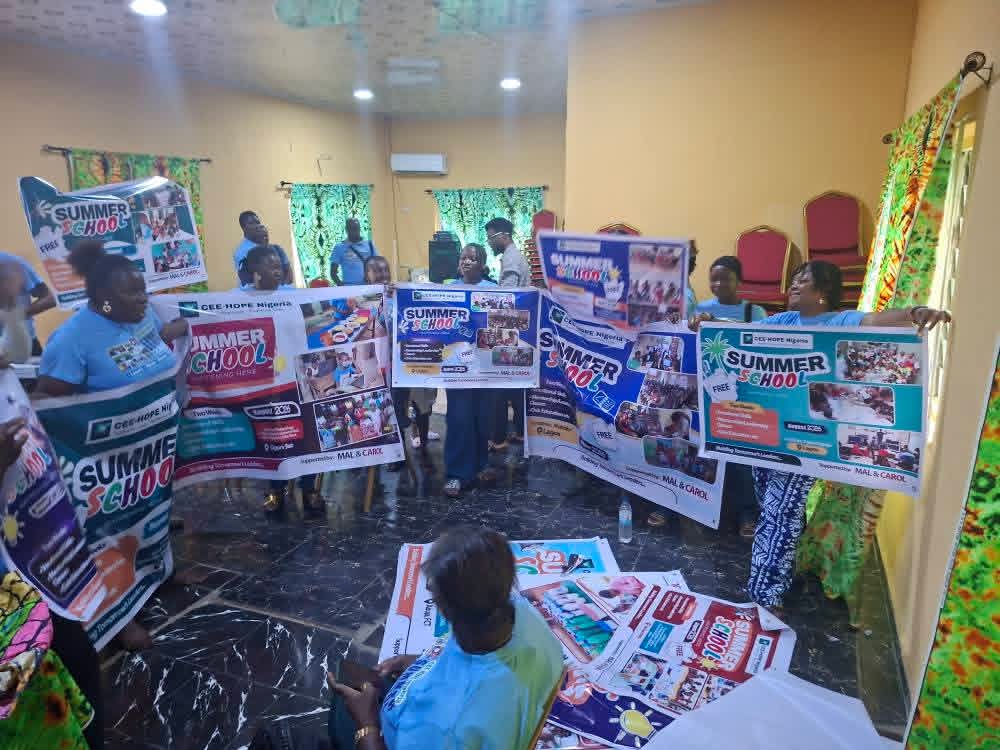
“Look at what is happening in other countries. In China, for instance, children in school are exposed to skills and physical exercise from a very young age. We also need to ensure that our young people have opportunities that develop their minds and bodies,” she added.
Abah said the emphasis on skills, mentorship and leadership was aimed at helping young people make better choices. She noted that academic brilliance alone was not enough to prepare them for adulthood.
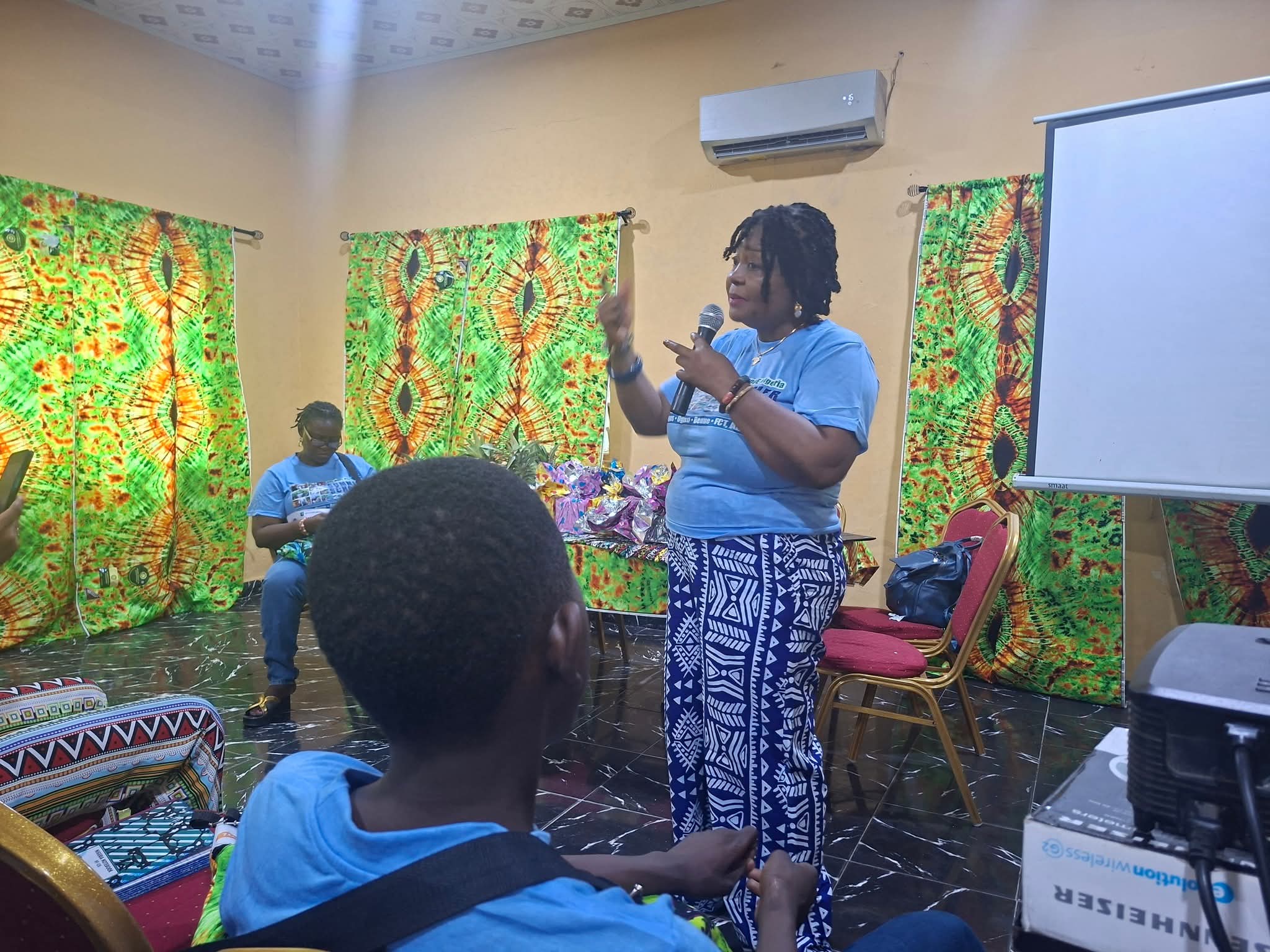
“The programme will provide opportunities for personal development, talent discovery, skills acquisition and interaction with mentors,” she said.
CEE-HOPE hopes the initiative will help young people build resilience, develop positive behavioural patterns and prepare for responsible leadership in their communities.
Now in its 11th year, the annual summer school attracts thousands of schoolchildren for two weeks during the long holiday. Previous editions have been held simultaneously in six to 10 states.
This year’s centres include four in Lagos, two in Abuja FCT, one in Ogun and one in Benue. Skills to be taught, depending on the centre, include computer training/ICT, catering and confectionery, barbering, bag making, cosmetology, soap making, and tie and dye.
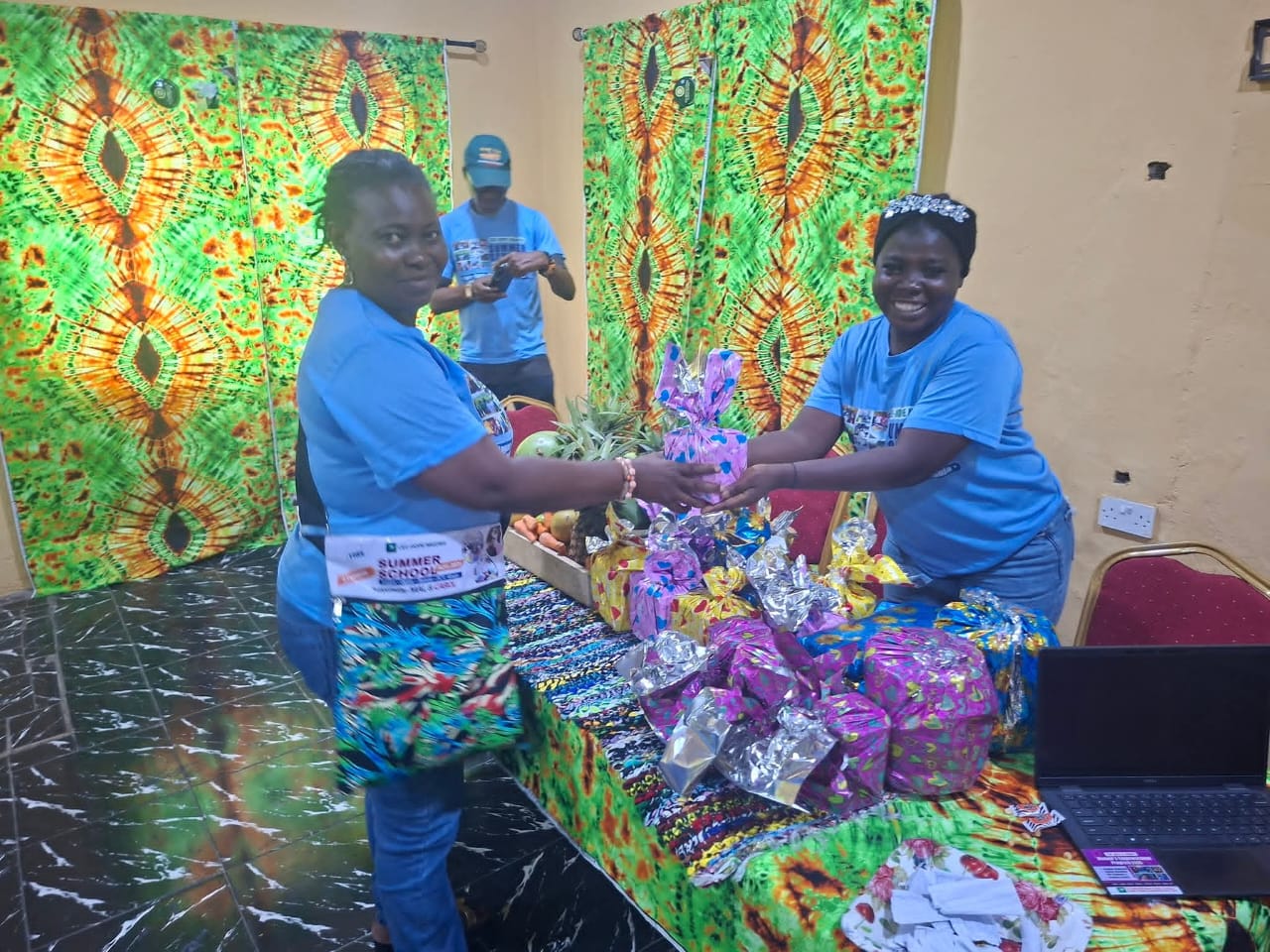
The flag-off event also brought together long-term volunteers and community representatives from Lagos informal settlements including Makoko, Monkey Village in Opebi, Irede Island and Ajegunle-Ikorodu. The organisation used the occasion to appreciate them with gifts and tokens.